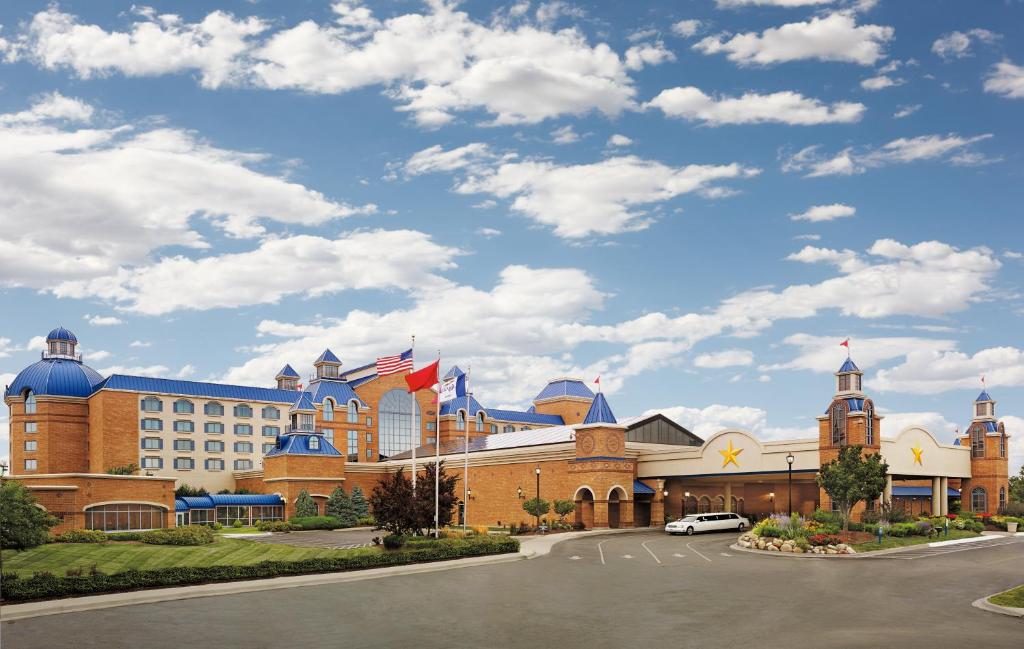
Ameristar Casino Hotel Council Bluffs
Missouri River casino hotel with gaming, dining, lodging, entertainment, and convenient access to Omaha and western Iowa.
Visit Website
Search for casinos, tribal casinos, card rooms, poker clubs, and sportsbook locations near a city, state, or ZIP code.
Search query:
Results open through external search providers because this no-API version does not maintain a live national gambling establishment database.
Major casino resorts, casino hotels, tribal casinos, sportsbooks, and destination gaming venues across the Midwest, A through H.
Missouri River casino hotel with gaming, dining, lodging, entertainment, and convenient access to Omaha and western Iowa.
Visit Website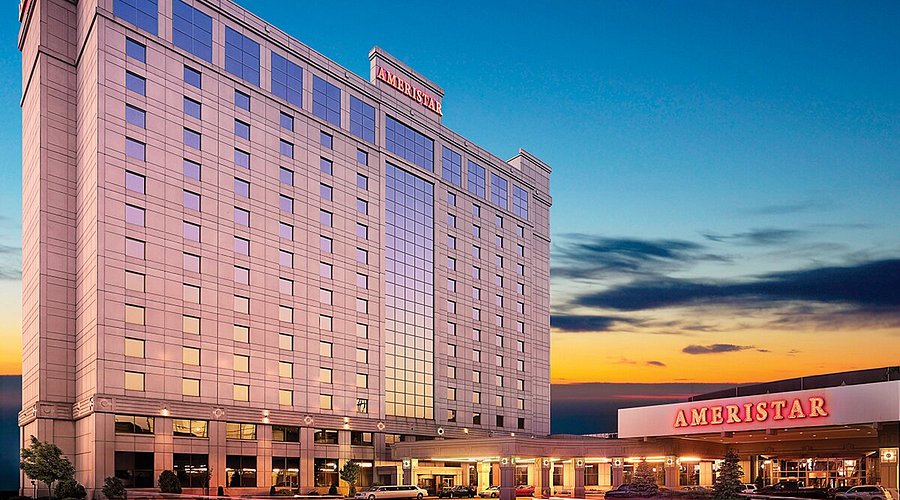
Northwest Indiana casino hotel with gaming, dining, lodging, entertainment, and easy access from the Chicago metro area.
Visit Website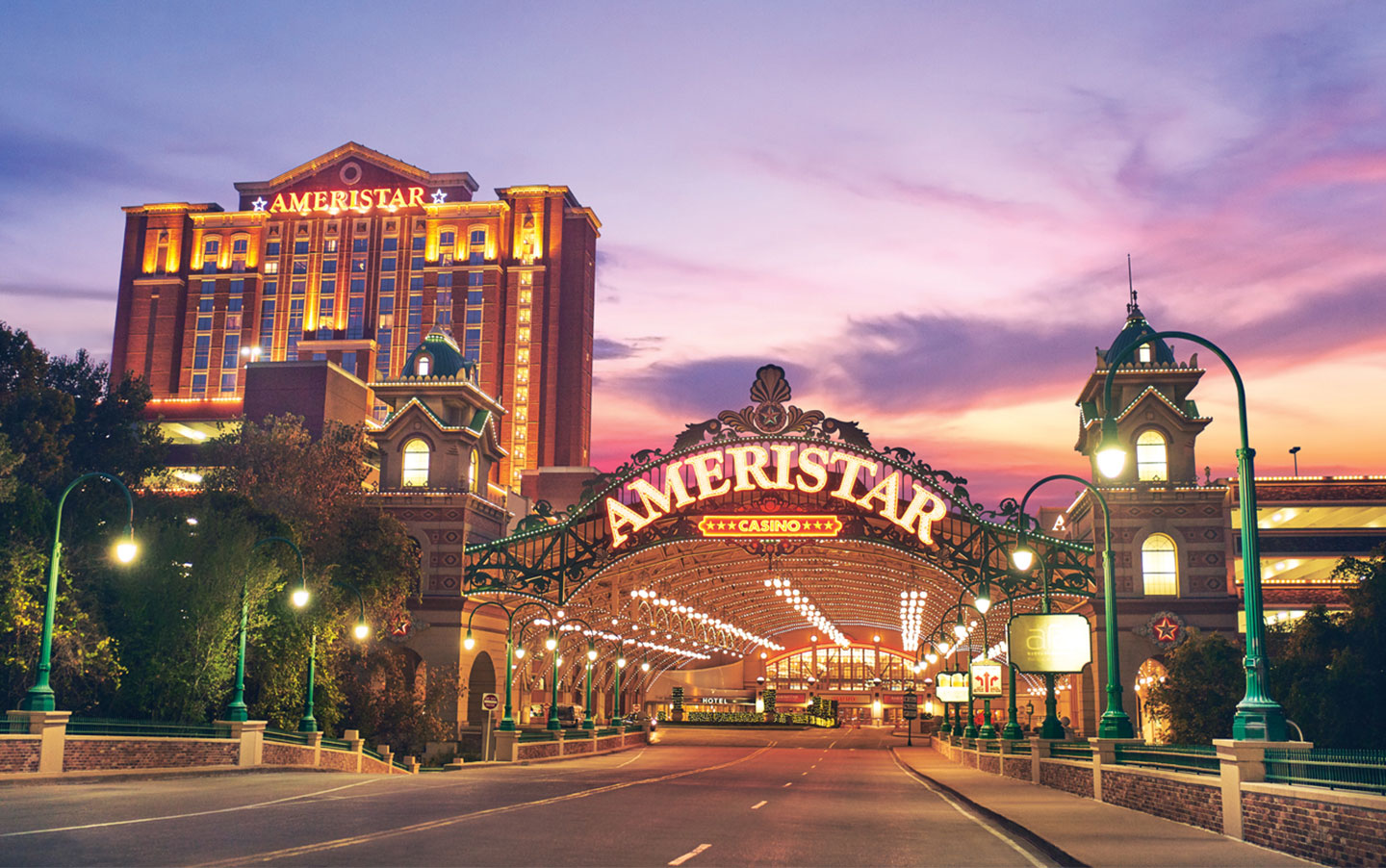
St. Louis-area resort casino with a large casino floor, luxury suite hotel, sportsbook, dining, spa, and entertainment.
Visit Website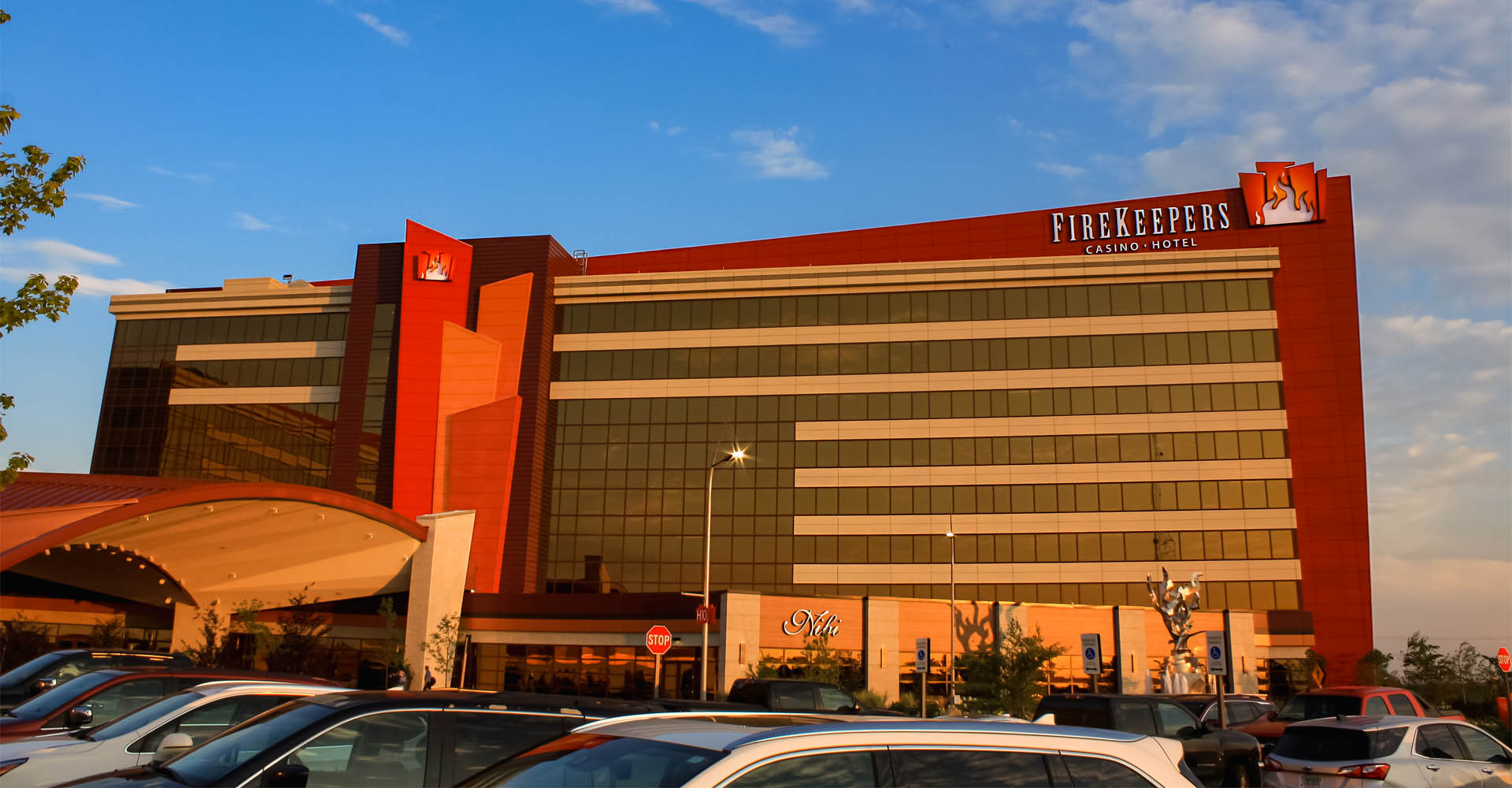
Battle Creek destination casino hotel with thousands of slots, table games, dining, entertainment, and a Four Diamond-rated hotel.
Visit Website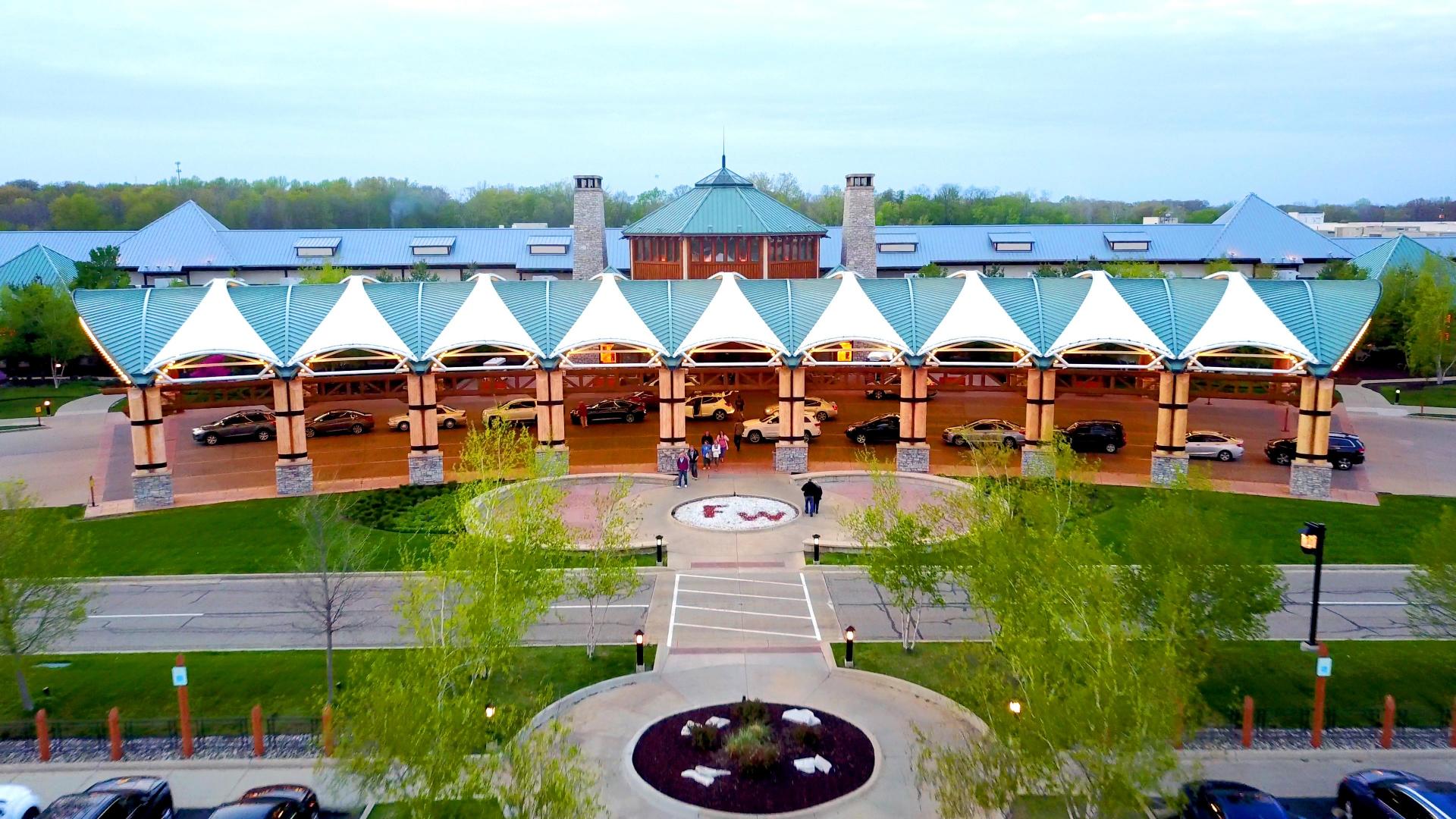
Southwest Michigan luxury casino resort with hotel rooms, gaming, dining, nightlife, entertainment, and Lake Michigan-area appeal.
Visit Website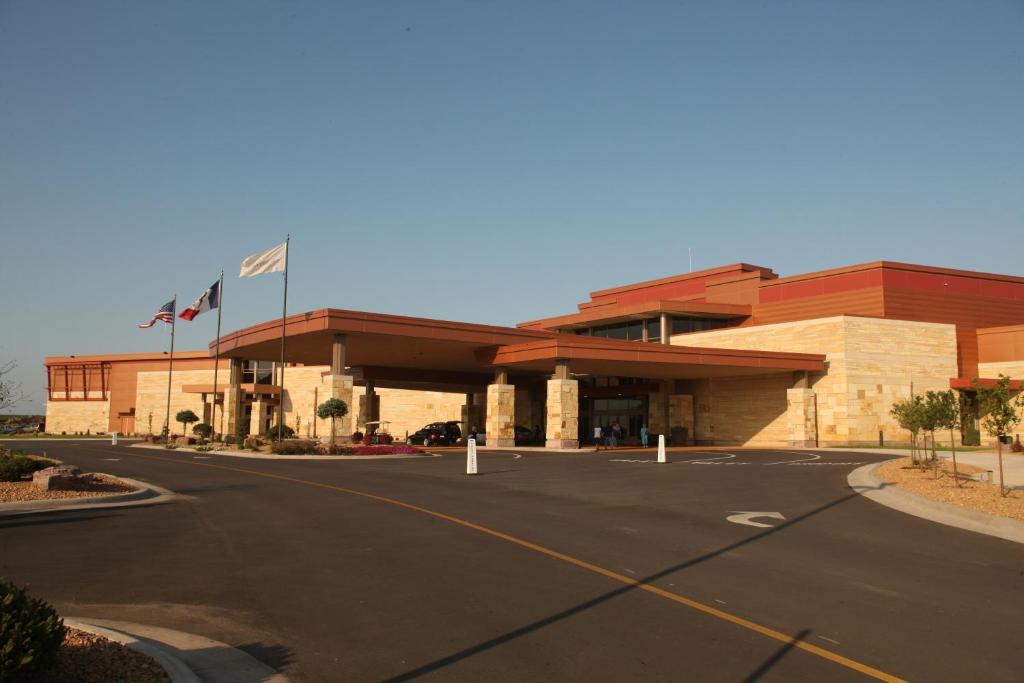
Northwest Iowa resort casino with lodging, casino gaming, golf, dining, entertainment, and regional destination-resort amenities.
Visit Website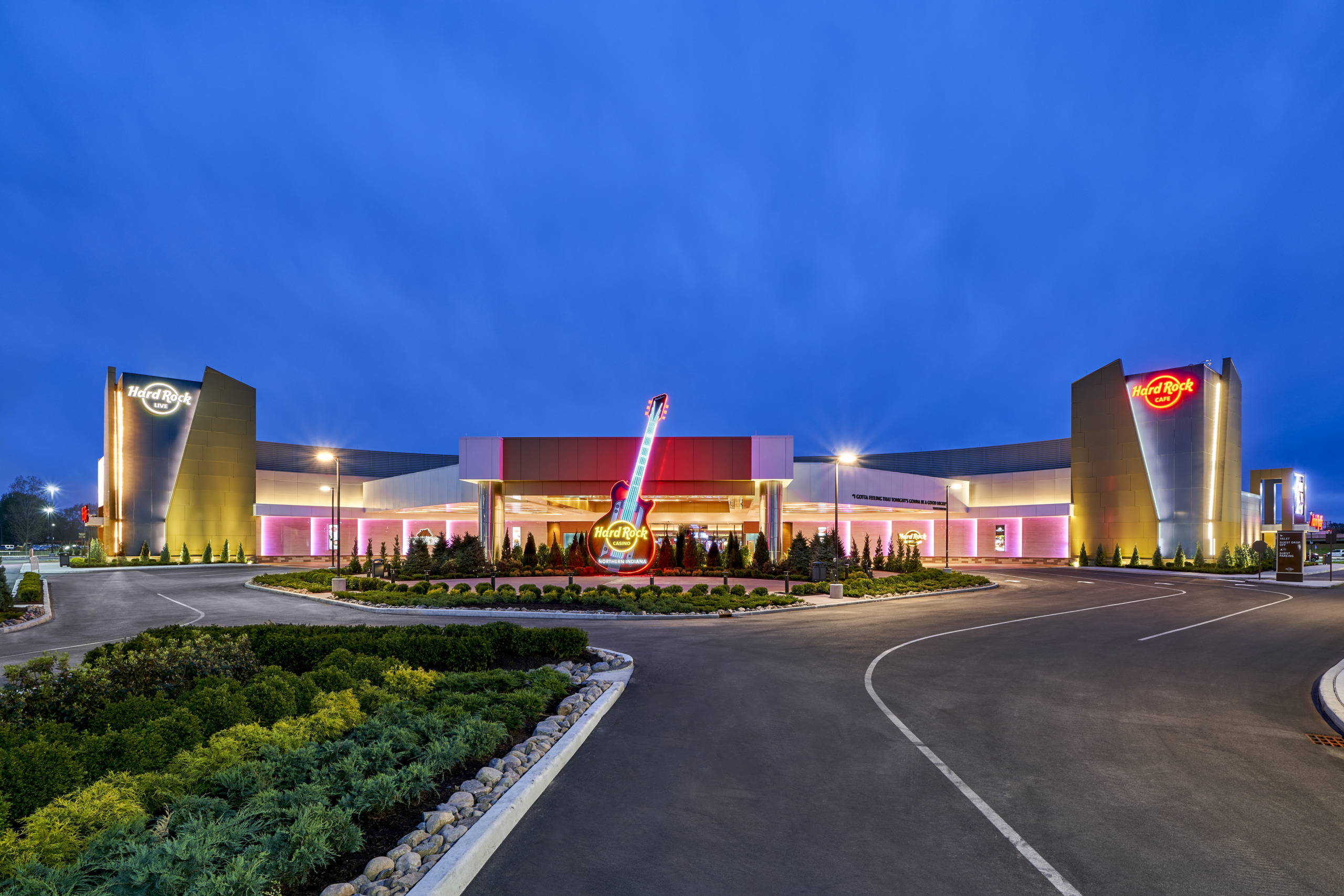
Gary casino and entertainment destination with a large gaming floor, restaurants, Hard Rock Live, and Chicago-area access.
Visit Website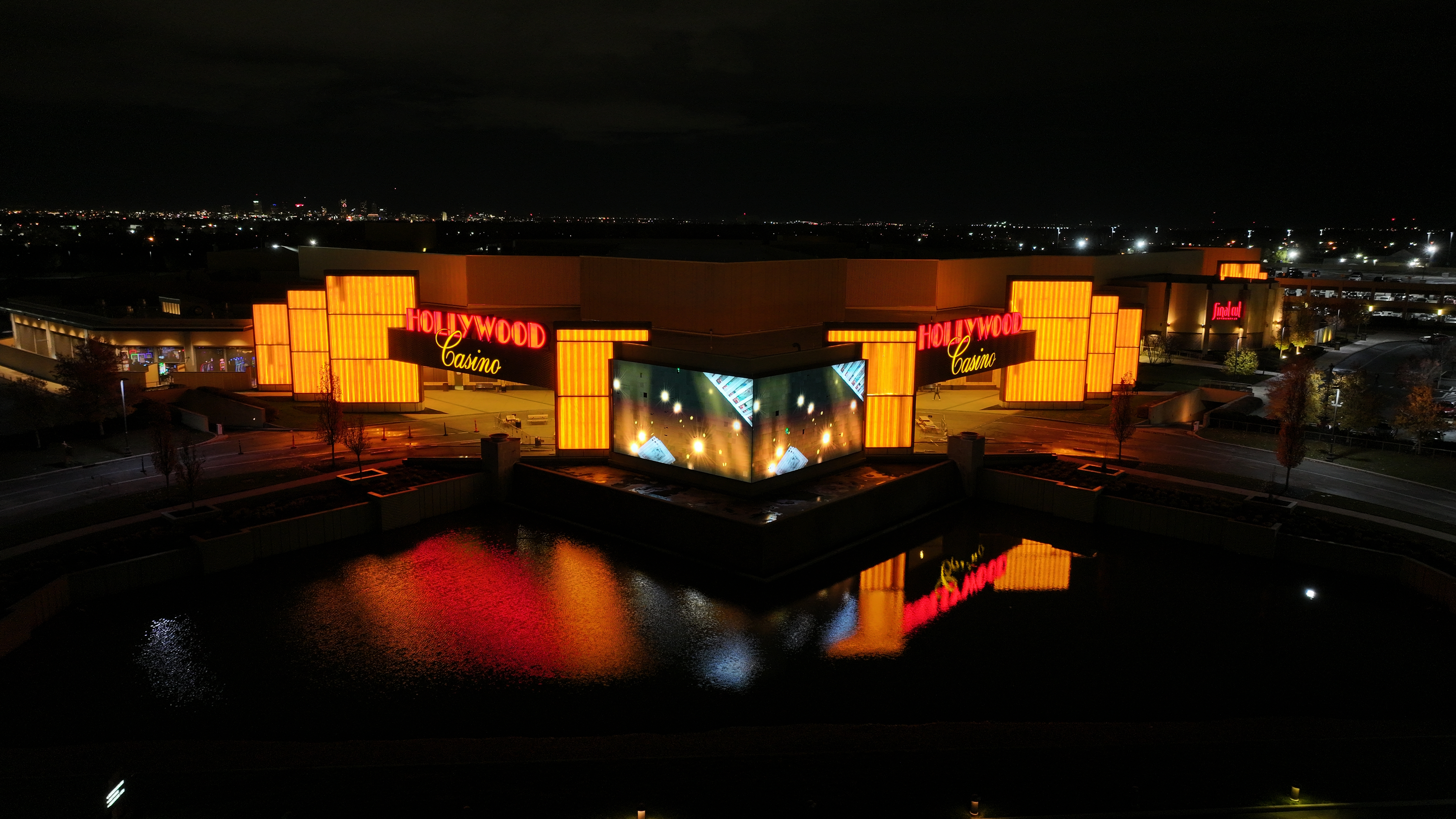
Columbus casino destination with slots, table games, poker, sportsbook amenities, dining, entertainment, and PENN Play rewards.
Visit Website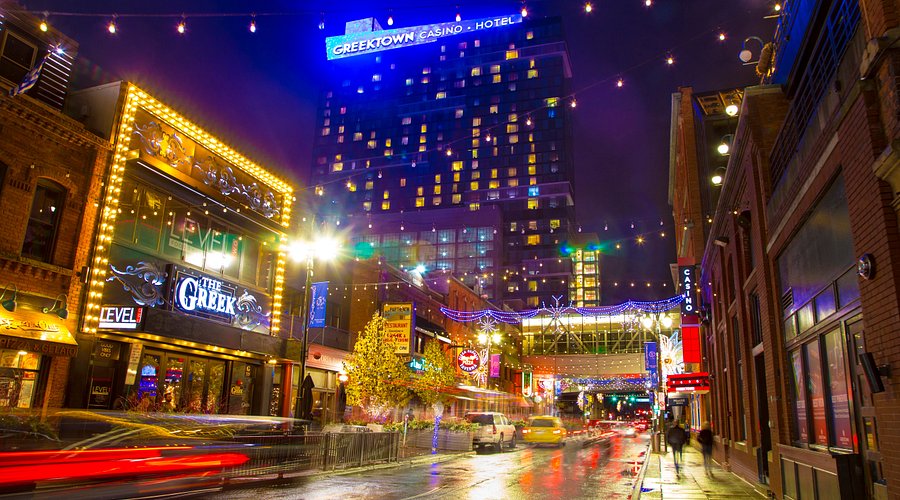
Downtown Detroit casino hotel with gaming, restaurants, nightlife, sports access, skyline views, and a central entertainment-district location.
Visit Website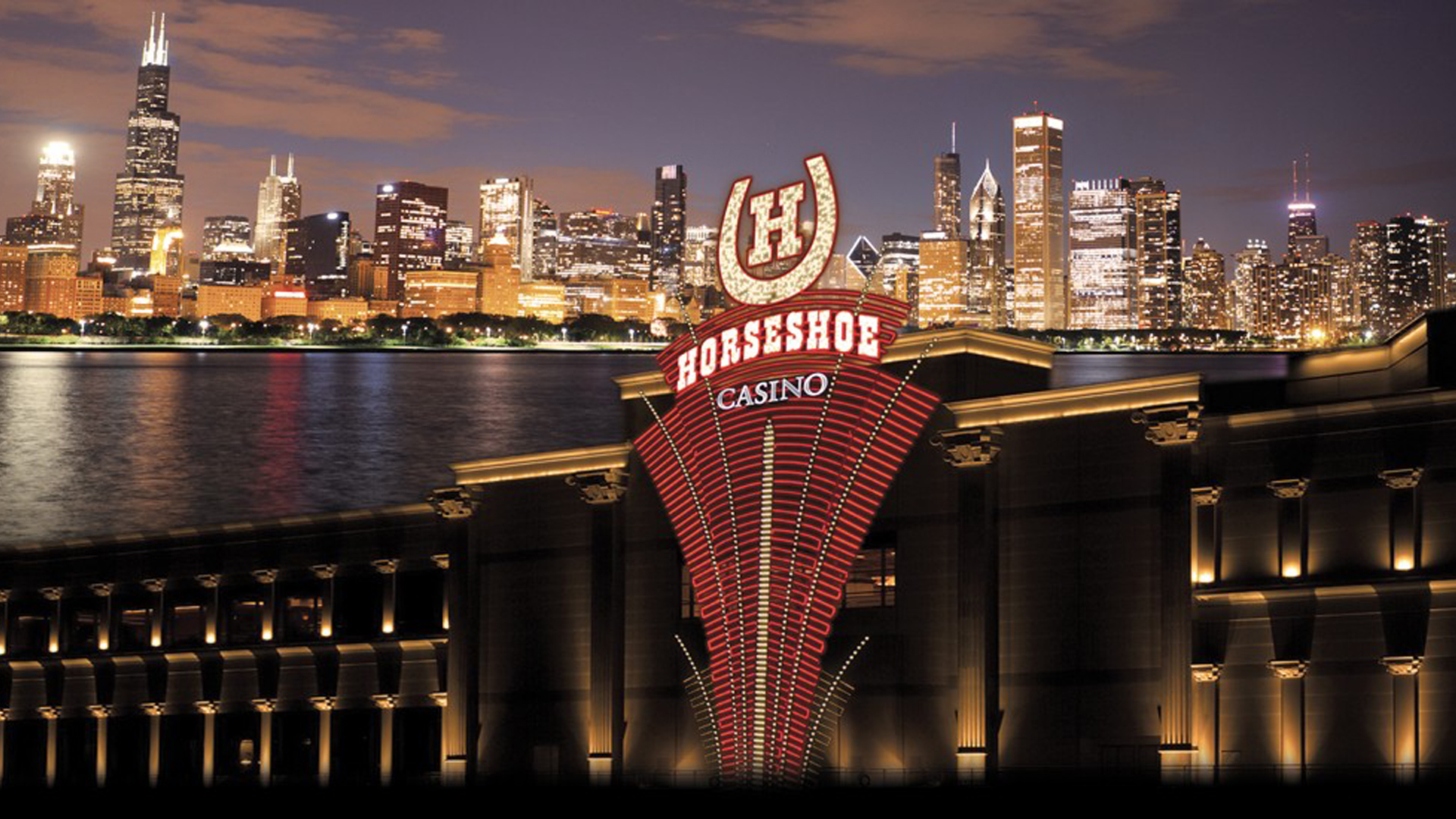
Lake Michigan casino destination near Chicago with slots, table games, poker, sportsbook, restaurants, and Caesars Rewards access.
Visit WebsiteAdditional major Midwest casino resorts, casino hotels, tribal casinos, sportsbooks, and destination gaming venues, J through T.
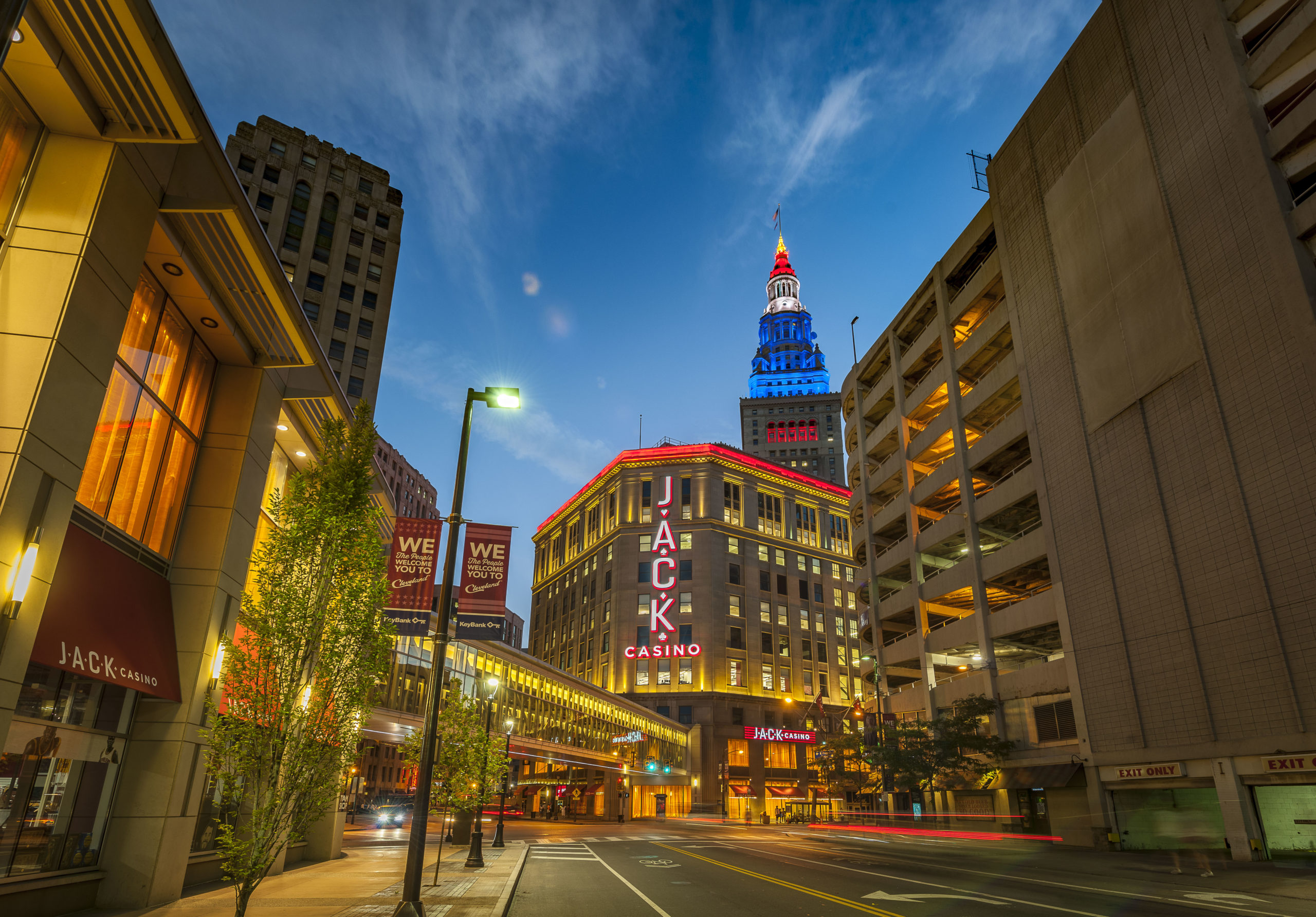
Downtown Cleveland full-service casino in the historic Higbee Building with slots, table games, poker, bars, and dining.
Visit Website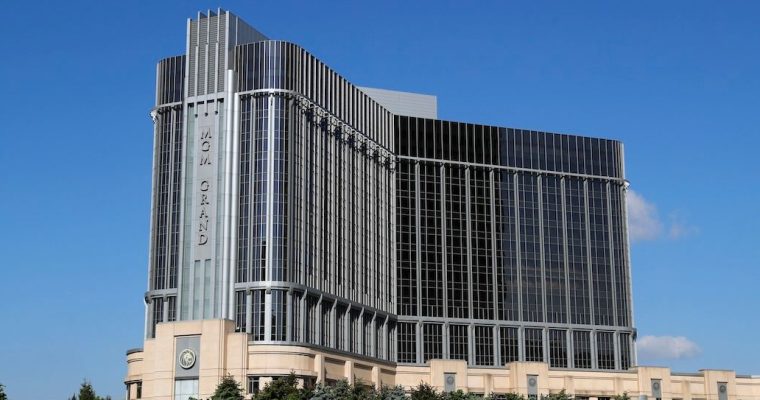
Luxury Detroit casino hotel with gaming, restaurants, spa amenities, entertainment, hotel rooms, and MGM Rewards access.
Visit Website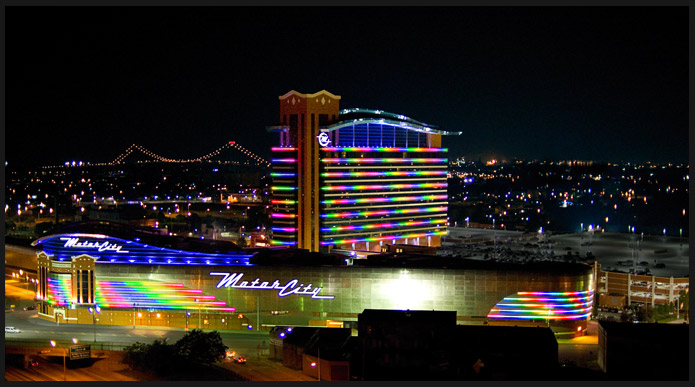
Detroit casino hotel with gaming, dining, entertainment, hotel rooms, sportsbook amenities, and a music-driven urban resort feel.
Visit Website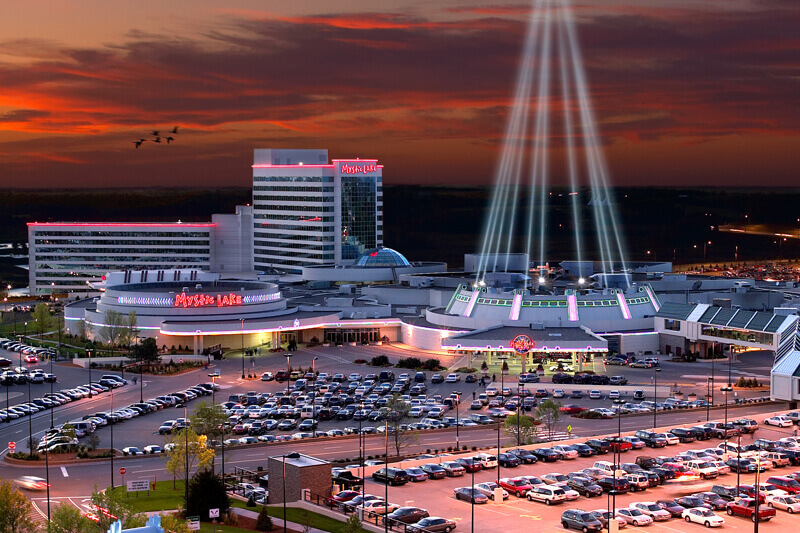
Minnesota’s largest casino resort with slots, blackjack, bingo, luxury lodging, dining, entertainment, and Twin Cities proximity.
Visit Website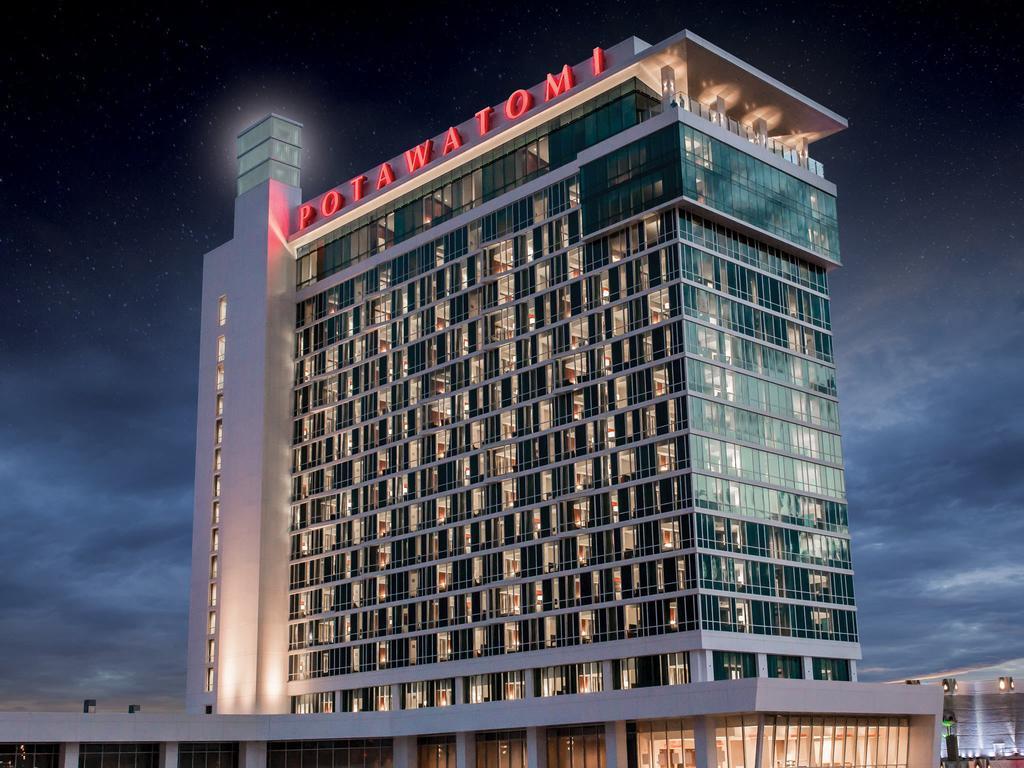
Milwaukee gaming destination with slots, bingo, table games, sports betting, dining, live music, and hotel accommodations.
Visit Website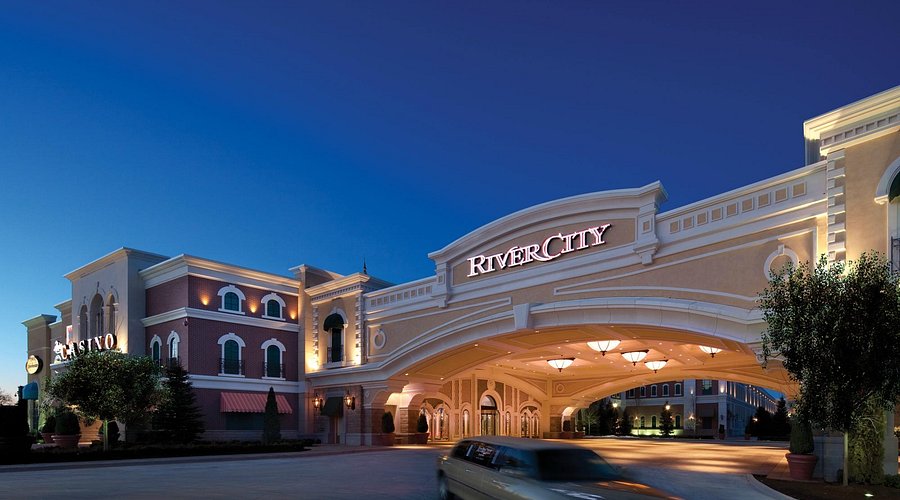
St. Louis casino hotel set along the Mississippi River with luxury lodging, gaming, dining, nightlife, and entertainment.
Visit Website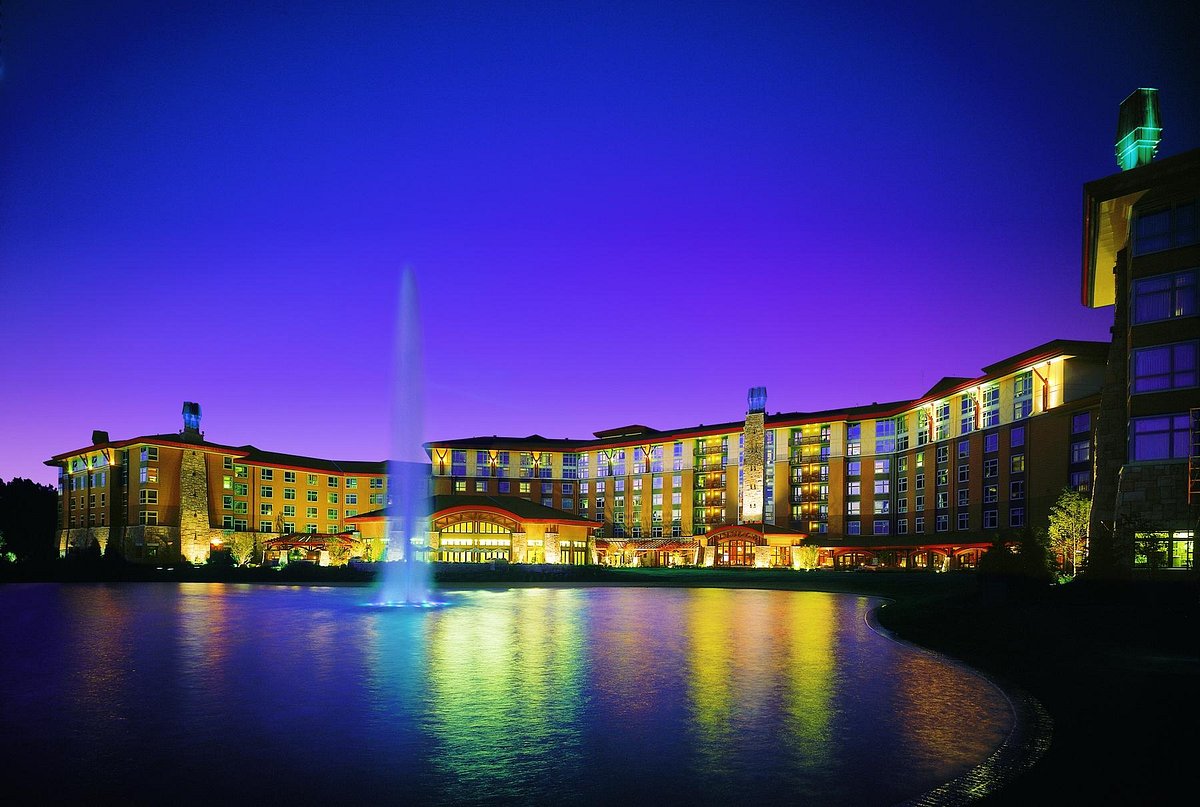
Mount Pleasant AAA Four Diamond casino resort with gaming, dining, entertainment, bingo, spa amenities, and resort lodging.
Visit Website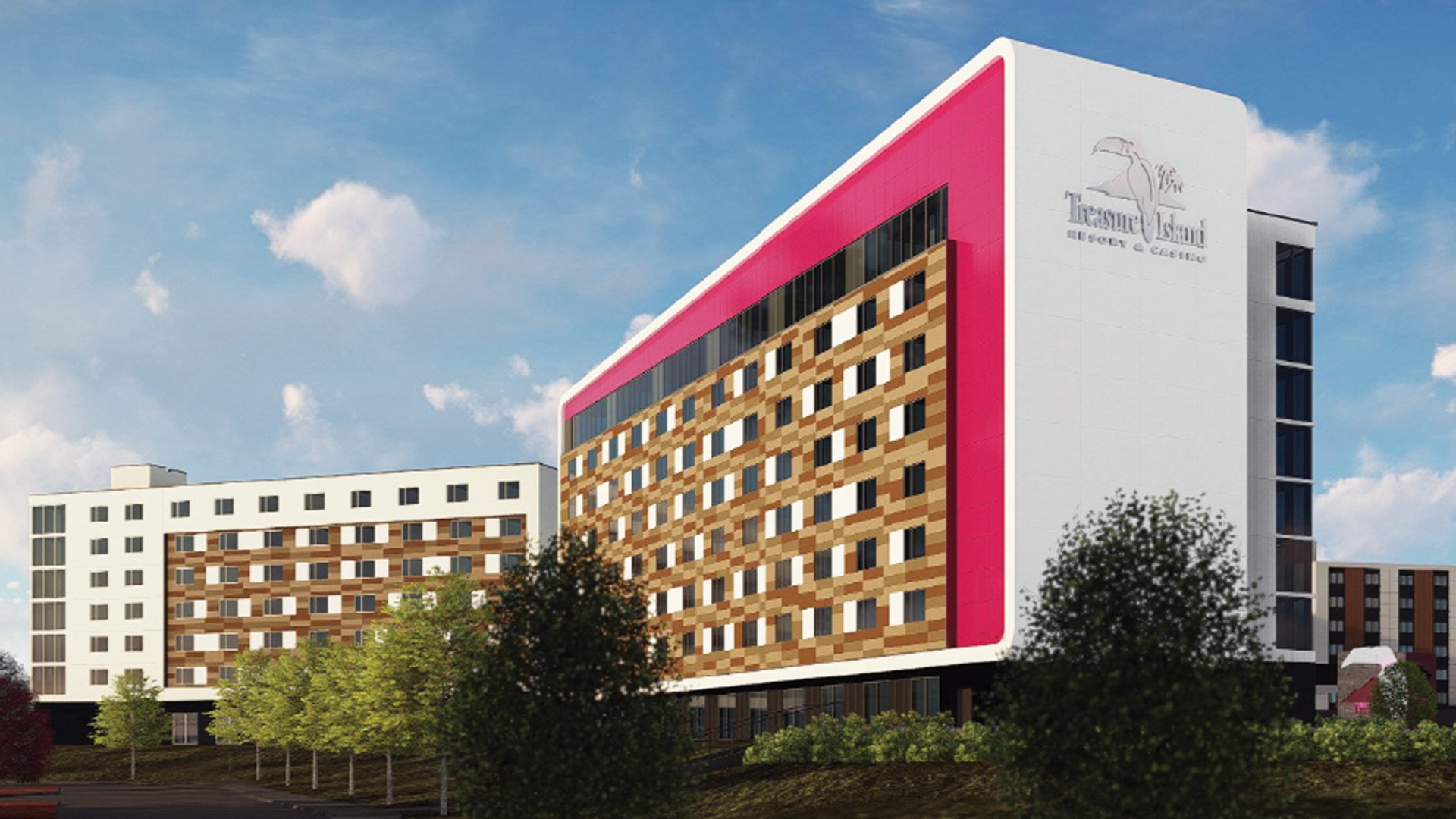
Mississippi River-area casino resort with hotel rooms, gaming, entertainment, dining, marina access, golf, and regional resort amenities.
Visit WebsiteMidwest casino gaming is one of the most varied regional gaming landscapes in the United States. Unlike Las Vegas or Atlantic City, the Midwest is not centered around one dominant casino city. Instead, casino gaming is spread across riverfront communities, urban entertainment districts, racetrack casinos, tribal gaming destinations, resort properties, and smaller regional markets.
The region includes major commercial casino states such as Illinois, Indiana, Iowa, Michigan, Missouri, Ohio, and Kansas, along with important tribal gaming markets in states such as Michigan, Wisconsin, Minnesota, North Dakota, South Dakota, Iowa, and Nebraska. This creates a broad mix of gaming experiences, from large downtown casinos and sportsbook lounges to lake-country tribal resorts and drive-in riverboat-style casinos.
Midwest casinos often serve local and regional customers rather than long-distance vacation travelers. Many guests visit for a day trip, weekend getaway, concert, restaurant meal, loyalty club promotion, sportsbook event, hotel stay, or group outing. The result is a casino market that is practical, accessible, and closely tied to local communities.
Midwest gaming has deep roots in riverboat casino laws, tribal gaming compacts, horse racing facilities, and regional economic development. Early casino expansion in states such as Iowa, Illinois, Indiana, and Missouri was often connected to riverboat gaming. Over time, many of those properties evolved into land-based casino resorts or modern entertainment complexes.
Today, the Midwest casino experience may include slot machines, video poker, table games, poker rooms at selected properties, retail sportsbooks, hotel towers, buffets or casual dining, steakhouses, entertainment venues, meeting rooms, RV parking, golf courses, spas, and loyalty programs. Some casinos focus on local play, while others market themselves as weekend resort destinations.
A defining feature of Midwest gaming is the mix of commercial and tribal casinos. Commercial casinos are licensed by state gaming agencies and are often located near cities, highways, rivers, racetracks, or entertainment districts. Tribal casinos operate under federal Indian gaming law, tribal regulation, and state-tribal compact structures where applicable.
Tribal gaming is especially important in the Upper Midwest and Great Lakes region. Many tribal casinos support tribal government services, employment, infrastructure, cultural programs, and regional tourism. In some rural areas, a tribal casino resort may be one of the most important hospitality and entertainment anchors in the local economy.
Midwest casinos benefit from accessibility. Many properties are located within driving distance of major population centers such as Chicago, Detroit, Cleveland, Cincinnati, Columbus, St. Louis, Kansas City, Indianapolis, Milwaukee, Minneapolis-St. Paul, Des Moines, Omaha, and Sioux Falls.
The region also offers variety. Visitors can choose urban casinos, riverfront casinos, lake-country tribal resorts, racinos, resort-style properties, historic river towns, and entertainment-focused gaming venues. This variety allows guests to match a casino trip to their budget, travel distance, preferred games, hotel needs, and dining or entertainment interests.
The Midwest casino market is highly competitive. Casinos often compete across state lines for the same customers, especially near metropolitan areas and border regions. A casino in Indiana, Illinois, Michigan, Ohio, Iowa, or Missouri may be competing not only with nearby properties in the same state, but also with casinos in neighboring states.
Other challenges include aging facilities, changing smoking policies, labor costs, inflation, online sports betting competition, shifting entertainment habits, and the need for continuing reinvestment. Properties that refresh hotel rooms, restaurants, casino floors, rewards programs, and entertainment calendars may have an advantage over older or less convenient competitors.
Midwest casino visitors often plan trips around convenience, value, and familiarity. Many casinos are designed for repeat guests who live within one to three hours of the property. Promotions, free-play offers, food credits, hotel discounts, concerts, senior days, and loyalty club benefits can play a major role in guest decisions.
Before visiting, guests should compare location, parking, hotel rates, resort fees, dining options, table-game minimums, sportsbook availability, poker room status, smoking policy, loyalty rewards, entertainment schedules, and whether the casino is best suited for a day trip or overnight stay.
Sports betting has become an important part of the Midwest gaming landscape, although rules vary by state. Some states allow mobile sports wagering, while others limit betting to retail sportsbooks or have different licensing structures. Online casino gaming is less widely available than sports betting and remains dependent on individual state law.
The growth of mobile wagering has changed how some customers interact with casinos. A visitor may use a casino rewards account, place mobile sports bets, visit a retail sportsbook, or attend a live sporting event watch party. At the same time, easier access to betting can increase the risk of gambling too often or spending more than planned.
Midwest casinos can contribute to employment, tourism, hospitality, construction, entertainment, restaurants, state and local tax revenue, tribal government services, and regional development. In some communities, casinos serve as major employers and help support hotels, restaurants, music venues, convention activity, and nearby small businesses.
Casino development, however, is not a complete economic solution by itself. Communities may still need investment in infrastructure, housing, public safety, workforce training, downtown development, non-gaming tourism, and small-business growth. A healthy regional economy should not depend entirely on gambling revenue.
Casino gaming should be treated as entertainment, not as a dependable way to make money. Visitors should decide in advance how much they can afford to spend, avoid gambling with money needed for bills or essentials, take breaks, and remember that casino games are designed with mathematical odds that generally favor the house over time.
Warning signs of problem gambling may include chasing losses, borrowing money to bet, hiding gambling activity, gambling longer than planned, using credit to keep playing, or feeling anxious when trying to stop. Anyone experiencing those warning signs should consider responsible gambling tools, self-exclusion programs, counseling services, or trusted support networks.
Overall, Midwest casinos offer a practical and diverse regional gaming experience. The region’s strengths include accessibility, variety, strong drive-in markets, tribal gaming destinations, commercial casino networks, entertainment venues, and growing sportsbook options. Its concerns include intense competition, gambling addiction risks, uneven state rules, aging properties, and the need for continued reinvestment. For informed visitors using reasonable limits, Midwest casino gaming can provide a broad range of entertainment choices across many different states and communities.