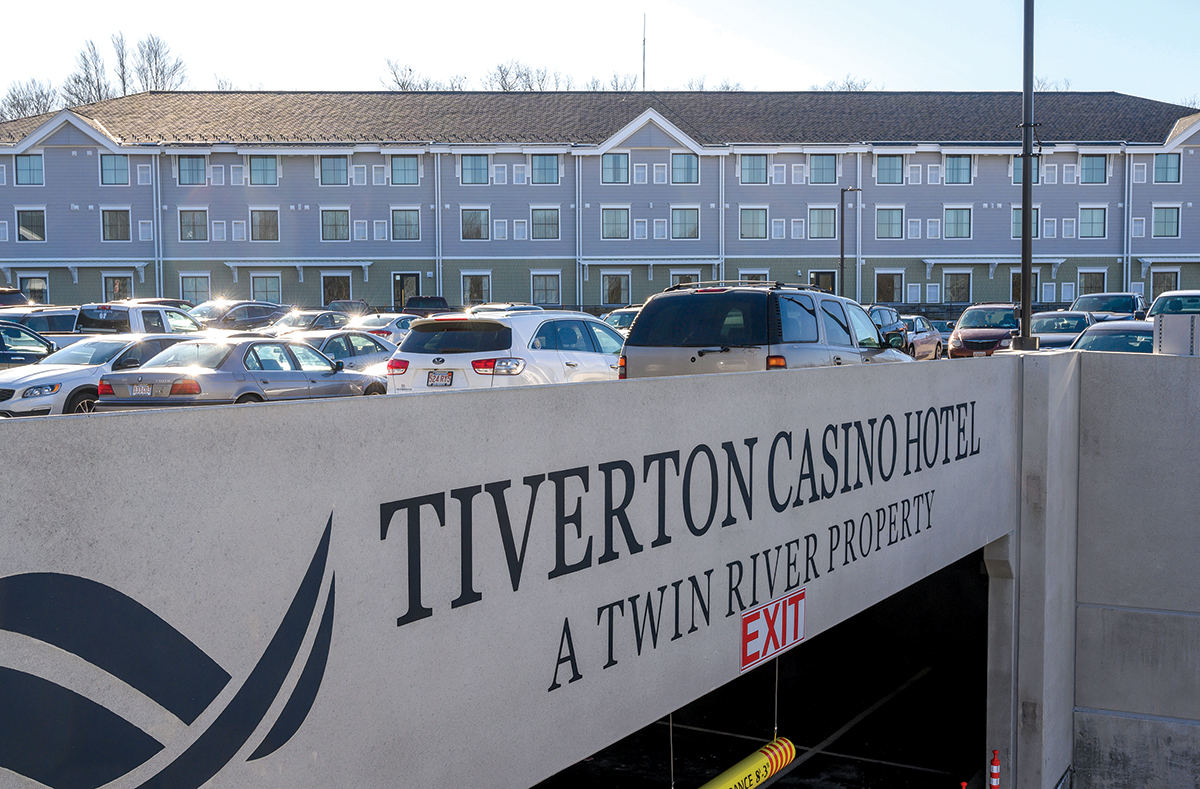
Bally’s Tiverton Casino & Hotel
East Bay Rhode Island casino hotel with slots, table games, sportsbook action, dining, entertainment, and convenient regional access.
Visit Website
Search for casinos, tribal casinos, card rooms, poker clubs, and sportsbook locations near a city, state, or ZIP code.
Search query:
Results open through external search providers because this no-API version does not maintain a live national gambling establishment database.
Major casino resorts, casino hotels, racinos, sportsbooks, and leading gaming destinations across Connecticut, Maine, Massachusetts, New Hampshire, and Rhode Island.
East Bay Rhode Island casino hotel with slots, table games, sportsbook action, dining, entertainment, and convenient regional access.
Visit Website
Major Rhode Island casino resort with a large gaming floor, hotel rooms, dining, sportsbook, poker, entertainment, and Bally Rewards access.
Visit Website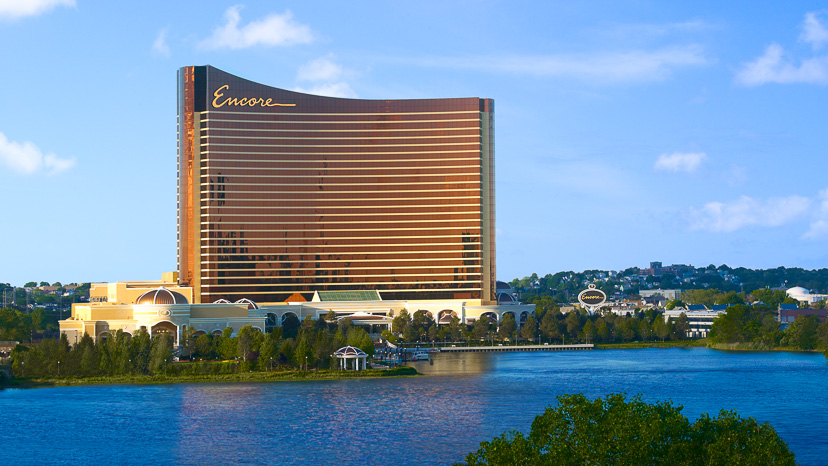
Luxury Boston-area casino resort with upscale rooms, fine dining, spa amenities, shopping, gaming, and a polished waterfront setting.
Visit Website
Massive Connecticut tribal casino resort with gaming, hotels, restaurants, entertainment, shopping, poker, bingo, and resort attractions.
Visit Website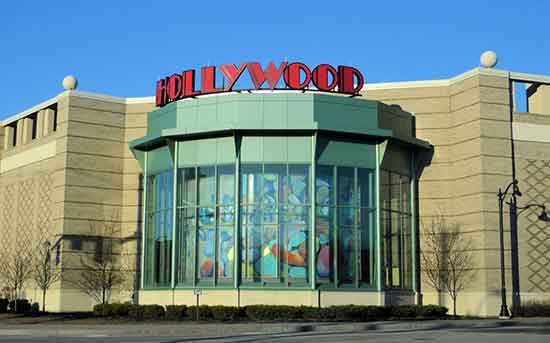
Bangor casino hotel and racetrack destination with slots, table games, hotel rooms, dining, racing, and PENN Play rewards.
Visit Website
Downtown Springfield casino hotel with slots, poker, table games, dining, entertainment, hotel rooms, and MGM Rewards access.
Visit Website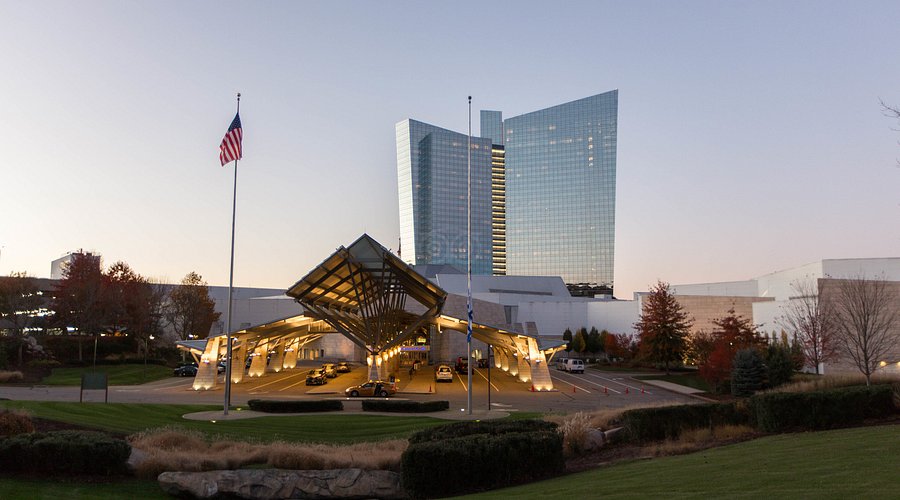
Premier Connecticut tribal casino resort with expansive gaming, luxury lodging, dining, shopping, nightlife, arena events, and resort amenities.
Visit Website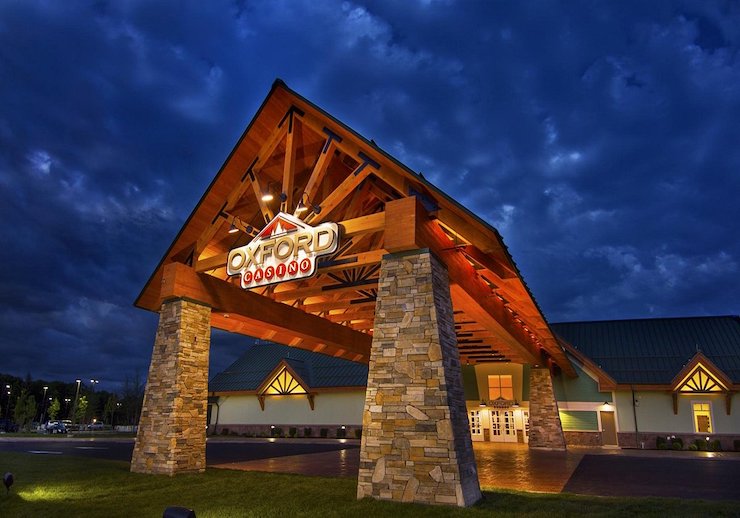
Southern Maine casino hotel with slots, table games, sportsbook action, dining, lodging, and regional gaming appeal.
Visit Website
Plainville racing and gaming destination with slots, video poker, electronic table games, dining, entertainment, and harness racing.
Visit Website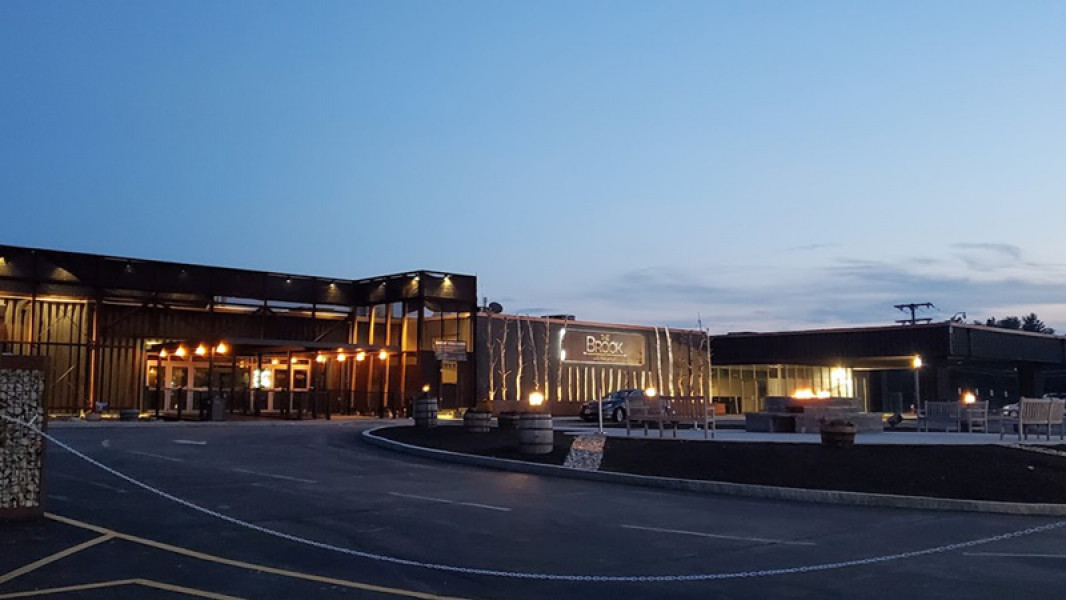
Seabrook casino and sportsbook destination with table games, poker, casino gaming, dining, entertainment, and New Hampshire gaming appeal.
Visit Website
Nashua gaming destination with gaming machines, table games, poker, sportsbook amenities, dining, and New Hampshire casino appeal.
Visit WebsiteNew England casino gaming is a compact but highly competitive regional market. Unlike Nevada, where casino gambling is deeply woven into statewide tourism, New England gaming developed through a combination of tribal casino resorts, state-regulated commercial casinos, racetrack gaming, lottery-linked gaming, and expanding sports wagering.
The region includes major casino destinations in Connecticut, Massachusetts, Rhode Island, and Maine, with additional gaming-related travel patterns influenced by nearby New York, New Jersey, and online sports betting markets. Because New England states are relatively close together, casinos often compete across state lines for the same customers.
New England casinos serve several types of visitors: local gaming customers, weekend travelers, resort guests, concertgoers, sportsbook users, restaurant patrons, group tours, convention visitors, and travelers combining casino stops with coastal, mountain, city, or historic New England tourism.
New England casino gaming is defined by variety within a relatively small geographic area. Connecticut is known for large tribal resort casinos with hotels, entertainment, restaurants, shopping, gaming floors, poker, and destination amenities. Massachusetts adds modern commercial casino resorts and a slots/racing facility serving the Boston, Springfield, and southeastern Massachusetts markets.
Rhode Island and Maine add smaller but important regional gaming markets, including casino and racino-style properties. The result is a layered casino landscape where guests can choose between large integrated resorts, urban casino entertainment, local gaming floors, racetrack-linked facilities, sportsbook lounges, and weekend casino getaways.
A defining feature of New England gaming is the presence of major tribal casino resorts in Connecticut. Tribal gaming operates under federal Indian gaming law, tribal regulation, and negotiated compact arrangements where applicable. These casinos have played a major role in shaping the region’s casino identity and tourism economy.
Commercial casinos and racino-style properties operate under state regulatory systems. Massachusetts, for example, regulates casino, horse racing, and sports wagering activity through the Massachusetts Gaming Commission. This means that casino rules, tax structures, sportsbook access, online gaming permissions, and responsible gambling programs can vary significantly from one New England state to another.
New England casinos benefit from a large and relatively compact population base. Visitors from Boston, Providence, Hartford, Worcester, Springfield, New Haven, southern New Hampshire, coastal Maine, and eastern New York may be within driving distance of multiple casino choices.
The region also offers strong tourism crossover. Casino trips can be combined with beaches, historic towns, fall foliage, ski areas, coastal drives, museums, sports events, concerts, restaurants, shopping, and convention travel. For many guests, gaming is one part of a broader New England trip rather than the only reason to visit.
New England casinos face intense competition because the region is geographically compact. A casino in Connecticut, Massachusetts, Rhode Island, or Maine may compete with properties across state lines, nearby lottery products, mobile sports betting, online gaming where allowed, entertainment venues, restaurants, and non-gaming tourism options.
The market also faces changing customer expectations. Guests may compare properties based on hotel quality, restaurant selection, sportsbook amenities, entertainment calendars, parking, loyalty rewards, smoking policy, table-game limits, and convenience. Older properties must continue reinvesting to remain competitive with newer resorts and urban casino facilities.
New England casino visitors should choose properties based on the kind of trip they want. Large resort casinos may be best for overnight stays, concerts, dining, poker, shopping, spas, and a full destination experience. Smaller regional casinos may be better for convenient day trips, slot play, sportsbook visits, casual dining, and loyalty promotions.
Before visiting, guests should compare hotel rates, resort fees, parking, driving distance, dining options, entertainment schedules, sportsbook availability, poker room status, table-game minimums, smoking rules, and player rewards. Weather and seasonal travel patterns can also matter, especially during winter, holiday weekends, summer beach traffic, and fall foliage season.
Sports betting has become an important part of New England casino and gaming activity, although rules vary by state. Some markets support retail sportsbooks inside casino properties, while others allow mobile betting or lottery-linked wagering systems. Online casino gaming remains more limited and depends on each state’s laws.
Mobile betting can make wagering more convenient, but it can also increase risk because players do not need to be physically present in a casino. Fast deposits, promotions, in-game betting, and constant access may cause some players to gamble more often or spend more than planned.
New England casinos can support employment, hotels, restaurants, concerts, conferences, tourism, construction, tax revenue, tribal government services, local suppliers, and regional transportation. In some communities, a casino resort may be one of the most important hospitality employers and a major anchor for visitor spending.
Casino development, however, is not a complete economic solution by itself. Communities may still need investment in housing, transportation, public safety, workforce training, small businesses, cultural tourism, downtown activity, and non-gaming attractions. A balanced visitor economy should not rely entirely on gambling revenue.
New England casino gaming should be treated as entertainment, not as a dependable way to make money. Visitors should set a gambling budget before they play, avoid gambling with money needed for bills or essentials, take breaks, and remember that casino games are designed with mathematical odds that generally favor the house over time.
Warning signs of problem gambling may include chasing losses, borrowing money to bet, hiding gambling activity, gambling longer than planned, using credit to continue playing, or feeling anxious when trying to stop. Anyone experiencing these warning signs should consider responsible gambling tools, self-exclusion programs, counseling services, or trusted support from family, friends, or professionals.
Overall, New England casinos offer a compact and varied regional gaming experience. The region’s strengths include major tribal resort casinos, modern commercial casinos, strong drive-in markets, sports betting options, entertainment venues, hotels, restaurants, and tourism crossover. Its concerns include intense regional competition, gambling addiction risk, uneven state rules, aging facilities, and the need for continued reinvestment. For informed visitors using realistic expectations and responsible limits, New England casino gaming can provide a broad mix of entertainment, travel, and regional character.