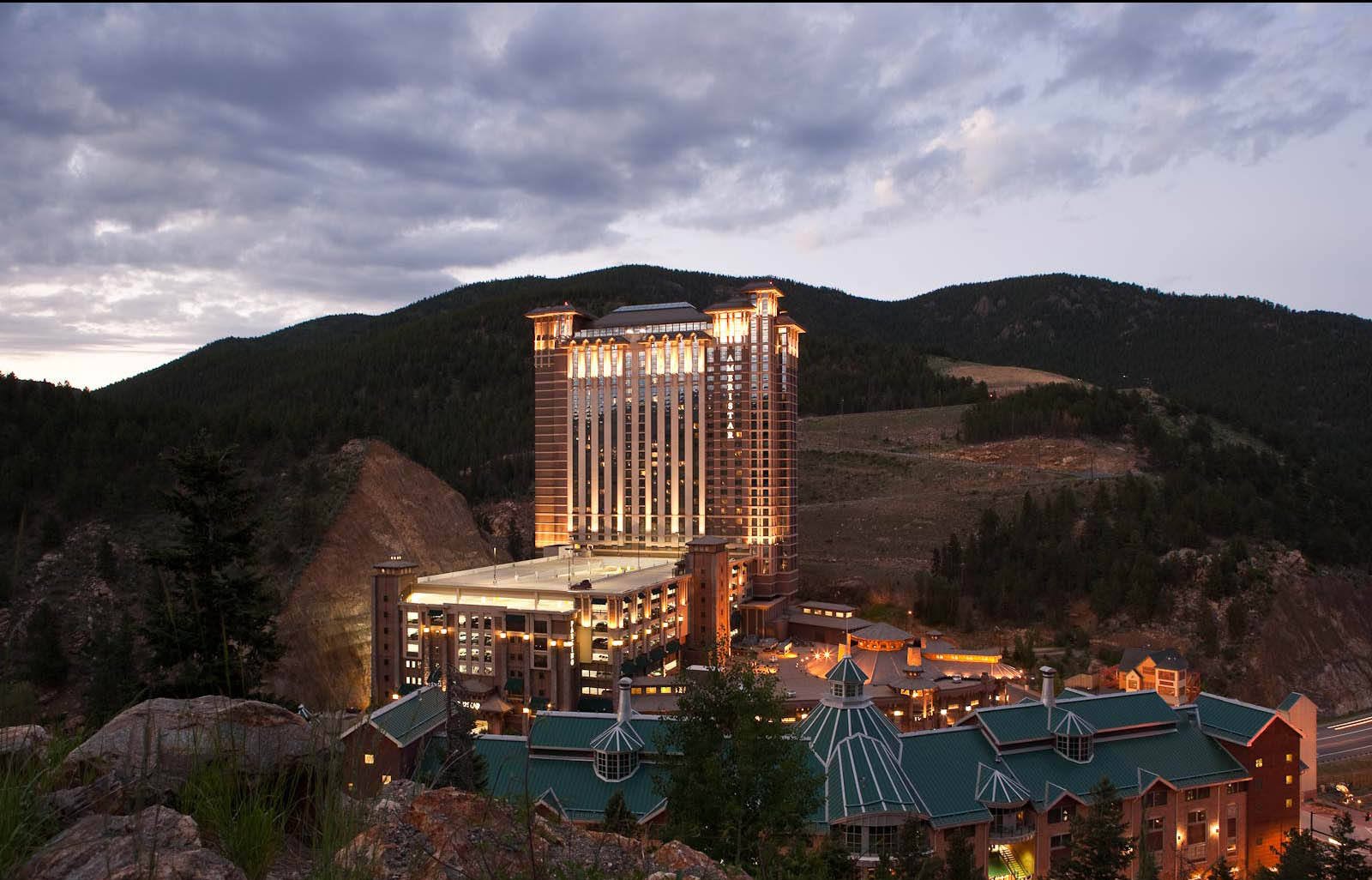
Ameristar Casino Resort Spa Black Hawk
Major Black Hawk casino resort with hotel rooms, gaming, dining, spa amenities, entertainment, and mountain-town casino appeal.
Visit Website
Search for casinos, tribal casinos, card rooms, poker clubs, and sportsbook locations near a city, state, or ZIP code.
Search query:
Results open through external search providers because this no-API version does not maintain a live national gambling establishment database.
Major casino resorts, tribal casinos, casino hotels, sportsbooks, and destination gaming venues across the Mountain West, A through H.
Major Black Hawk casino resort with hotel rooms, gaming, dining, spa amenities, entertainment, and mountain-town casino appeal.
Visit Website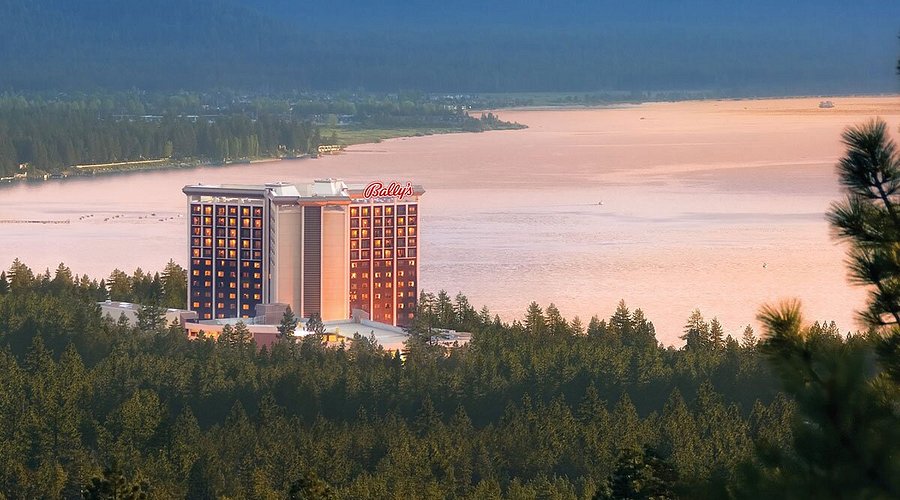
Stateline casino resort with slots, table games, dining, live entertainment, lodging, and year-round Lake Tahoe access.
Visit Website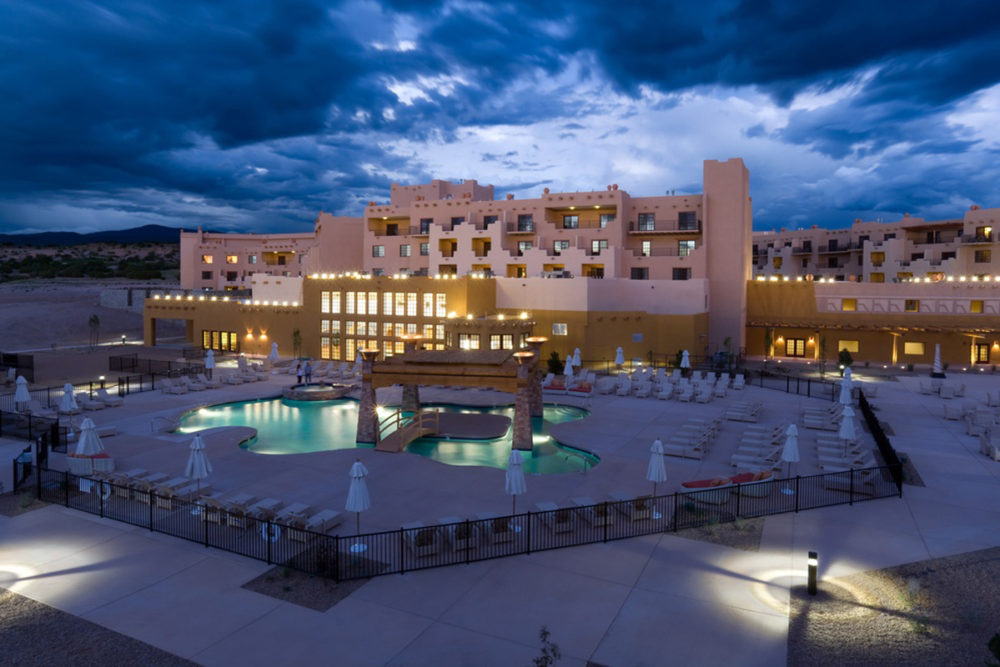
Santa Fe-area casino resort with hotel lodging, golf, pools, restaurants, spa-style amenities, and Pueblo of Pojoaque gaming.
Visit Website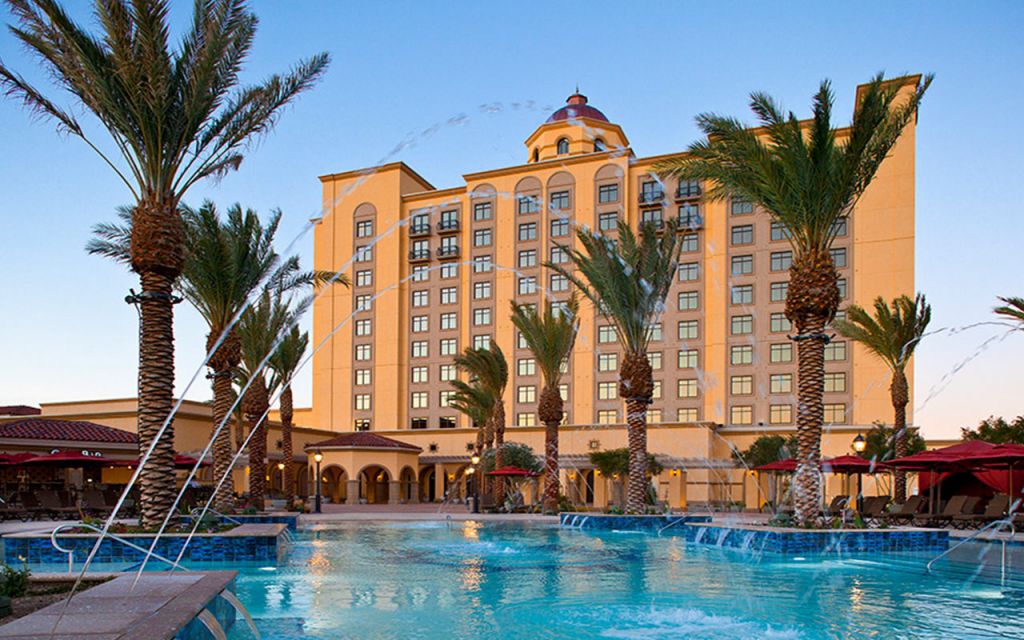
Tucson-area casino resort with hotel lodging, gaming, dining, entertainment, spa amenities, golf, and Sonoran desert resort appeal.
Visit Website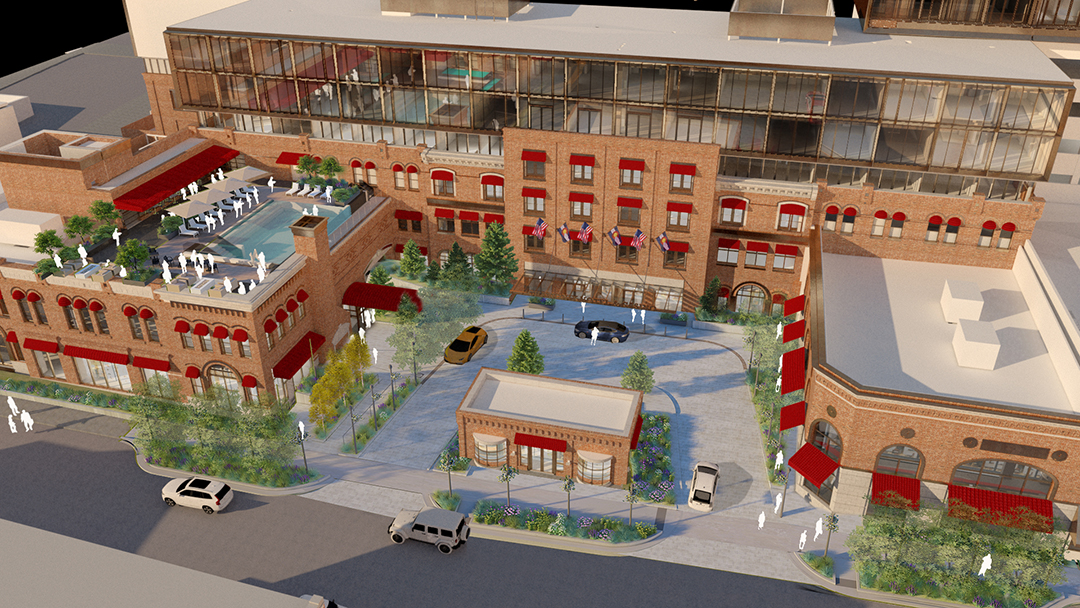
Newer Cripple Creek luxury casino hotel with modern rooms, gaming, dining, spa amenities, and mountain resort atmosphere.
Visit Website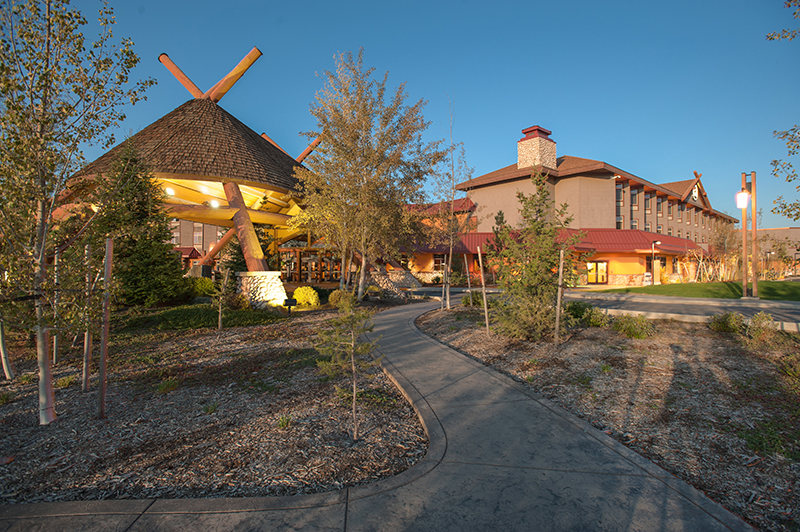
Northern Idaho destination resort with casino gaming, luxury lodging, golf, spa amenities, dining, and Inland Northwest scenery.
Visit Website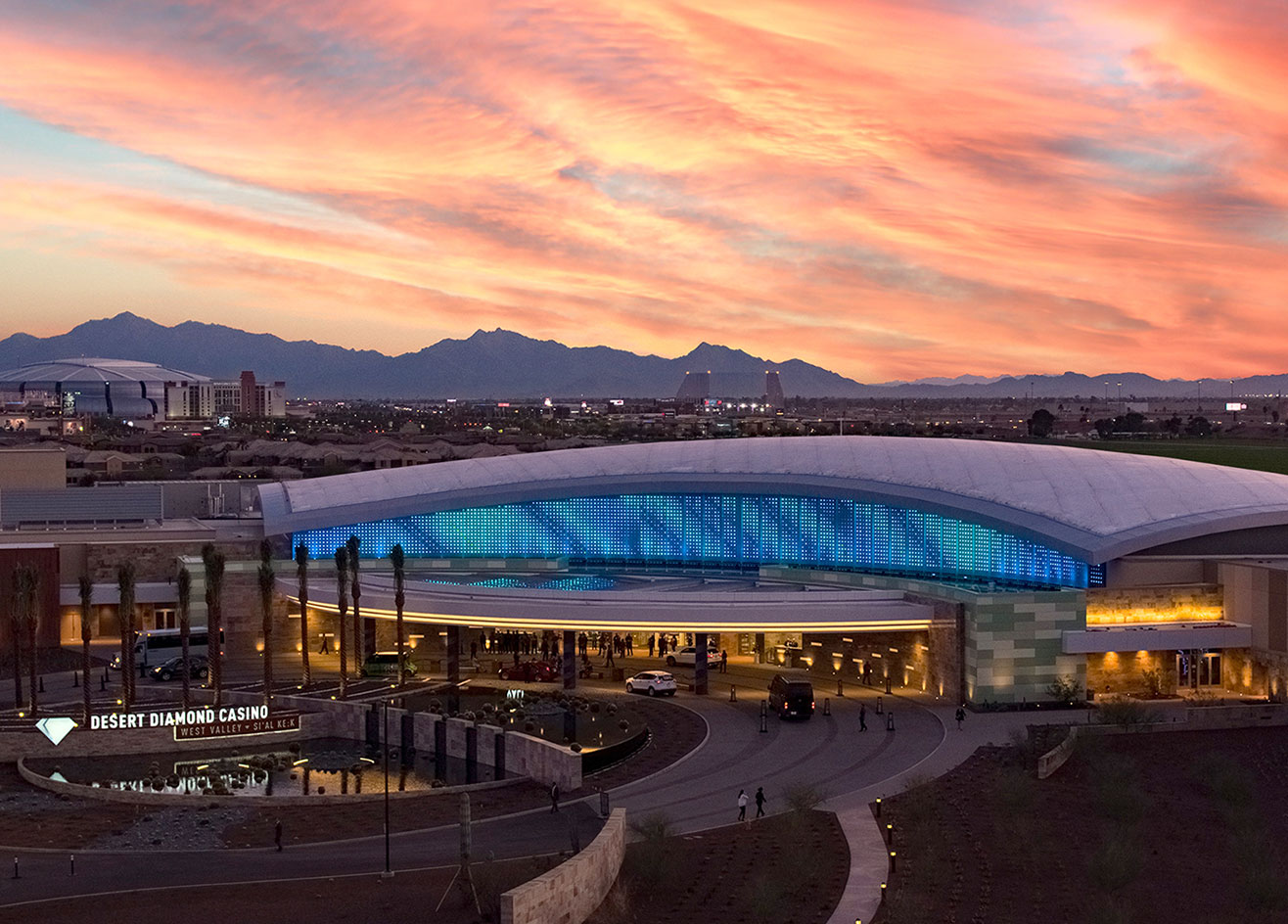
Tucson-area tribal casino hotel with gaming, restaurants, entertainment, hotel lodging, and Tohono O’odham resort appeal.
Visit Website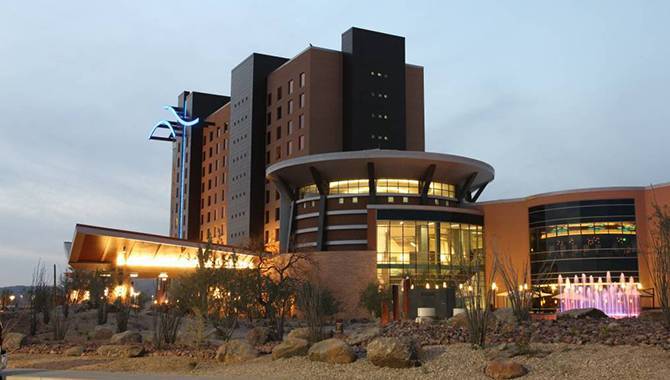
Chandler-area casino resort with gaming, hotel accommodations, dining, entertainment, golf access, and Phoenix metro convenience.
Visit Website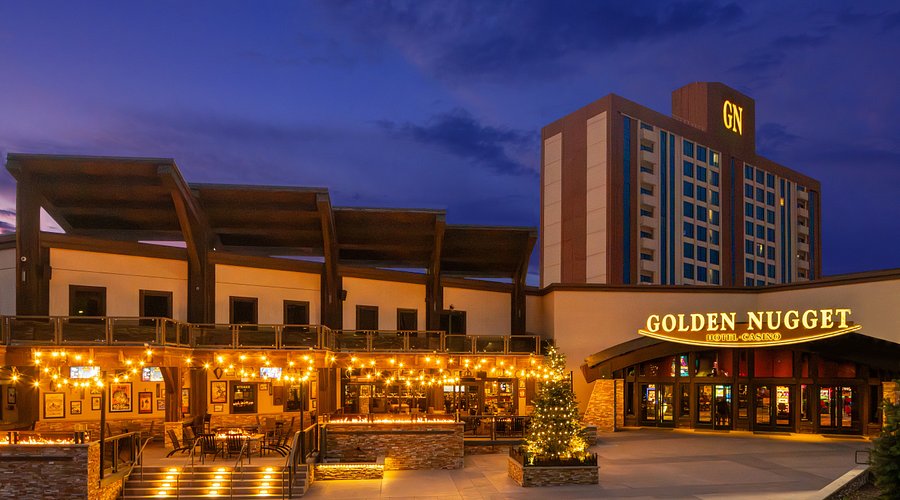
Stateline casino hotel being refreshed under the Golden Nugget brand with gaming, dining, lodging, and South Lake Tahoe access.
Visit Website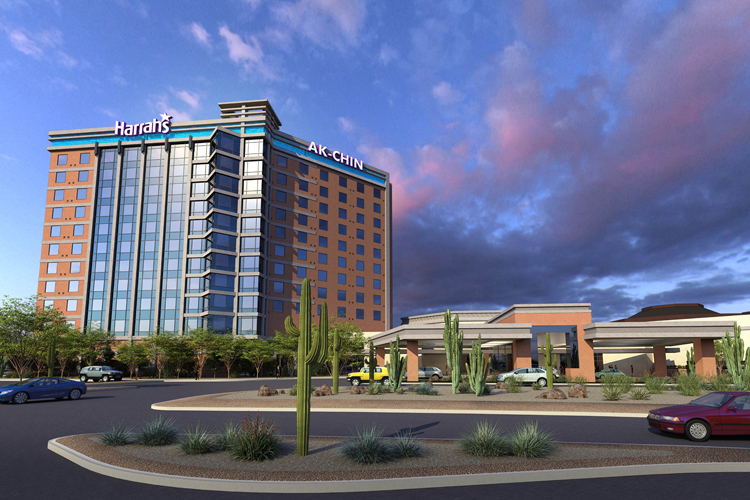
Maricopa casino hotel near Phoenix with gaming, hotel rooms, dining, entertainment, Caesars Rewards, and Ak-Chin tribal ownership.
Visit Website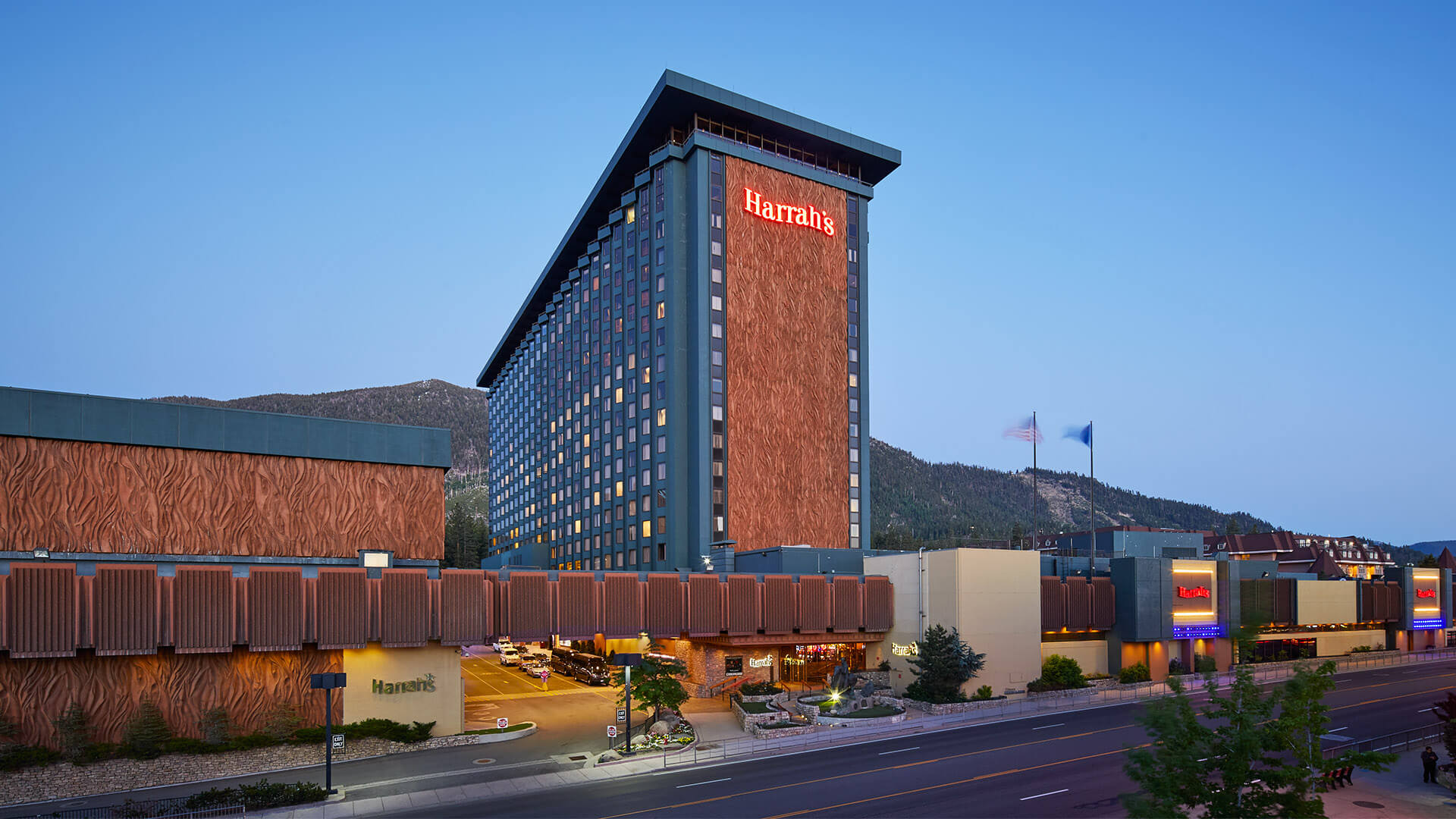
Classic Stateline casino resort with hotel rooms, casino gaming, restaurants, entertainment, and Caesars Rewards access.
Visit WebsiteAdditional major casino resorts, tribal casinos, casino hotels, sportsbooks, and destination gaming venues across the Mountain West, I through W.
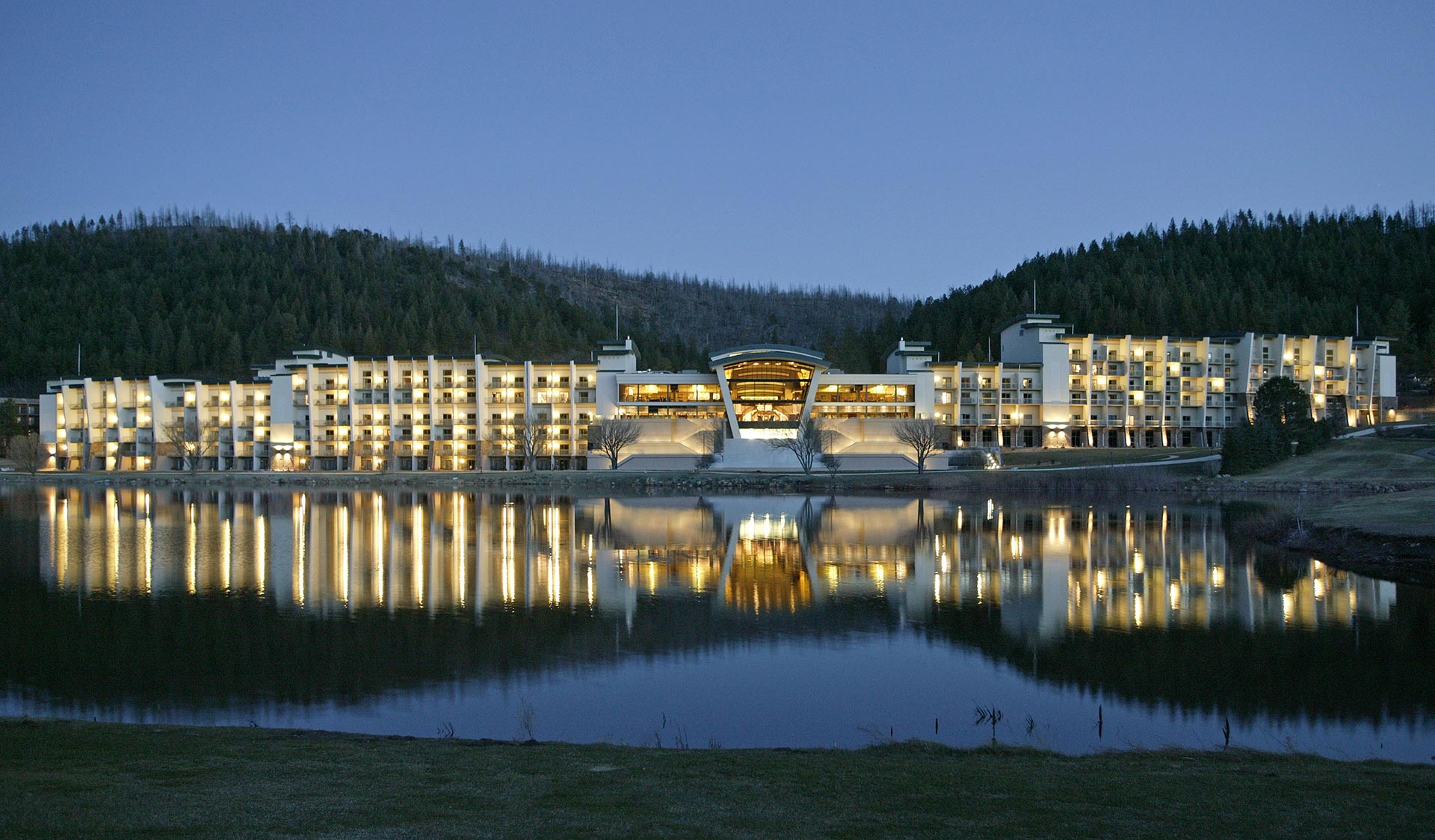
Sierra Blanca mountain casino resort with lodging, gaming, dining, golf, lake views, entertainment, and Mescalero Apache hospitality.
Visit Website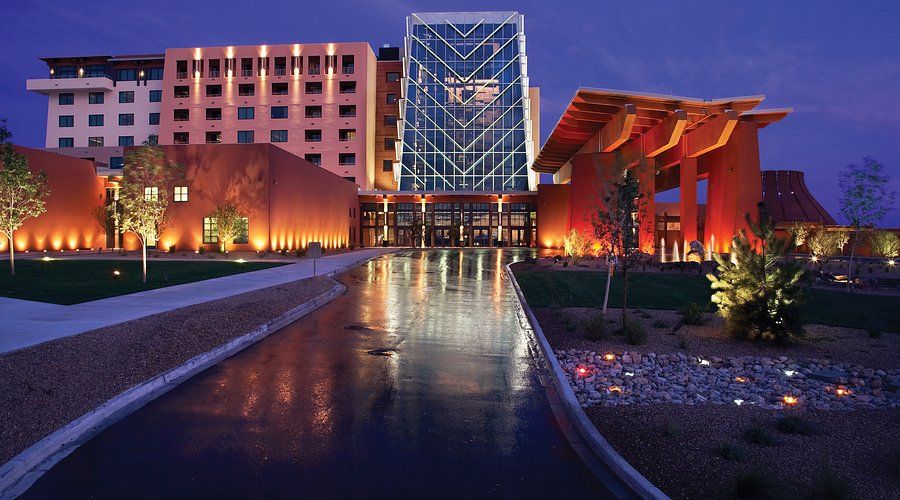
Albuquerque-area tribal casino resort with hotel lodging, gaming, dining, entertainment, spa amenities, and New Mexico resort appeal.
Visit Website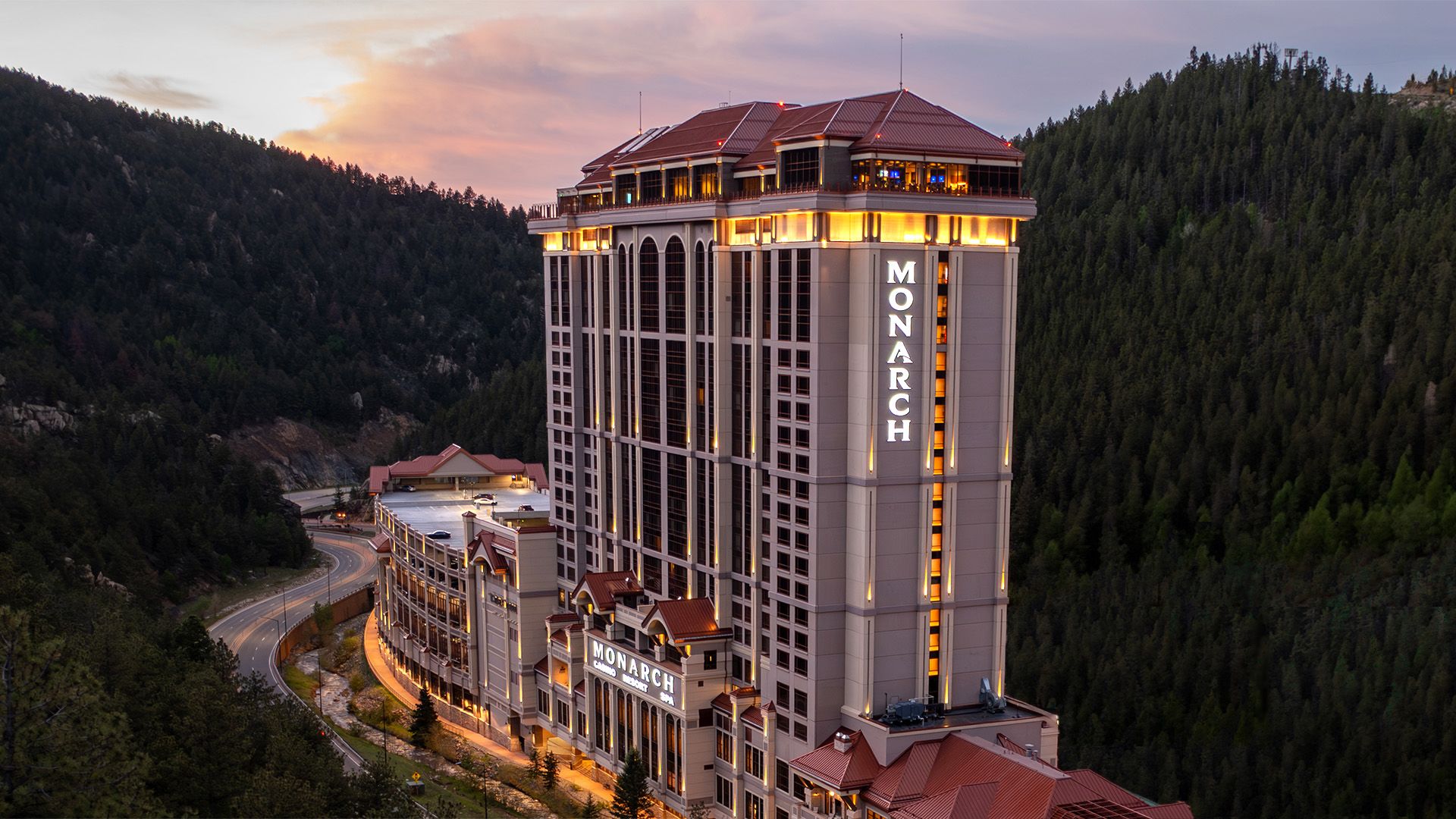
Upscale Black Hawk casino resort with luxury rooms, gaming, restaurants, spa amenities, mountain views, and resort-style service.
Visit Website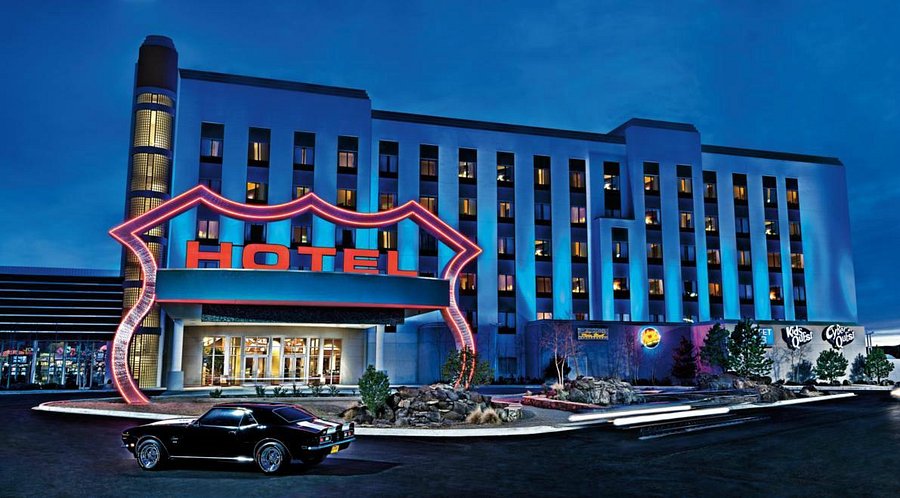
Albuquerque-area casino hotel with gaming, restaurants, entertainment venues, lodging, and a Route 66-themed resort atmosphere.
Visit Website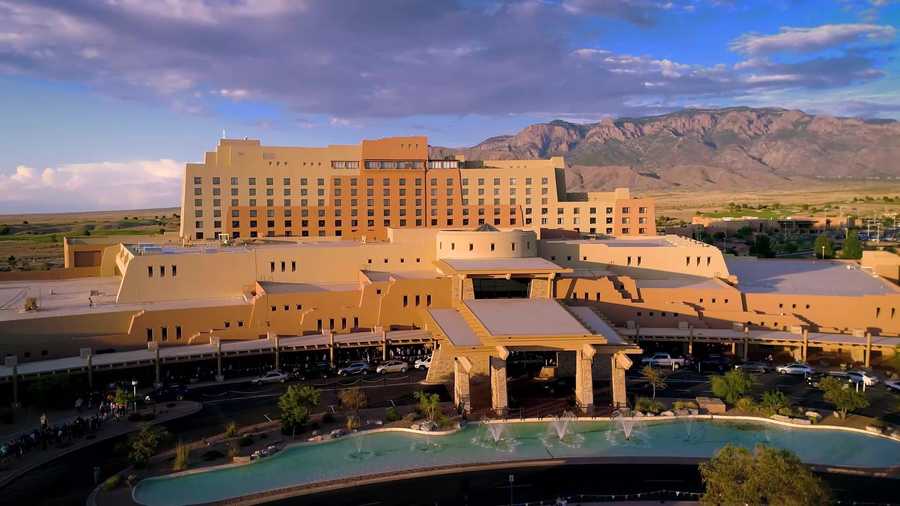
Albuquerque-area resort casino with upscale lodging, gaming, dining, golf, spa amenities, amphitheater events, and Sandia Mountain views.
Visit Website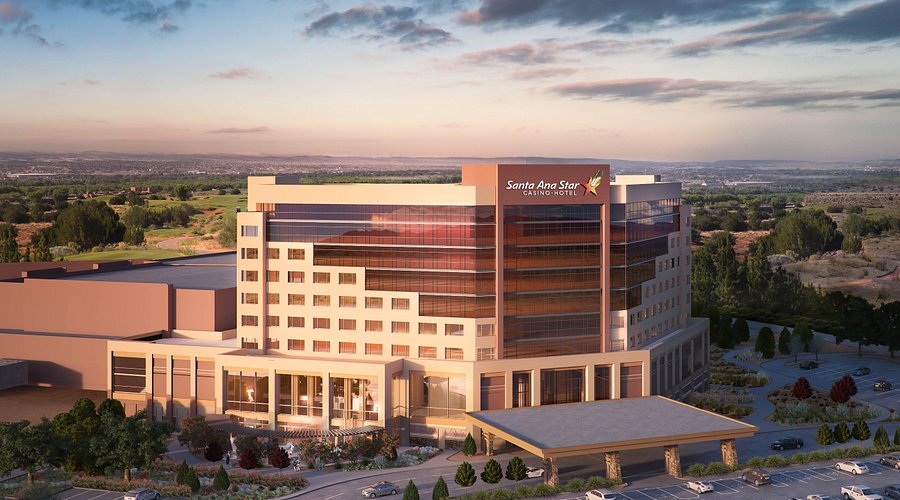
Santa Ana Pueblo casino hotel with slots, table games, sportsbook, dining, entertainment, and regional New Mexico gaming appeal.
Visit Website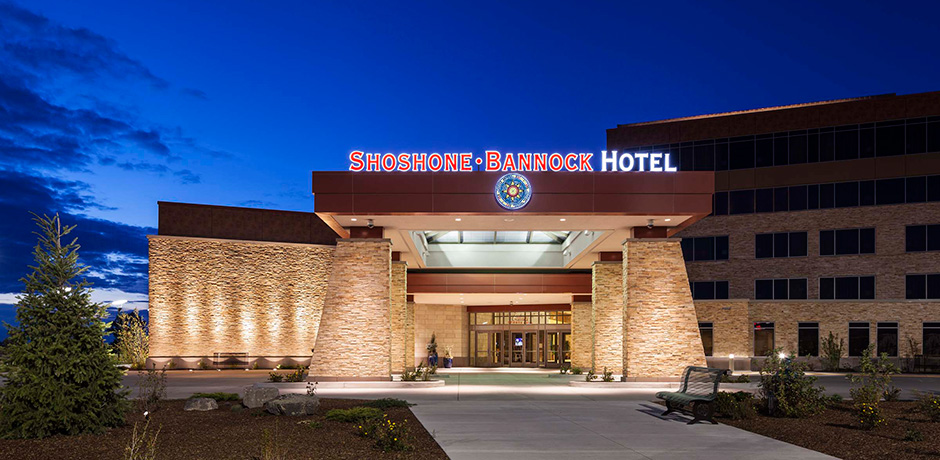
Fort Hall casino hotel near Idaho Falls and Pocatello with lodging, gaming, dining, RV options, and event entertainment.
Visit Website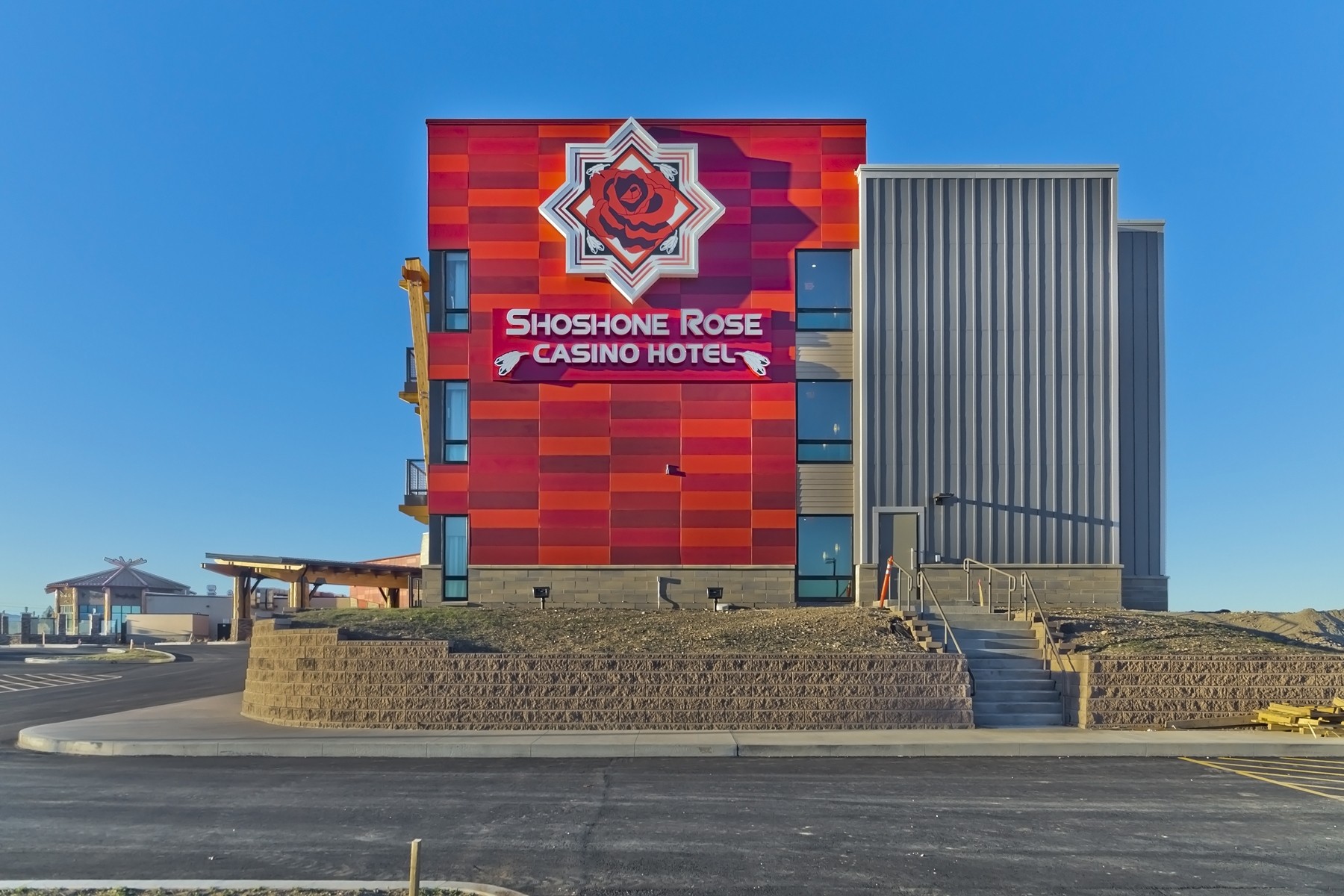
Lander-area casino hotel with lodging, gaming, dining, and Wyoming Wind River country destination appeal.
Visit Website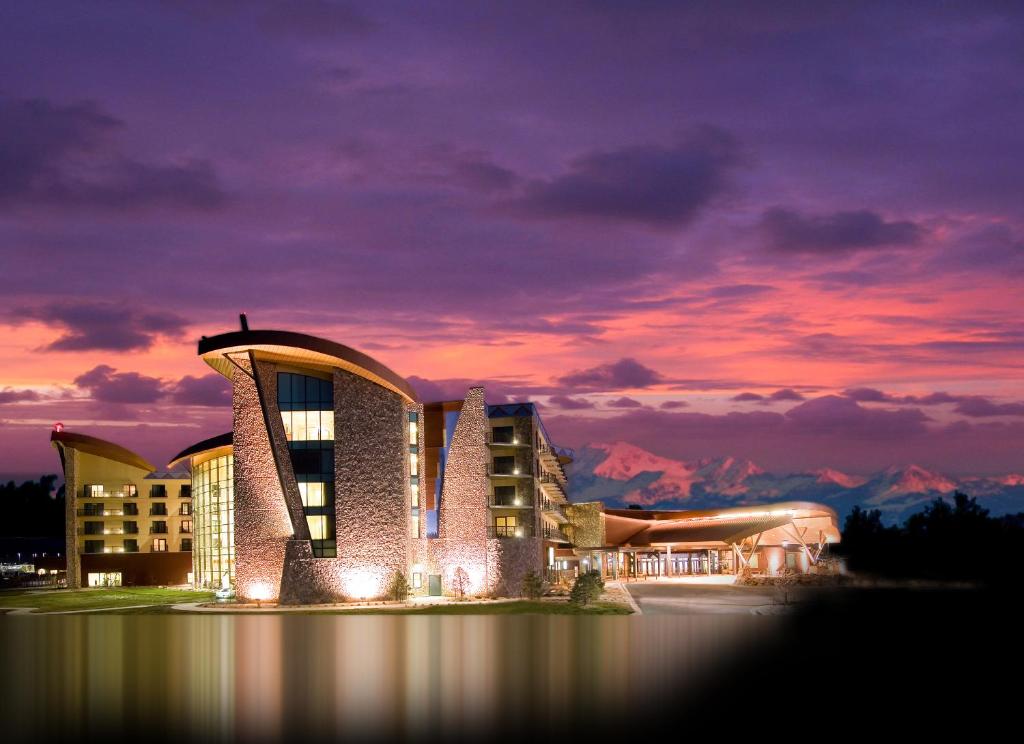
Ignacio tribal casino resort with hotel lodging, gaming, dining, entertainment, RV park amenities, and Southern Ute hospitality.
Visit Website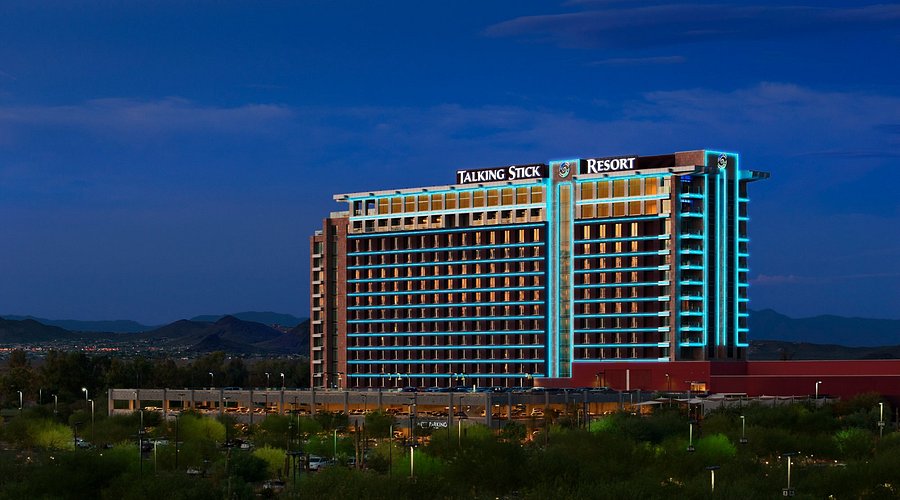
Four Diamond Scottsdale-area resort with casino gaming, hotel lodging, dining, entertainment, golf access, and Phoenix metro appeal.
Visit Website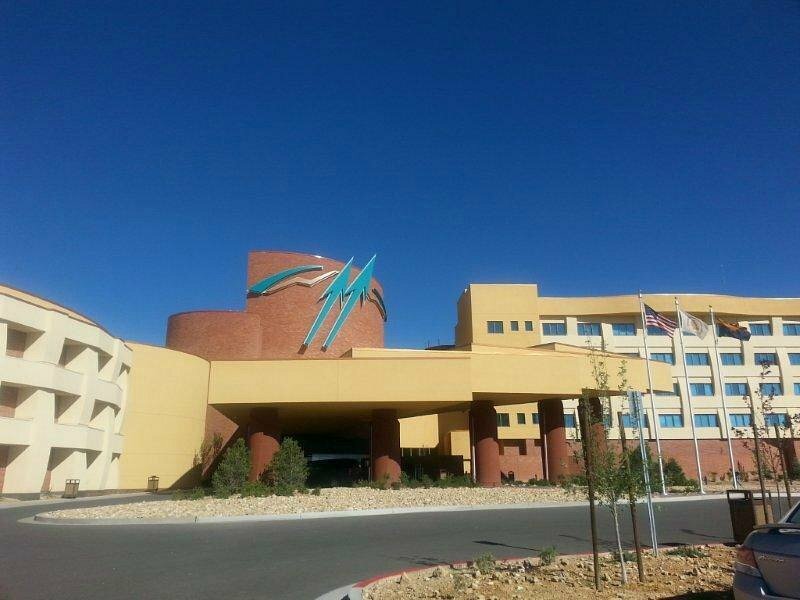
Flagstaff-area Navajo casino resort with hotel lodging, gaming, dining, entertainment, and Northern Arizona travel access.
Visit Website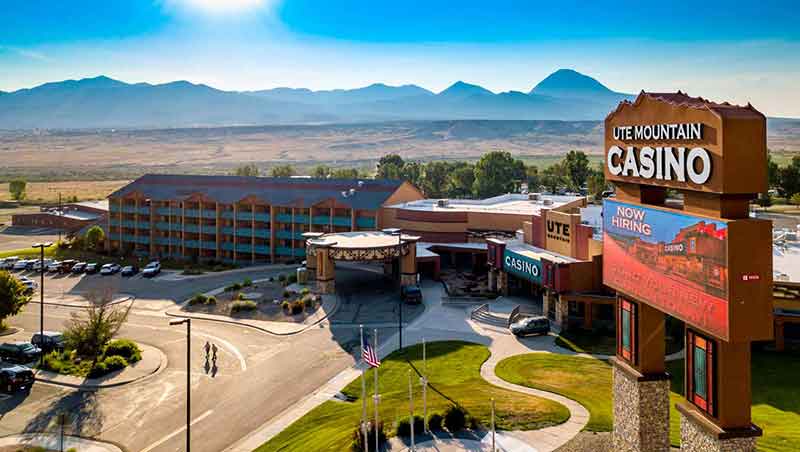
Four Corners tribal casino hotel in Towaoc with gaming, lodging, dining, RV options, and access to regional landmark travel.
Visit Website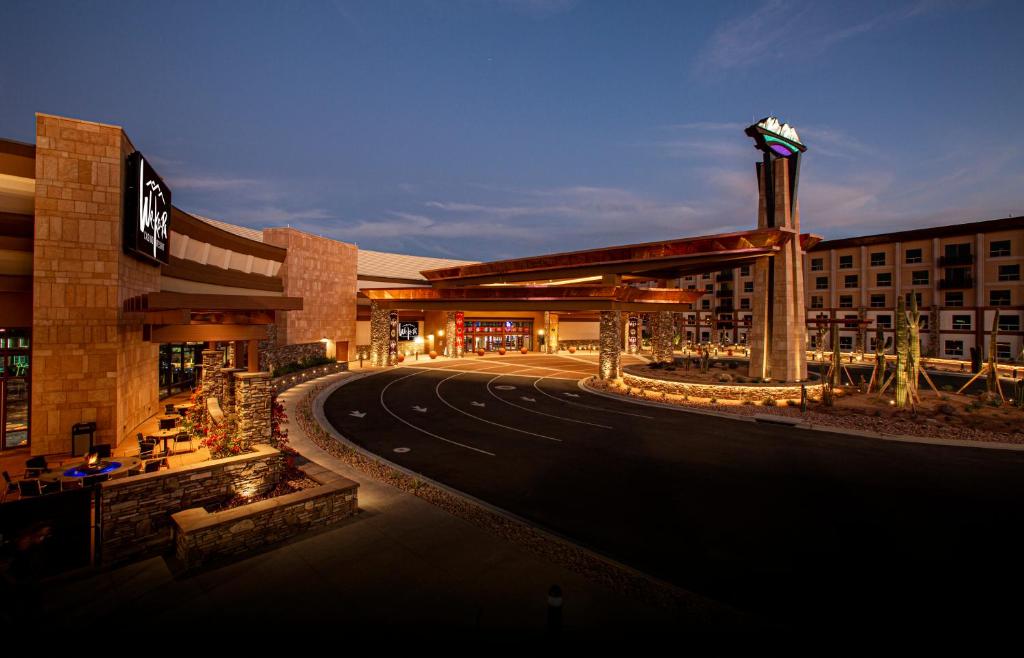
Fort McDowell-area casino resort with gaming, hotel rooms, restaurants, entertainment, golf nearby, and desert mountain scenery.
Visit Website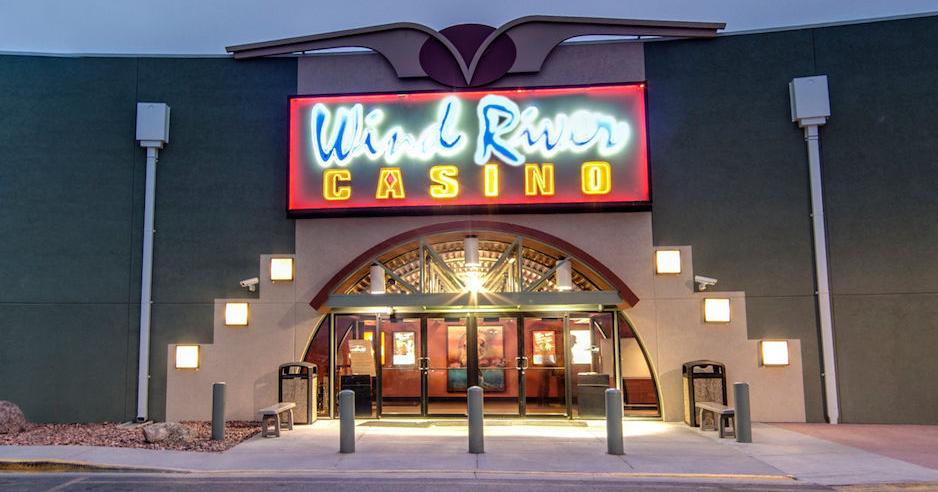
Wyoming casino hotel near Yellowstone with slots, live table games, sportsbook action, lodging, dining, and regional entertainment.
Visit WebsiteMountain West casino gaming is shaped by wide-open geography, tourism corridors, tribal gaming, historic mining towns, highway travel, desert resorts, and Nevada’s long-established casino industry. Unlike the Midwest or Middle Atlantic regions, where casinos are often spread across dense urban and suburban areas, the Mountain West combines major destination gaming with smaller regional properties serving travelers, local residents, resort towns, and rural communities.
Nevada is the most recognized gaming state in the region, with Las Vegas, Reno, Lake Tahoe, Laughlin, Mesquite, Primm, and other casino markets forming the backbone of commercial casino gambling. Beyond Nevada, Mountain West gaming may include tribal casinos, historic casino towns in Colorado, destination resorts in New Mexico and Arizona-adjacent markets, limited gaming jurisdictions, and travel corridors that connect casinos with national parks, ski areas, desert recreation, and major highways.
The result is a diverse casino landscape. Some properties are large resort casinos with hotels, restaurants, entertainment, sportsbooks, pools, spas, and convention space. Others are smaller local casinos, tribal gaming facilities, mountain-town casinos, or highway-oriented properties designed for day trips, overnight stops, and regional entertainment.
Mountain West gaming is strongly tied to travel. Many casino visits are connected to road trips, conventions, concerts, national park vacations, ski trips, lake recreation, desert tourism, golf, RV travel, motorcycle touring, and weekend getaways. Casinos often serve as both entertainment centers and practical travel stops.
The gaming experience may include slot machines, video poker, table games, poker rooms at selected properties, race and sportsbook lounges where allowed, hotel packages, restaurants, live music, event centers, loyalty programs, and seasonal promotions. In some areas, the casino may be part of a larger resort experience, while in others it may be a compact gaming property serving local or highway traffic.
The Mountain West includes several different gaming models. Nevada’s casino industry is primarily commercial and state-regulated. Tribal casinos operate under federal Indian gaming law, tribal regulation, and state-tribal compact structures where applicable. Some states also allow limited gaming in specific towns or under narrower legal frameworks.
Because rules vary by state and jurisdiction, visitors may notice major differences in casino size, available games, sportsbook access, hotel amenities, smoking policy, alcohol service, loyalty programs, and promotional rules. A large Nevada resort casino can feel very different from a tribal casino, a historic mountain-town casino, or a smaller rural gaming venue.
The Mountain West’s biggest strength is variety. Visitors can choose from major resort casinos, historic gaming towns, tribal casino resorts, desert highway casinos, lake-area casinos, and smaller regional gaming properties. This gives travelers many ways to combine gambling with scenery, recreation, restaurants, entertainment, and road-trip planning.
The region also benefits from strong tourism appeal. Casinos may be located near mountains, lakes, deserts, canyons, ski areas, golf courses, national parks, or convention centers. For many visitors, casino gaming is only one part of a broader vacation built around outdoor recreation, sightseeing, shows, dining, or relaxation.
Mountain West casinos face several types of competition. Large resort markets compete for national and international tourism, while smaller casinos compete for local players and road-trip travelers. Regional properties may also compete with tribal casinos, online sports betting where legal, entertainment venues, resort towns, and non-gaming vacation choices.
Geography can also be a challenge. Long distances, weather, mountain roads, remote locations, wildfire smoke, fuel costs, and seasonal travel patterns can affect visitor demand. Smaller markets may need steady reinvestment in hotel rooms, restaurants, gaming floors, parking, entertainment, and guest service to remain competitive.
Mountain West casino visitors should choose properties based on the type of trip they want. Some casinos are best for full resort vacations, entertainment, nightlife, and conventions. Others are better for scenic road trips, relaxed weekend stays, value lodging, RV travel, lake recreation, golf, ski trips, or quick gaming stops.
Before visiting, guests should compare hotel quality, parking, resort fees, dining options, entertainment calendars, table-game limits, sportsbook availability, smoking policy, loyalty rewards, driving distance, seasonal weather, and access to nearby attractions. In rural or mountain areas, it is also wise to check road conditions and travel times.
Nevada gives the Mountain West its strongest casino identity. Las Vegas is the best-known gaming destination in the United States, but Nevada gaming also includes Reno, Sparks, Lake Tahoe, Laughlin, Mesquite, Primm, Elko, Wendover-area travel, and smaller casino communities. These markets serve different audiences, from convention travelers and international tourists to regional road-trip guests and local players.
Nevada’s influence extends beyond its borders because many Mountain West travelers compare nearby casinos to Nevada’s resort model. At the same time, tribal casinos and smaller gaming towns can compete by offering convenience, local identity, scenery, value, cultural connection, or easier access for specific regional customers.
Mountain West casinos can support employment, tourism, restaurants, hotels, construction, entertainment, tribal government services, state and local tax revenue, transportation, and regional development. In smaller towns, a casino property may be one of the most visible hospitality employers and a major reason visitors stop overnight.
Casino development, however, is not a complete economic solution by itself. Communities may still need investment in infrastructure, housing, public safety, workforce training, non-gaming tourism, environmental planning, and small-business growth. A balanced visitor economy should not depend entirely on gambling revenue.
Mountain West casino gaming should be treated as entertainment, not as a dependable way to make money. Visitors should set a gambling budget before they play, avoid gambling with money needed for bills or essentials, take breaks, and remember that casino games are designed with mathematical odds that generally favor the house over time.
Warning signs of problem gambling may include chasing losses, borrowing money to bet, hiding gambling activity, gambling longer than planned, using credit to continue playing, or feeling anxious when trying to stop. Anyone experiencing these warning signs should consider responsible gambling tools, self-exclusion programs, counseling services, or trusted support from family, friends, or professionals.
Overall, Mountain West casinos offer one of the most distinctive regional gaming experiences in the United States. The region’s strengths include Nevada’s casino heritage, scenic travel routes, tribal gaming, resort towns, outdoor recreation, and a wide range of property types. Its concerns include gambling addiction risk, long travel distances, seasonal demand, market competition, aging facilities, and uneven community benefits. For informed visitors using realistic expectations and responsible limits, Mountain West casino gaming can provide a memorable mix of gambling, scenery, recreation, and regional character.