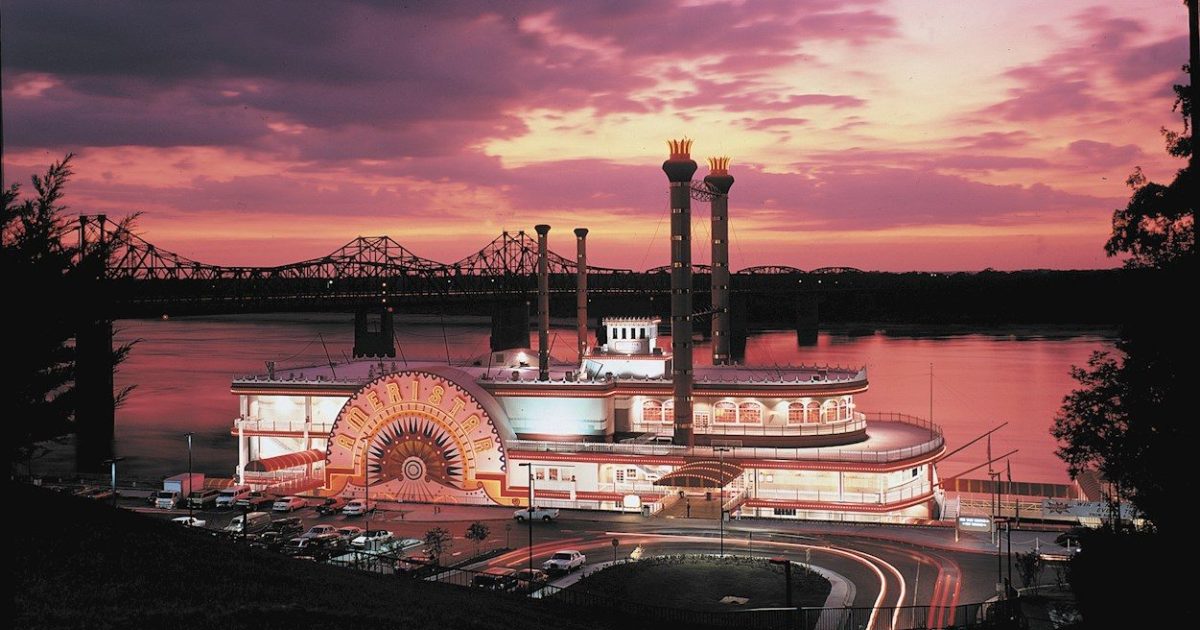
Ameristar Casino Hotel Vicksburg
Major Vicksburg riverfront casino hotel with gaming, dining, hotel accommodations, and classic Mississippi River casino appeal.
Visit Website
Search for casinos, tribal casinos, card rooms, poker clubs, and sportsbook locations near a city, state, or ZIP code.
Search query:
Results open through external search providers because this no-API version does not maintain a live national gambling establishment database.
Major casino resorts and riverfront gaming destinations along the Mississippi River corridor, A through G.
Major Vicksburg riverfront casino hotel with gaming, dining, hotel accommodations, and classic Mississippi River casino appeal.
Visit Website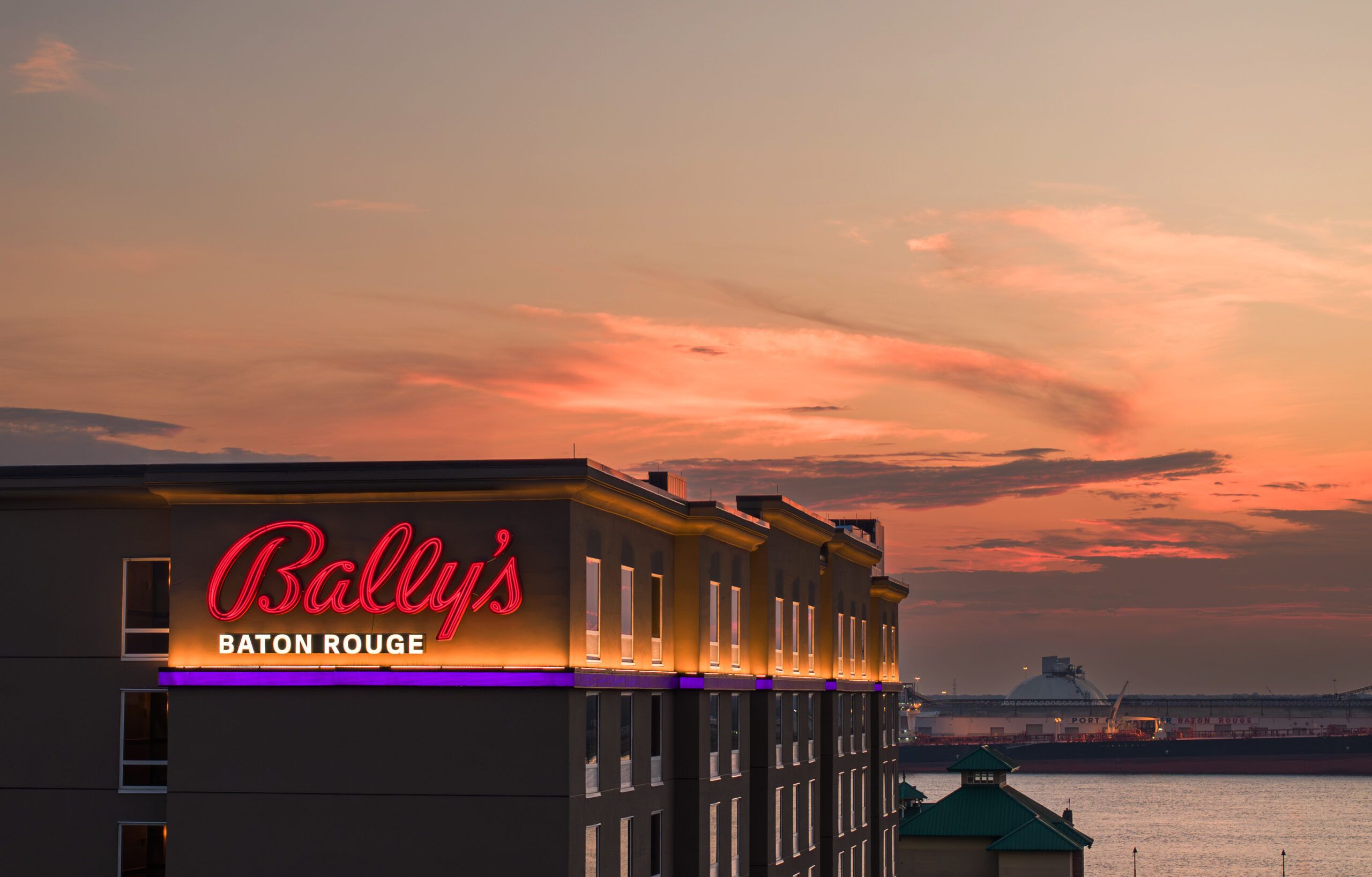
Downtown Baton Rouge casino hotel with renovated rooms, gaming, dining, and Mississippi Riverfront access.
Visit Website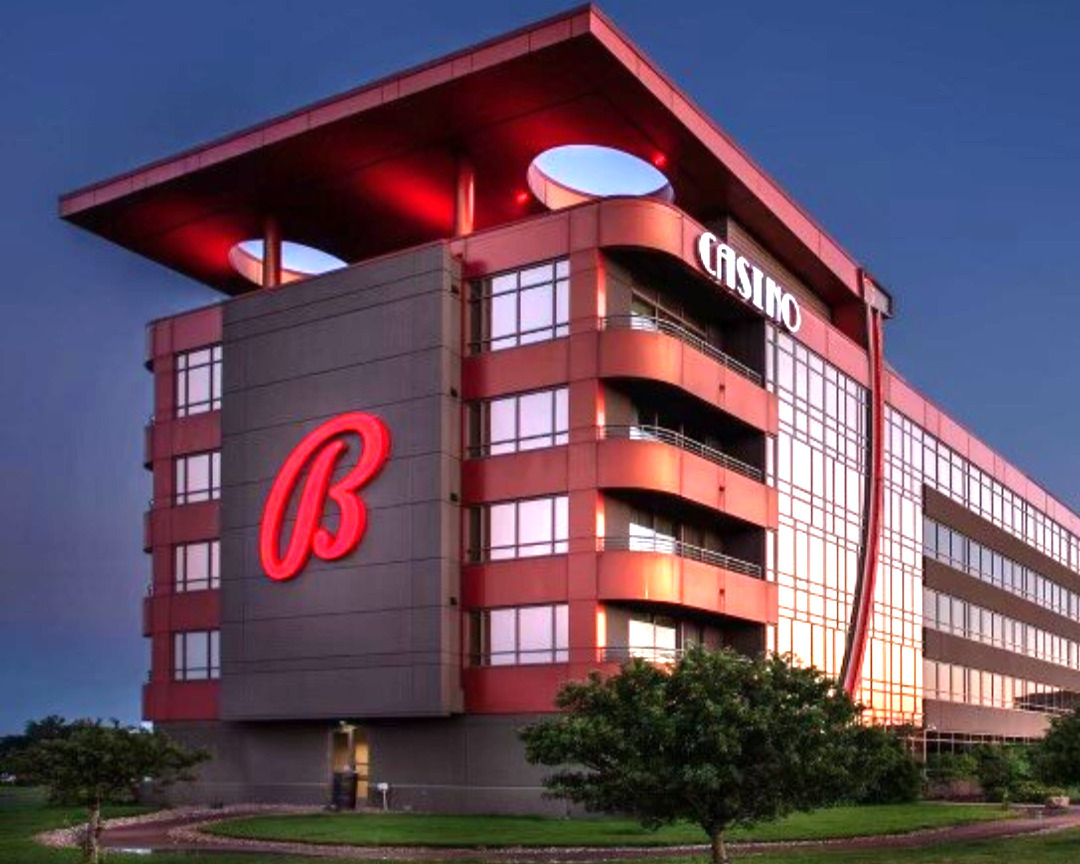
Rock Island casino resort with hotel rooms, slots, table games, dining, and panoramic Mississippi River-area views.
Visit Website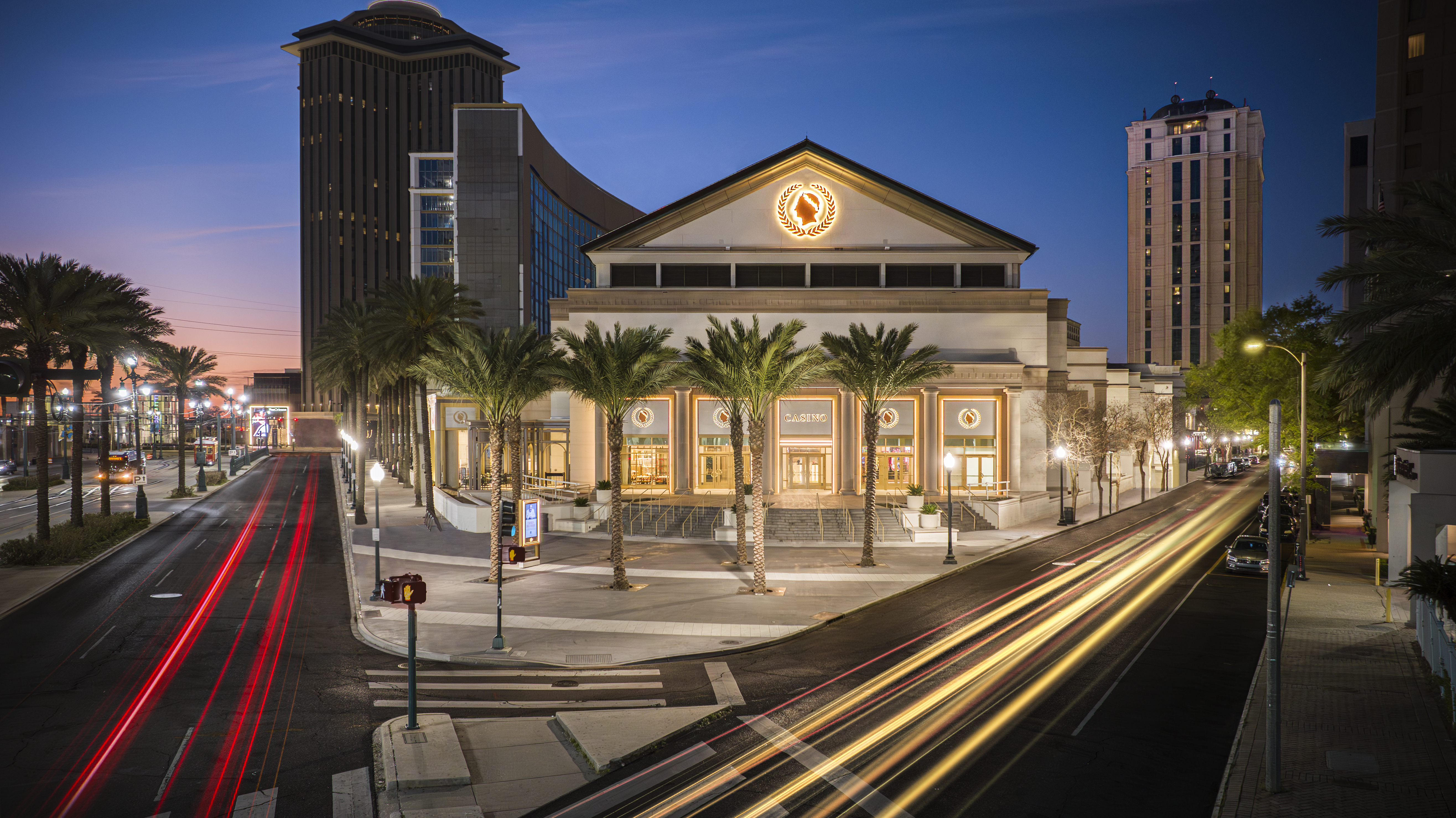
Reimagined New Orleans casino and hotel near the French Quarter, Superdome, Canal Street, and Mississippi Riverfront.
Visit Website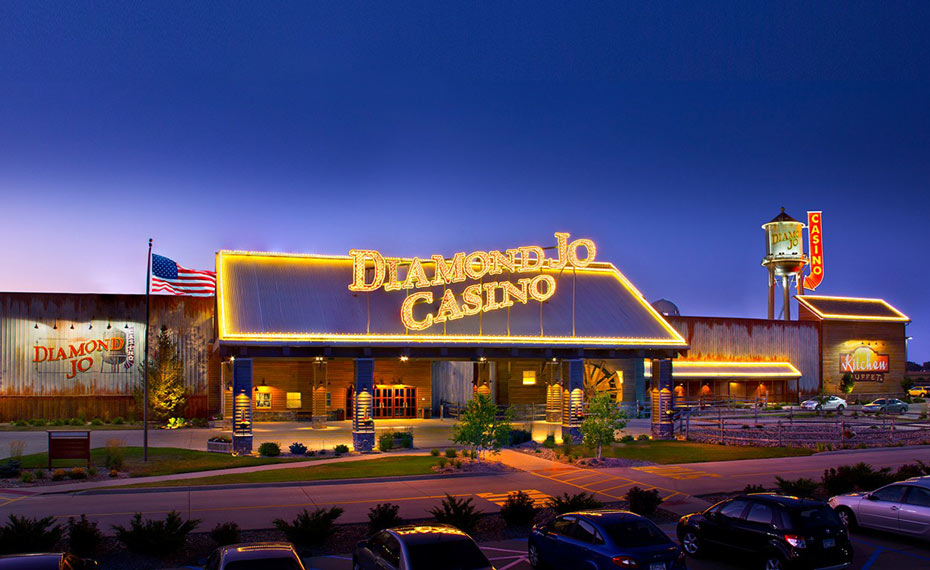
Dubuque casino destination with slots, table games, dining, bowling, and live entertainment near the Mississippi River.
Visit Website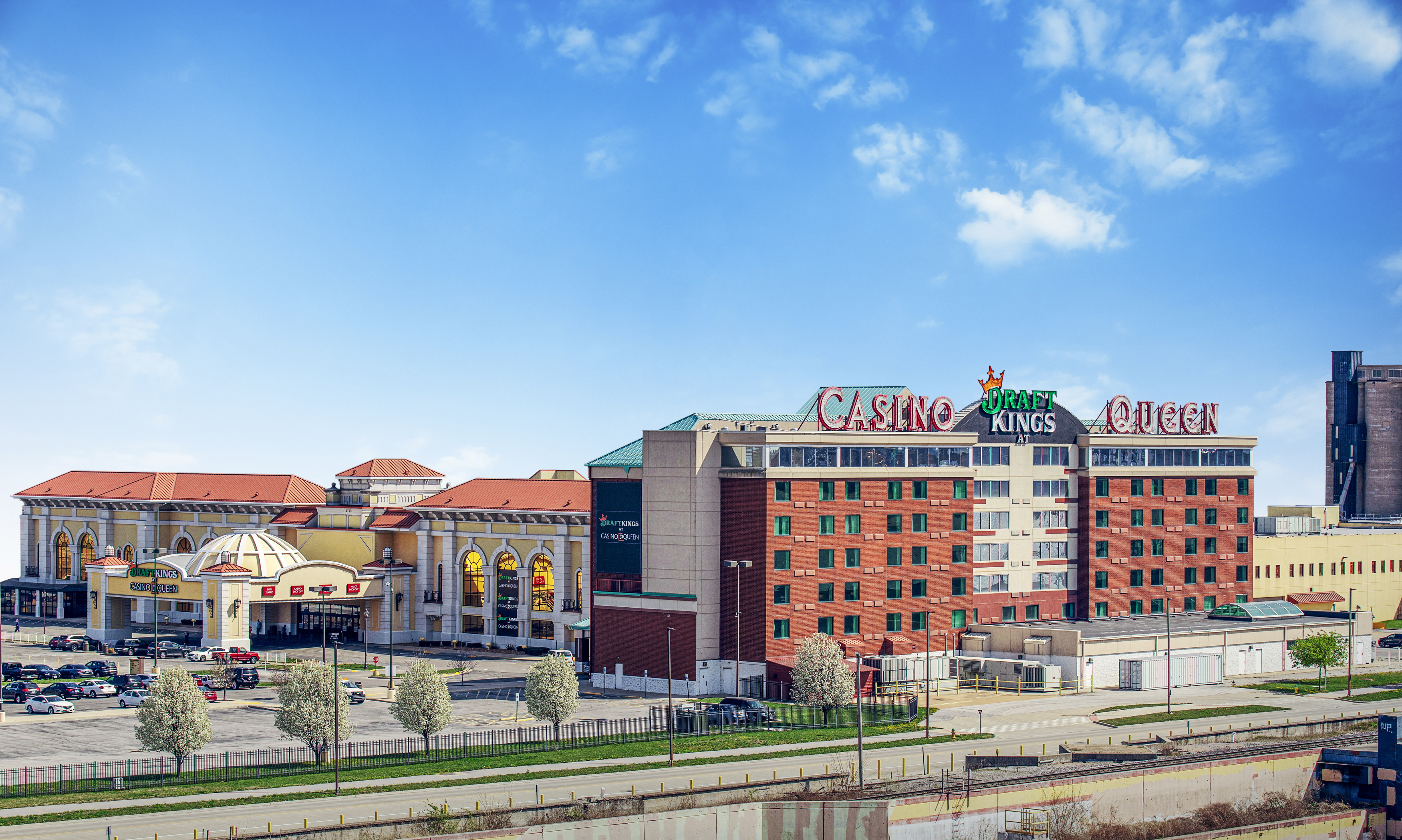
East St. Louis casino hotel set along the Mississippi River with gaming, dining, hotel rooms, and skyline views.
Visit Website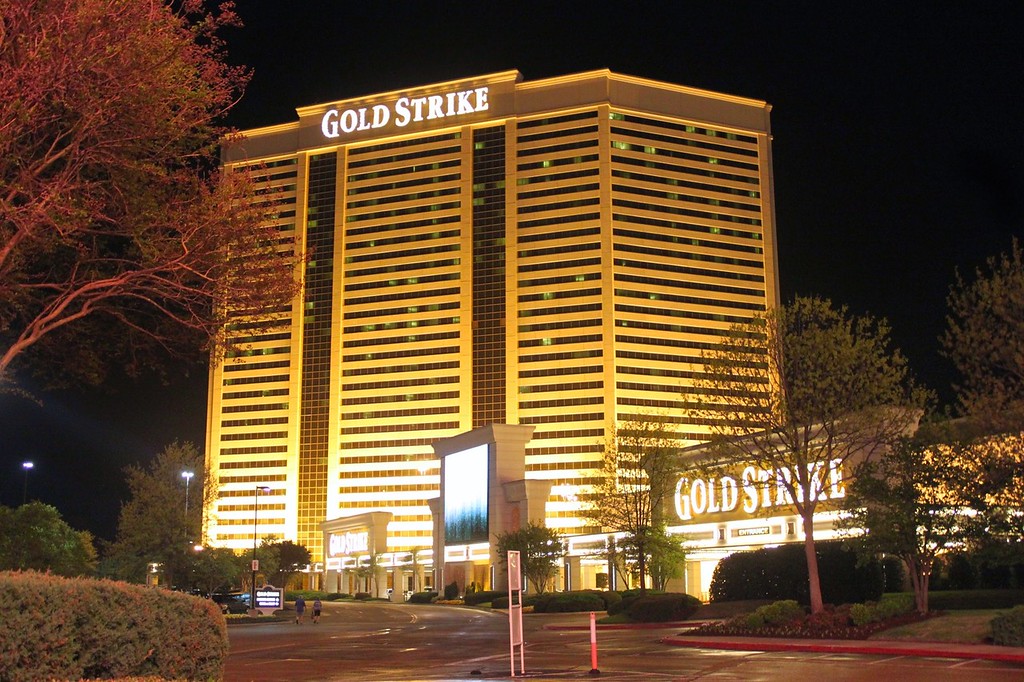
Tunica casino resort offering hotel accommodations, casino gaming, entertainment, dining, and Delta-region resort appeal.
Visit WebsiteAdditional leading casino resorts and riverfront gaming destinations along the Mississippi River corridor, H through R.
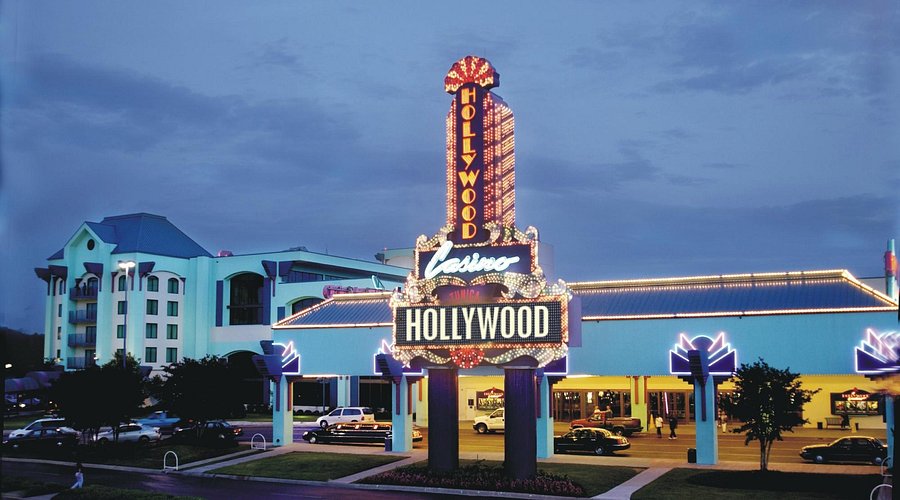
Movie-themed Tunica casino hotel with slots, table games, restaurants, hotel rooms, and Hollywood-style atmosphere.
Visit Website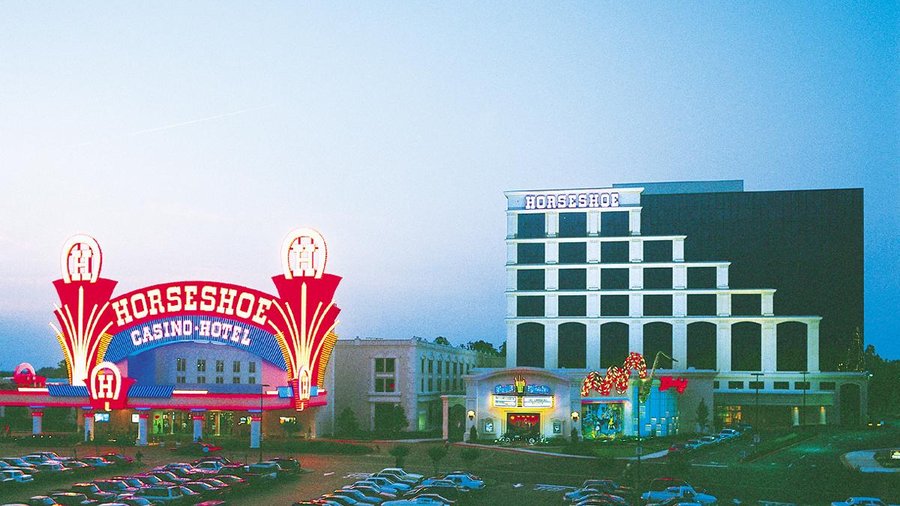
Well-known Tunica resort casino with a large gaming floor, Caesars Sportsbook, poker, dining, and hotel rooms.
Visit Website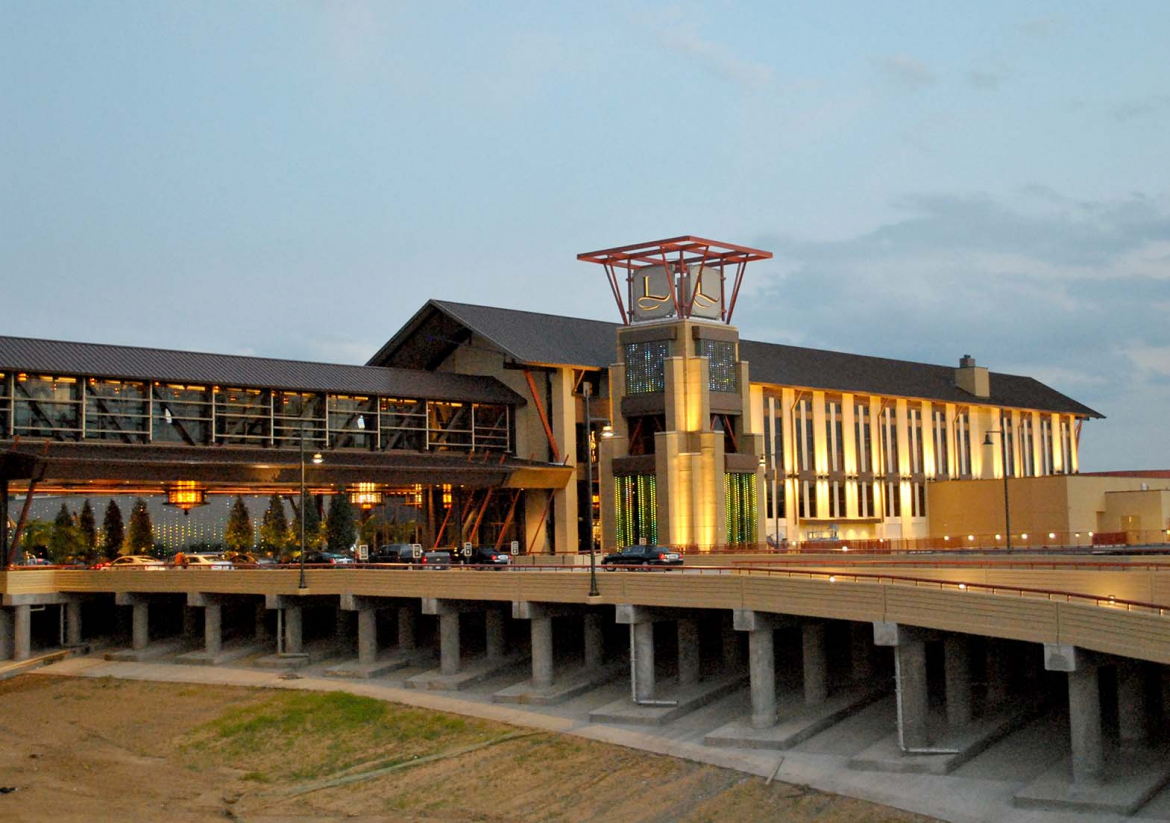
Upscale Baton Rouge riverfront casino hotel with gaming, dining, entertainment, pool amenities, and resort-style lodging.
Visit Website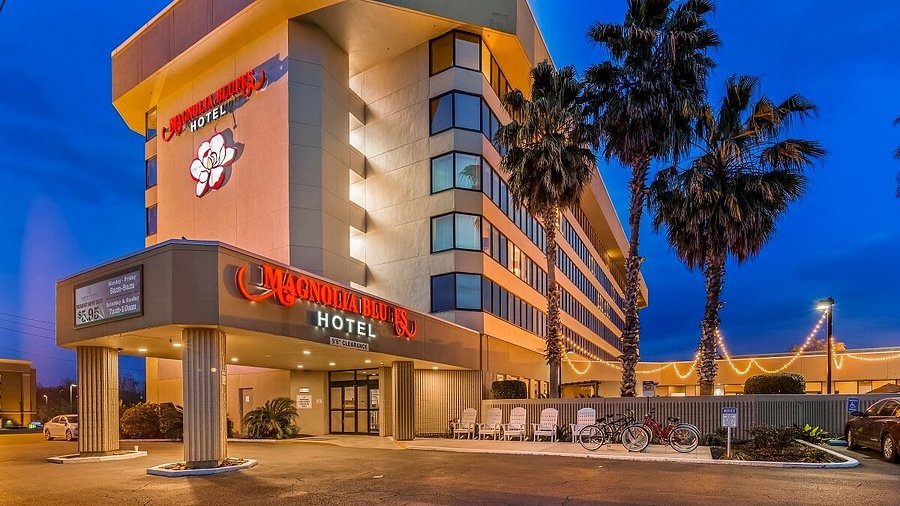
Natchez-area casino destination with gaming, dining, hotel lodging, Southern hospitality, and historic river-city appeal.
Visit Website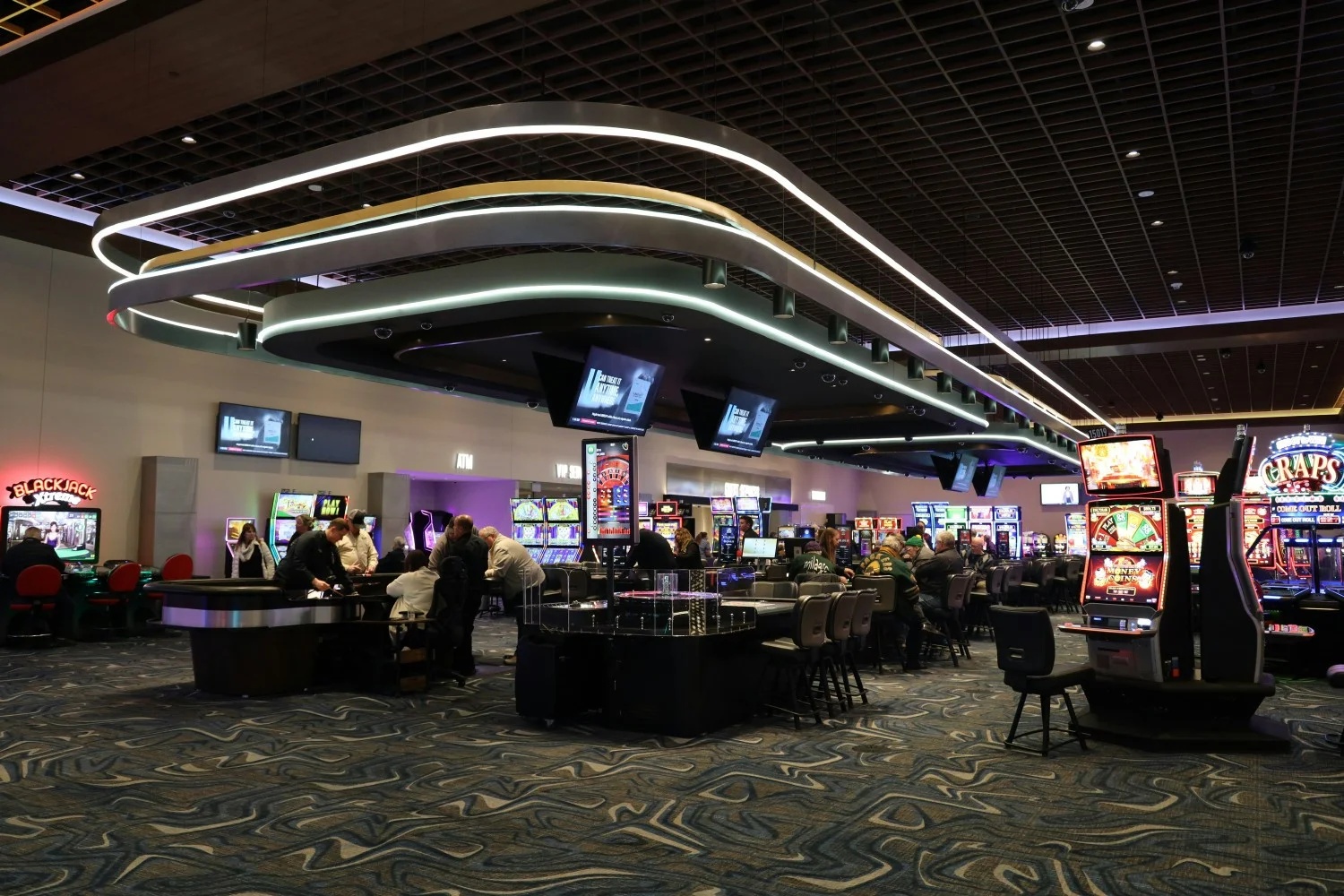
Dubuque entertainment destination with casino gaming, hotel lodging, dining, events, and Mississippi River-adjacent attractions.
Visit Website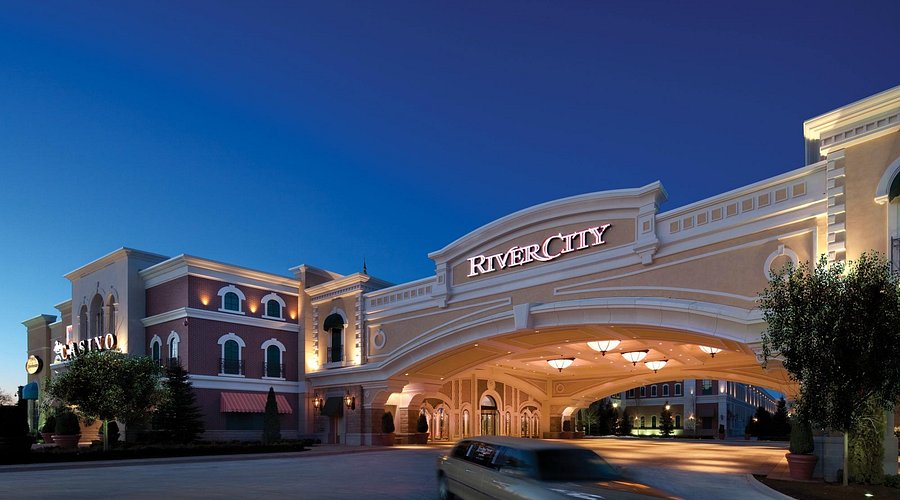
St. Louis casino hotel set on the banks of the Mississippi River with luxury lodging, gaming, dining, and entertainment.
Visit Website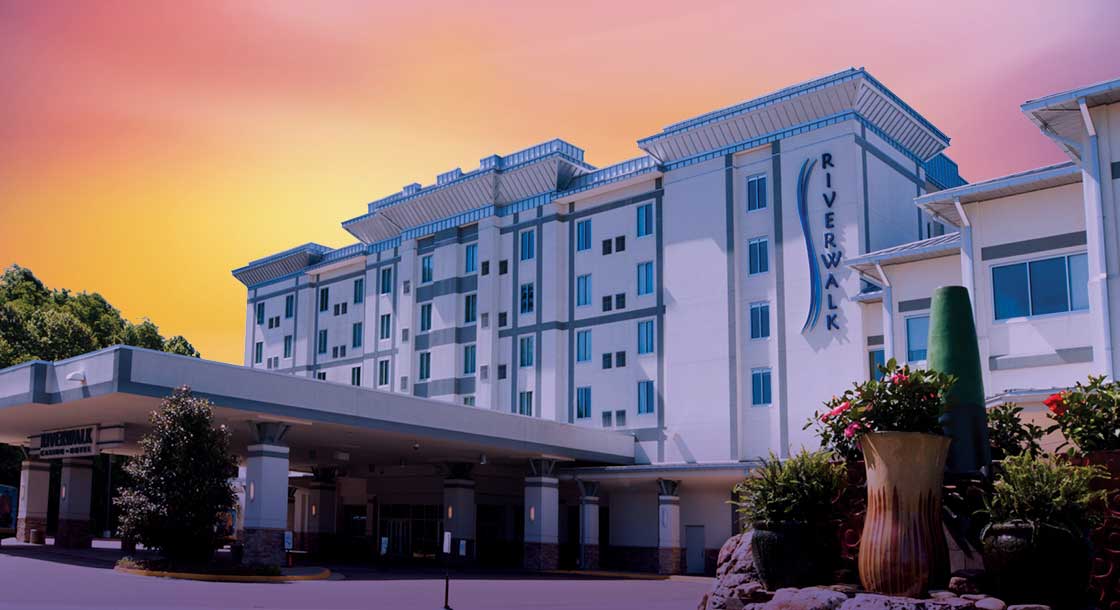
Vicksburg casino hotel with slots, table games, sports betting, dining, and 24-hour riverfront gaming action.
Visit WebsiteMississippi River gambling is one of the most historically recognizable forms of American casino entertainment. Long before modern casino resorts, the river was associated with paddlewheel boats, card games, river towns, commerce, travel, and frontier entertainment. Today, the old riverboat image remains part of the region’s gaming identity, even though many casinos now operate as dockside, land-based, resort-style, or modern regional gaming properties.
The Mississippi River gaming corridor stretches through multiple states and communities, including areas in Iowa, Illinois, Missouri, Mississippi, Louisiana, and nearby regional markets. Some casinos are located directly along the river, while others reflect the broader riverboat gaming tradition that helped shape casino expansion throughout the central United States.
Unlike Las Vegas, which is built around a single desert entertainment center, Mississippi River gambling is spread across many towns and cities. These markets often serve local residents, drive-in visitors, weekend travelers, tour groups, retirees, RV travelers, and guests looking for casino gaming combined with regional history, dining, hotels, music, and riverfront scenery.
Mississippi River gaming is shaped by its location, history, and regional customer base. Many casino markets along the river began with riverboat or dockside gaming laws, which allowed casino gambling in limited forms tied to navigable waterways. Over time, many properties evolved into more permanent casino facilities with hotel rooms, restaurants, entertainment venues, parking, meeting space, and loyalty programs.
The modern experience may include slot machines, video poker, table games, poker rooms at selected properties, sportsbooks where permitted by state law, casual dining, buffets, steakhouses, hotel packages, live music, event centers, and promotional giveaways. Some properties preserve a riverboat theme, while others operate more like contemporary regional casino resorts.
Mississippi River gambling is not controlled by one uniform set of rules. Casino operations vary by state, and each state determines its own licensing system, tax structure, approved games, sportsbook rules, online gaming permissions, responsible gambling programs, and regulatory requirements.
This state-by-state structure means that visitors may see differences in casino size, game selection, smoking policy, sportsbook availability, hotel amenities, loyalty programs, and promotional rules. A river casino in one state may feel very different from a river casino across the border, even when both properties serve the same broad regional travel market.
The Mississippi River gives casino gaming a strong sense of place. River towns often carry historic associations with steamboats, blues music, trade routes, old downtown districts, bridges, waterfronts, and Southern or Midwestern travel culture. For many visitors, the setting is part of the attraction.
This historic identity helps distinguish river gambling from suburban casinos, racinos, and online gaming. Even when the casino itself is modern, the riverfront setting can make the trip feel connected to a larger American travel tradition.
Mississippi River casinos can support tourism, hotels, restaurants, local employment, live entertainment, tax revenue, event centers, and riverfront redevelopment. In some communities, casino properties help attract visitors who might otherwise bypass smaller towns or older downtown districts.
For guests, the region offers accessible drive-in casino entertainment. Many properties are less overwhelming than large national resort markets and may provide easier parking, affordable rooms, casual restaurants, local music, and a more relaxed gaming environment.
River casino markets face competition from nearby states, tribal casinos, commercial casinos, racinos, mobile sports betting, online gaming, and larger destination resorts. Some older properties may also need continued investment in hotel rooms, restaurants, casino floors, entertainment spaces, and exterior appearance.
Flooding, weather, changing travel patterns, and regional economic conditions can also affect riverfront casino communities. A casino can bring visitors and jobs, but it does not automatically solve broader local challenges such as infrastructure needs, downtown vacancy, housing, workforce training, or economic diversification.
Mississippi River casino visitors often look for a combination of convenience, value, scenery, and regional flavor. A trip may include casino play, a hotel stay, a riverfront walk, local restaurants, live music, historic sites, road travel, RV stops, or a weekend getaway.
Before visiting, guests should compare hotel quality, parking, dining options, entertainment calendars, table game availability, sportsbook access, loyalty club benefits, smoking policy, resort fees, and proximity to other local attractions. Some properties are best for quick casino visits, while others are better for overnight stays or broader regional travel.
The riverboat tradition remains important to the image of Mississippi River gambling, even though the business model has changed. Early riverboat gaming was tied to the idea of gambling on vessels or floating facilities. Today, many casinos that began under riverboat laws operate more like fixed regional casino resorts.
This transition reflects a larger trend in American gaming. Casinos have moved beyond simple gambling floors and now compete through hotels, food, entertainment, loyalty programs, sportsbooks, technology, and customer service. The most successful river casino properties often balance local history with modern amenities.
Mississippi River casinos should be enjoyed as entertainment, not as a dependable way to make money. Visitors should set a gambling budget before they play, avoid using money needed for bills or essentials, take breaks, and remember that casino games are designed with mathematical odds that generally favor the house over time.
Warning signs of problem gambling may include chasing losses, borrowing money to bet, hiding gambling activity, gambling longer than planned, using credit to continue playing, or feeling anxious when trying to stop. Anyone experiencing these warning signs should consider responsible gambling tools, self-exclusion programs, counseling services, or trusted support from family, friends, or professionals.
Overall, Mississippi River gambling remains a distinctive part of America’s casino landscape. Its strengths include historic identity, riverfront settings, regional accessibility, local tourism, casual entertainment, and a broad mix of casino properties across multiple states. Its concerns include gambling addiction risk, market competition, aging facilities, weather-related challenges, and uneven community benefits. For informed visitors using realistic expectations and responsible limits, Mississippi River casinos can provide a memorable regional gaming experience rooted in both history and modern entertainment.