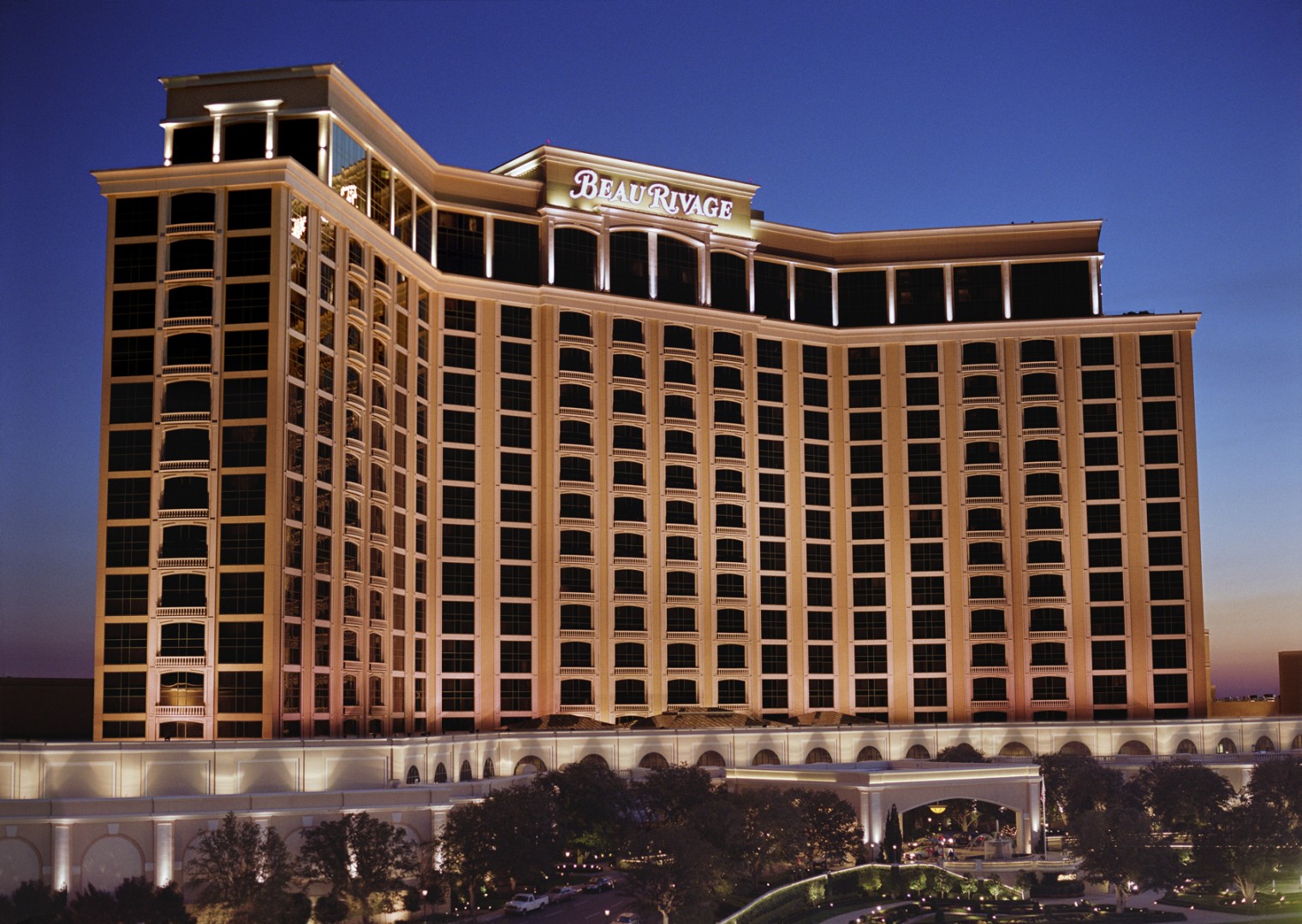
Beau Rivage Resort & Casino
Gulf Coast luxury casino resort in Biloxi with upscale lodging, casino gaming, dining, entertainment, and MGM Rewards access.
Visit Website
Search for casinos, tribal casinos, card rooms, poker clubs, and sportsbook locations near a city, state, or ZIP code.
Search query:
Results open through external search providers because this no-API version does not maintain a live national gambling establishment database.
Major casino resorts, tribal casinos, casino hotels, racinos, sportsbooks, and destination gaming venues across the South Central region, B through M.
Gulf Coast luxury casino resort in Biloxi with upscale lodging, casino gaming, dining, entertainment, and MGM Rewards access.
Visit Website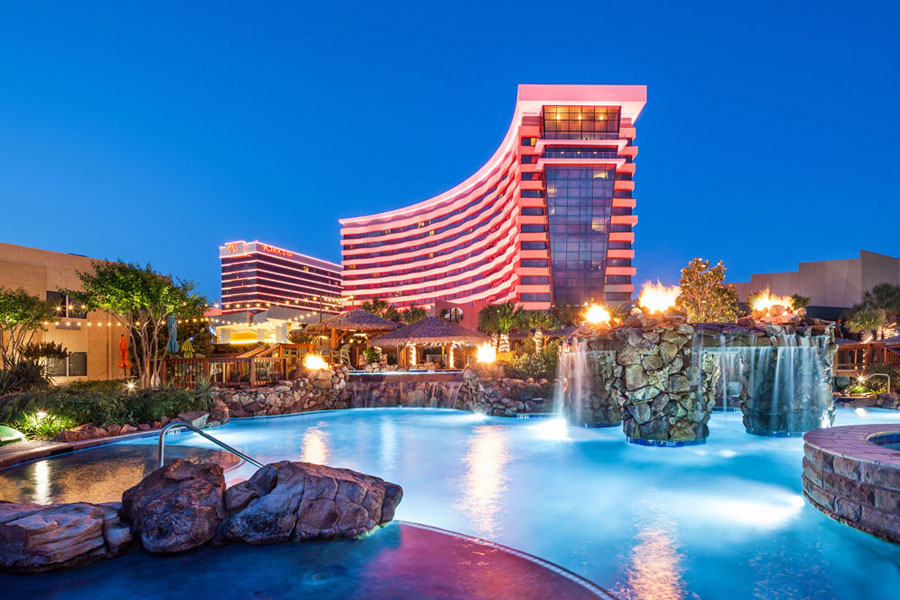
AAA Four Diamond Oklahoma resort with 1,700 hotel rooms, pools, spa amenities, gaming, entertainment, and DFW-area appeal.
Visit Website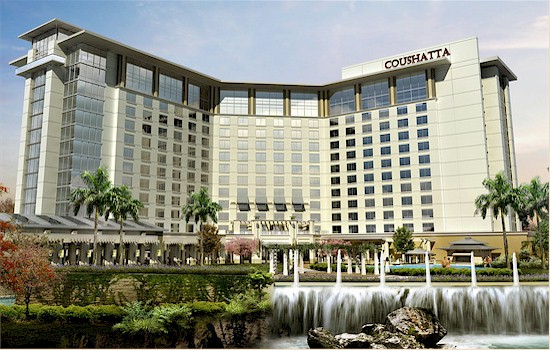
Louisiana’s largest casino resort with a large gaming floor, multiple hotels, dining, RV resort, pool, and golf.
Visit Website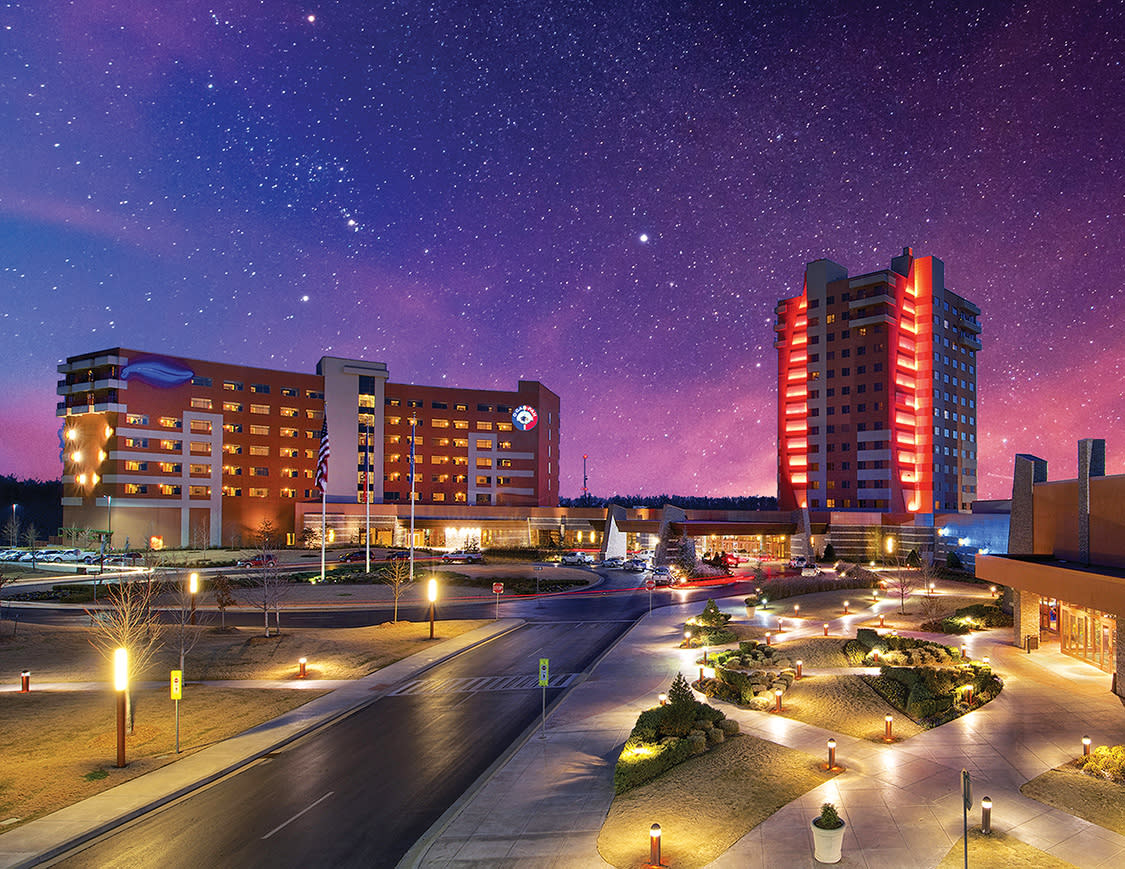
Four-state-area casino resort near Oklahoma, Missouri, Kansas, and Arkansas with gaming, lodging, dining, golf, and entertainment.
Visit Website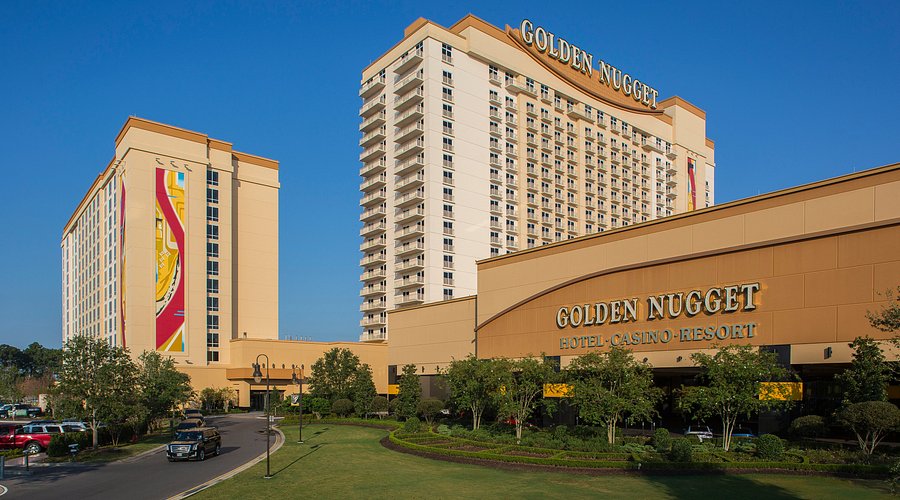
Waterfront Lake Charles casino resort with luxury rooms, gaming, dining, entertainment, marina, pool amenities, and golf.
Visit Website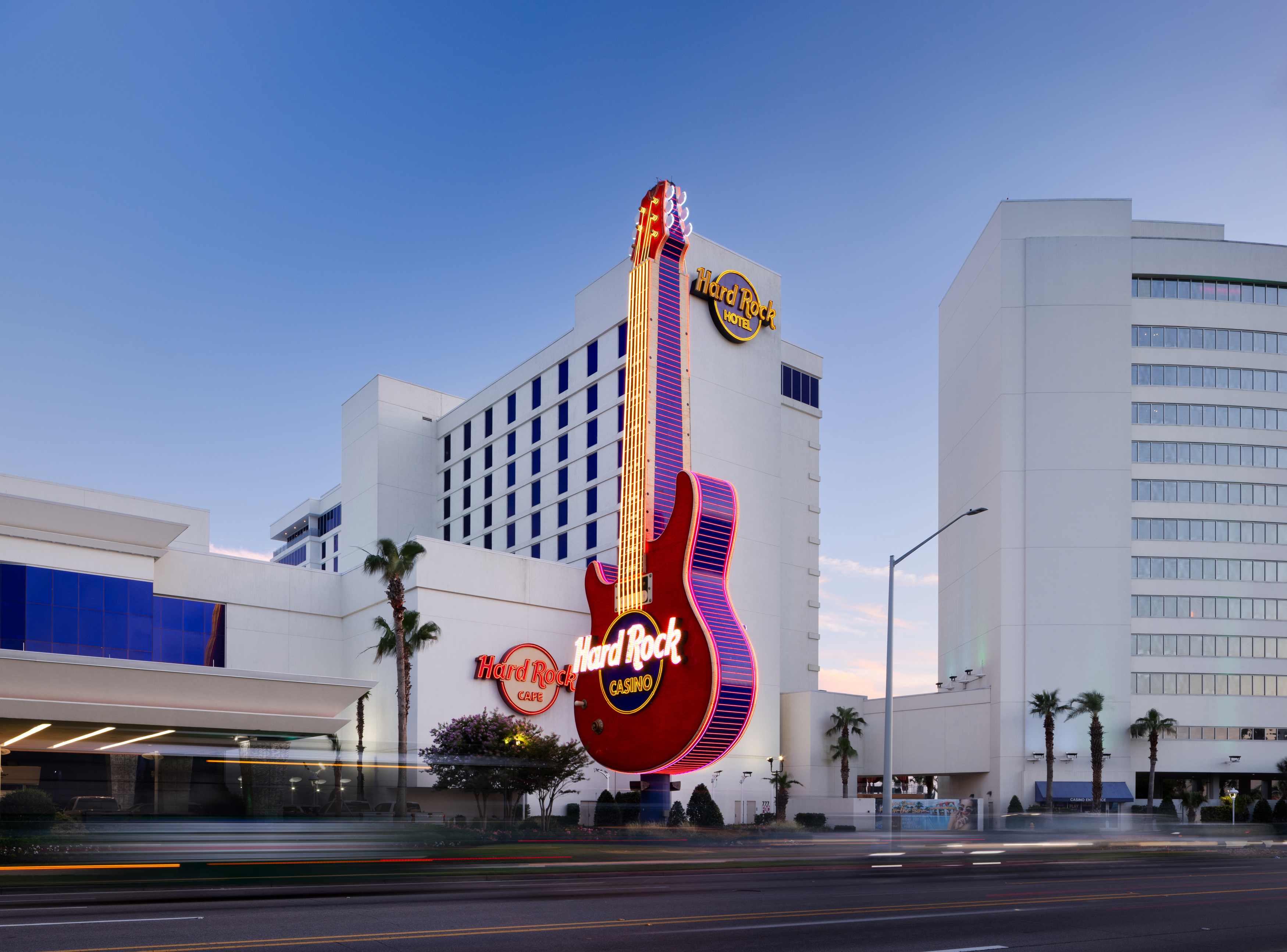
Biloxi casino resort with rock-and-roll theming, hotel rooms, gaming, restaurants, nightlife, entertainment, and Gulf Coast views.
Visit Website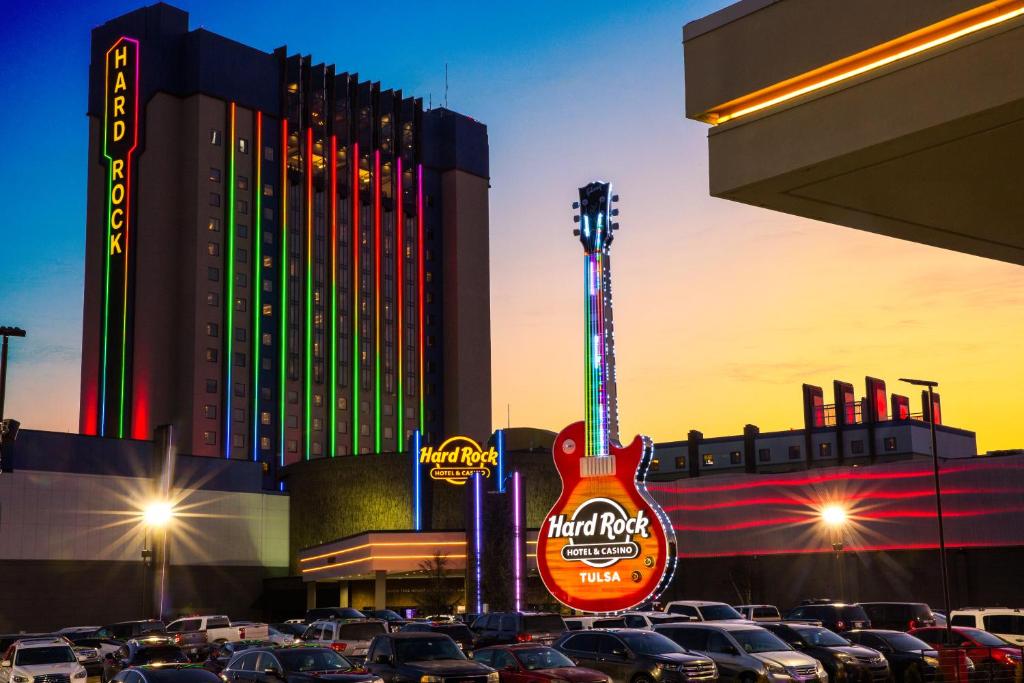
Tulsa-area Cherokee Nation casino resort with hotel towers, gaming, dining, live entertainment, and Hard Rock brand appeal.
Visit Website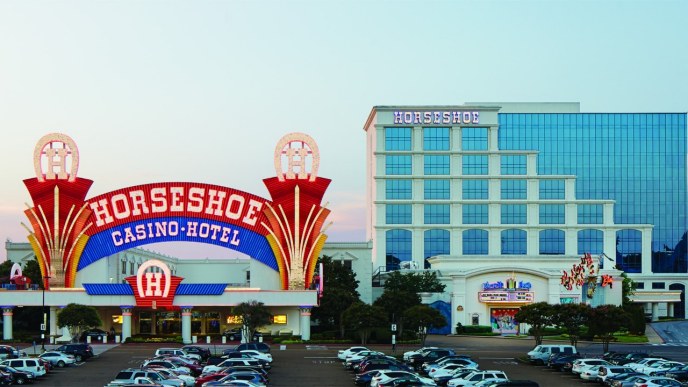
Well-known Tunica resort casino with a large gaming floor, Caesars Sportsbook, poker, dining, entertainment, and hotel rooms.
Visit Website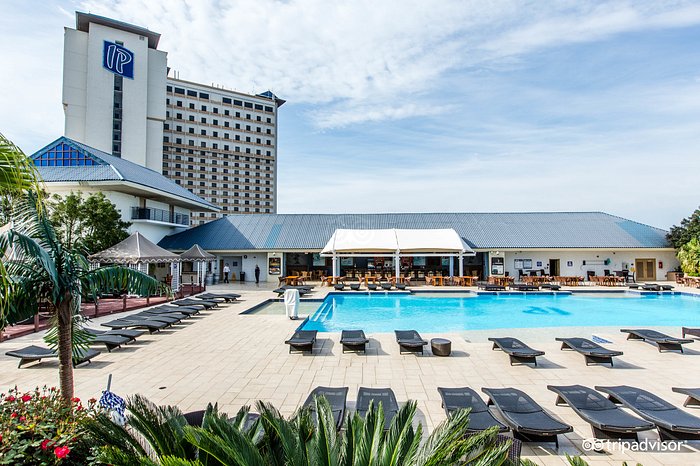
Biloxi casino resort with hotel rooms, spa amenities, gaming, dining, entertainment, and Boyd Rewards access.
Visit Website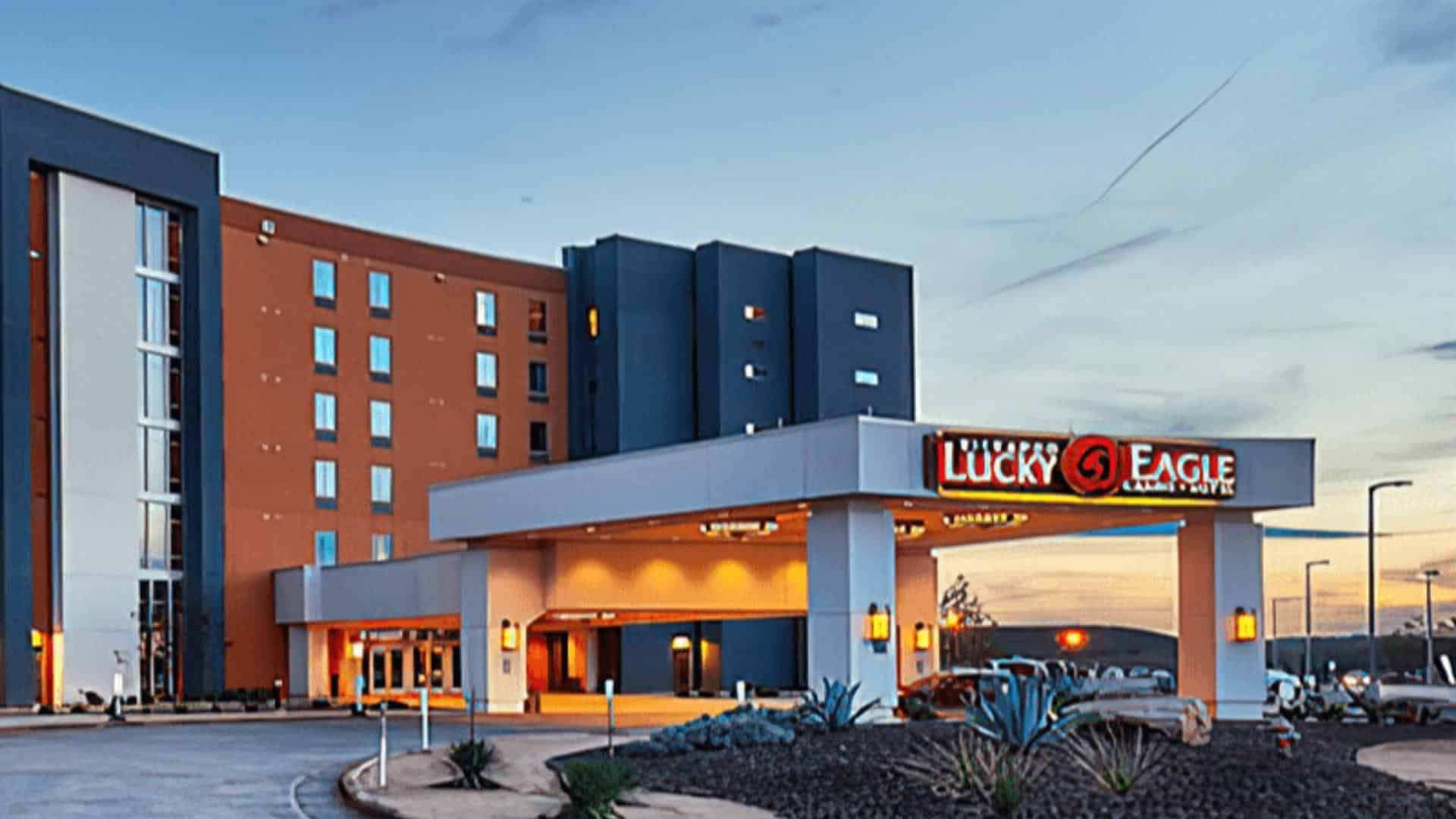
Eagle Pass tribal casino hotel with slots, poker-style games, dining, lodging, entertainment, and South Texas gaming appeal.
Visit Website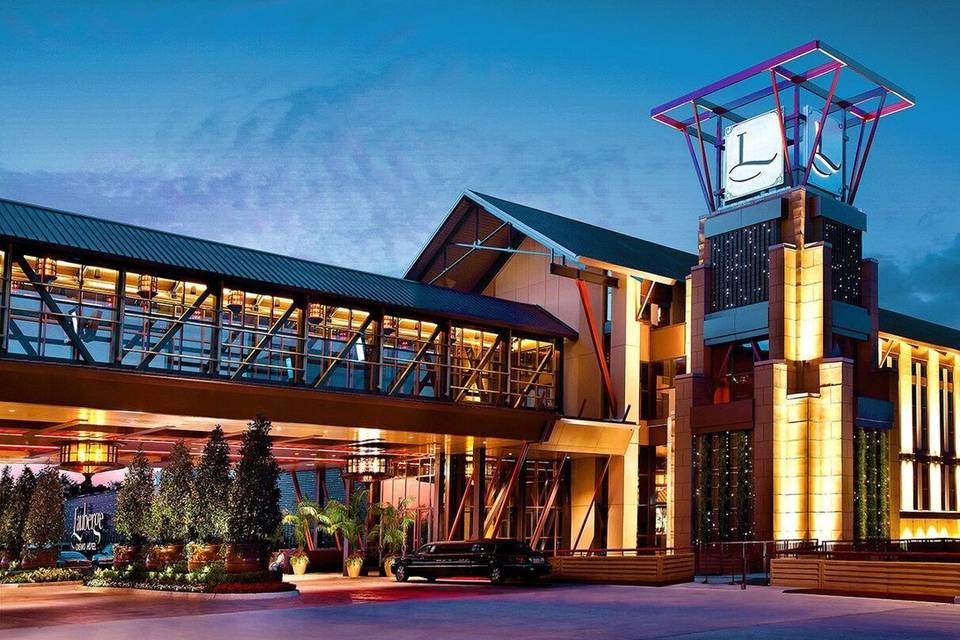
Upscale Baton Rouge riverfront casino hotel with gaming, dining, entertainment, rooftop pool amenities, and resort-style lodging.
Visit Website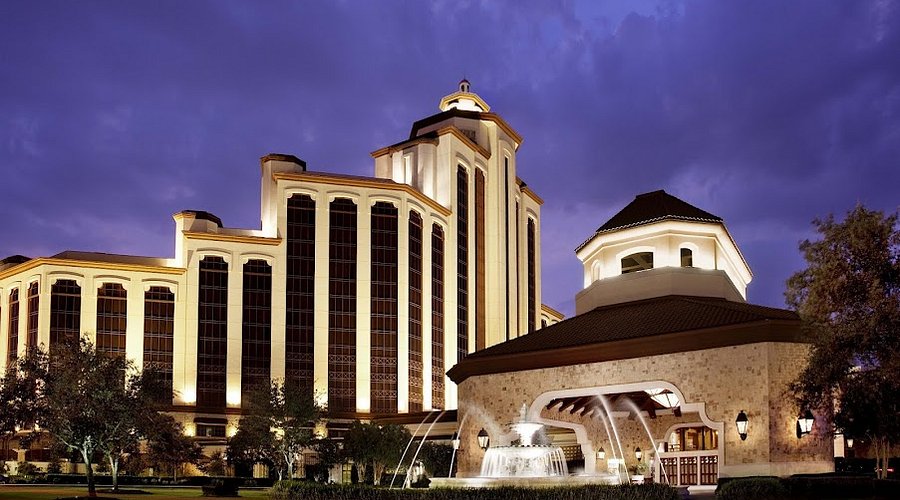
Lake Charles resort casino with hotel rooms, golf, spa, pools, dining, entertainment, and a large Vegas-style gaming floor.
Visit Website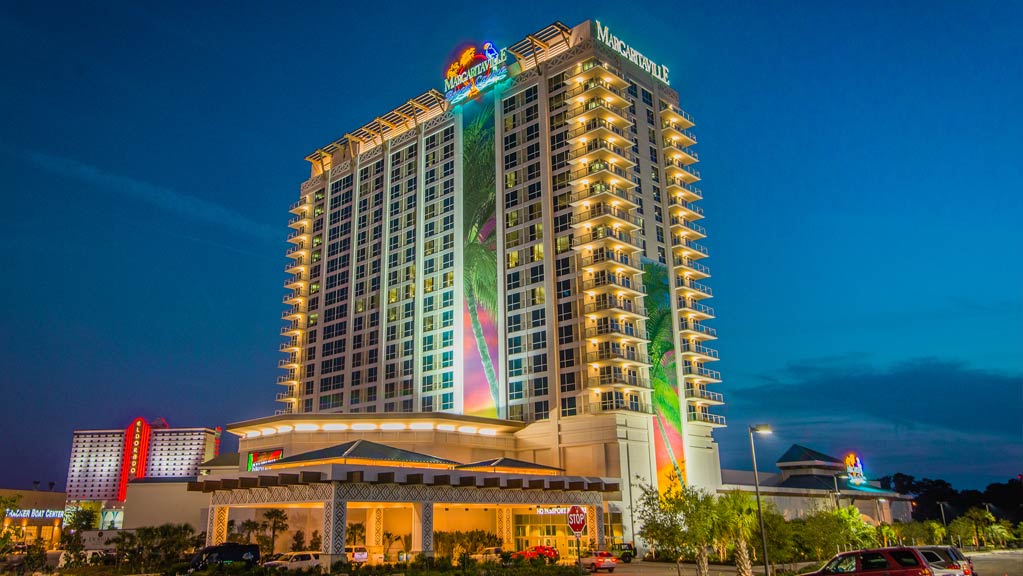
Bossier City resort casino with hotel rooms, gaming, dining, entertainment, pool amenities, and Margaritaville-themed atmosphere.
Visit WebsiteAdditional major casino resorts, tribal casinos, casino hotels, racinos, sportsbooks, and destination gaming venues across the South Central region, O through W.
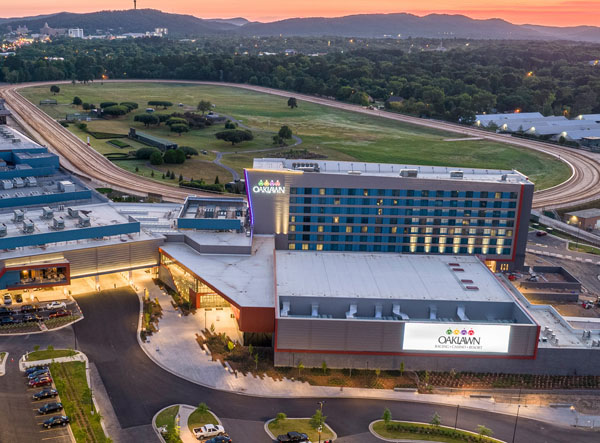
Historic Hot Springs racetrack and luxury resort with hotel, 24/7 smoke-free casino, spa, dining, and thoroughbred racing.
Visit Website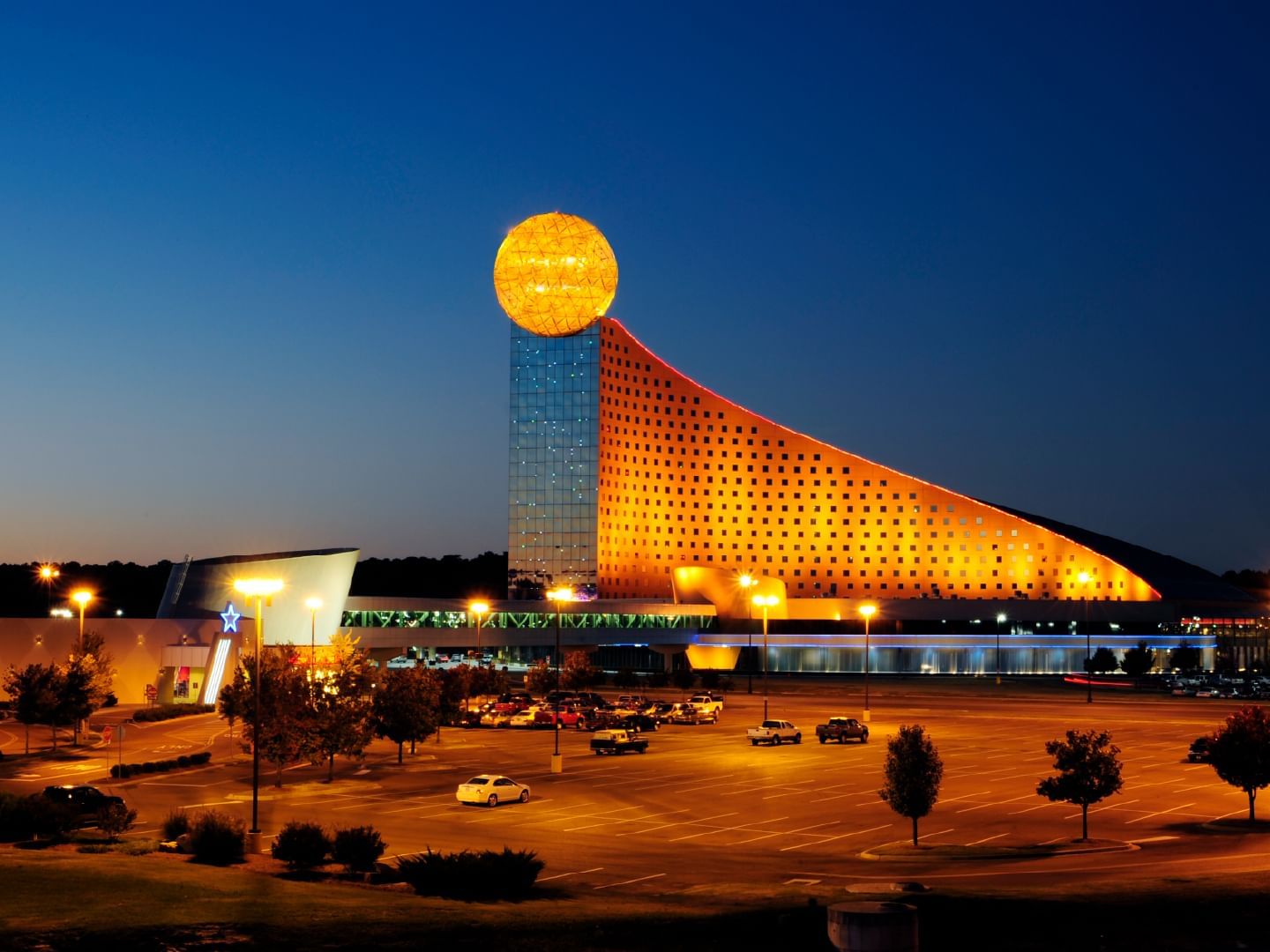
Choctaw tribal resort complex with Silver Star and Golden Moon casinos, hotel lodging, dining, golf, spa, and entertainment.
Visit Website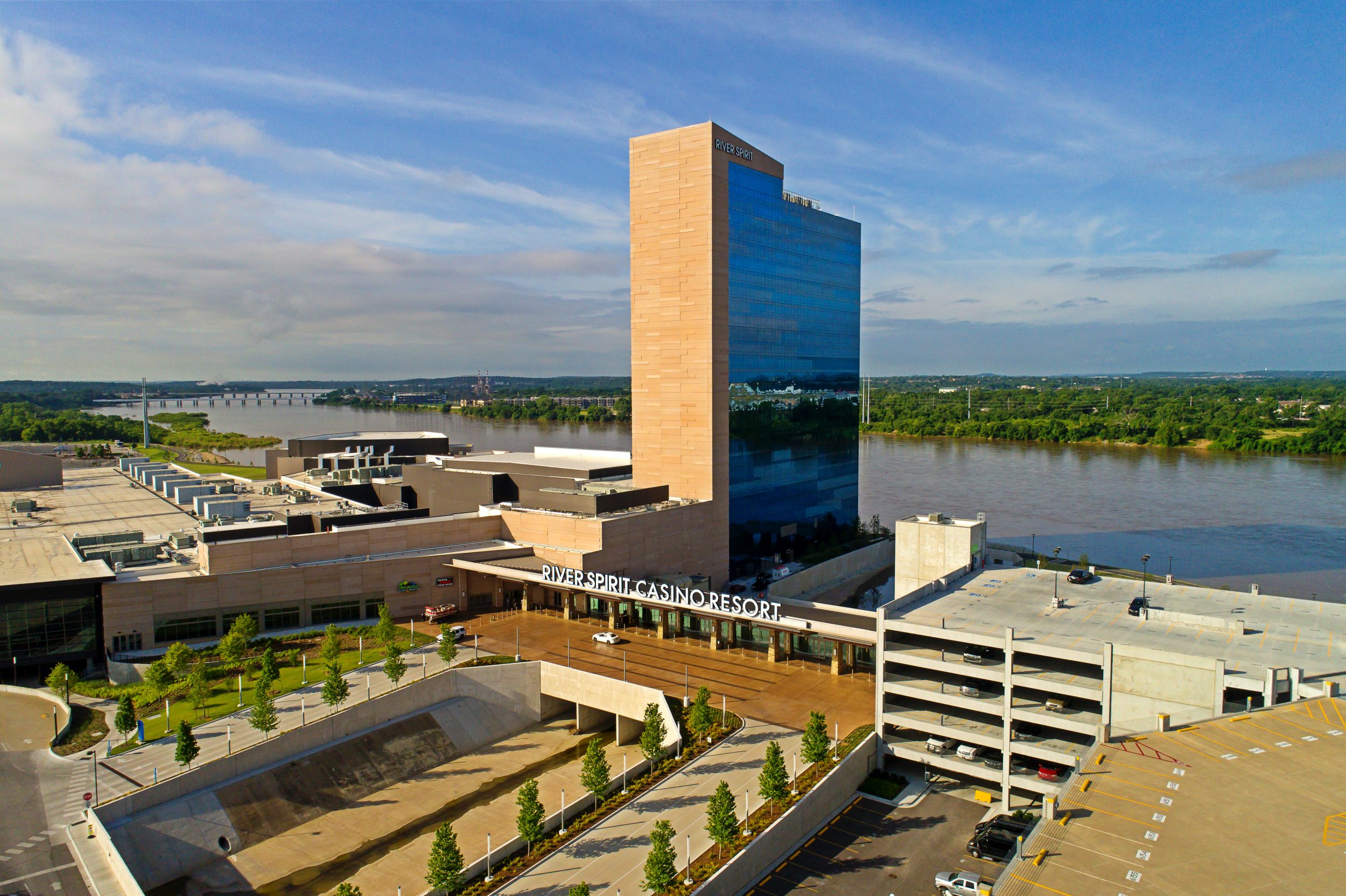
Tulsa riverfront casino resort with hotel rooms, gaming, restaurants, entertainment, spa, and Margaritaville resort amenities.
Visit Website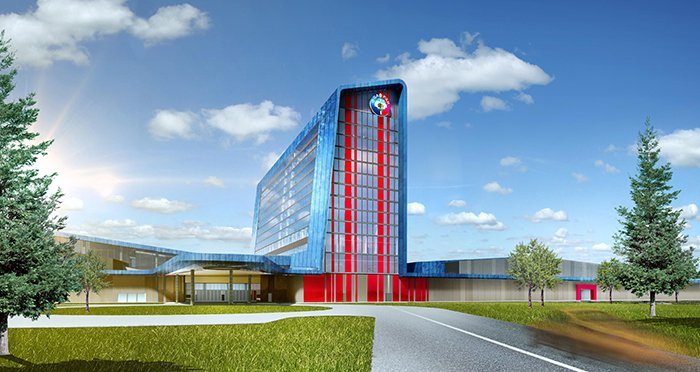
Pine Bluff casino destination with slots, table games, poker, dining, sportsbook-style amenities, and expanding resort development.
Visit Website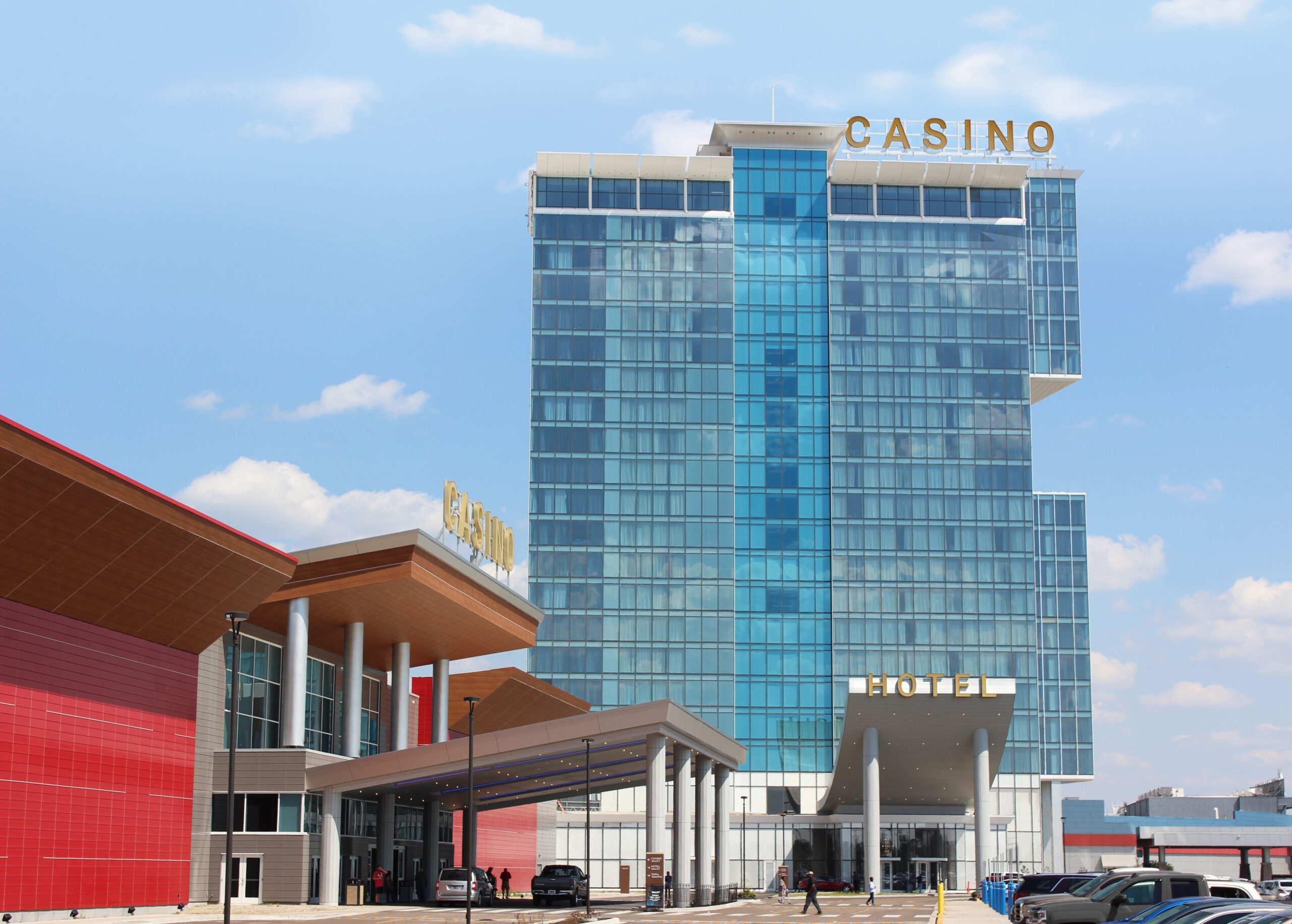
West Memphis casino hotel marketed as the Mid-South’s premier destination for gaming, dining, entertainment, and lodging.
Visit Website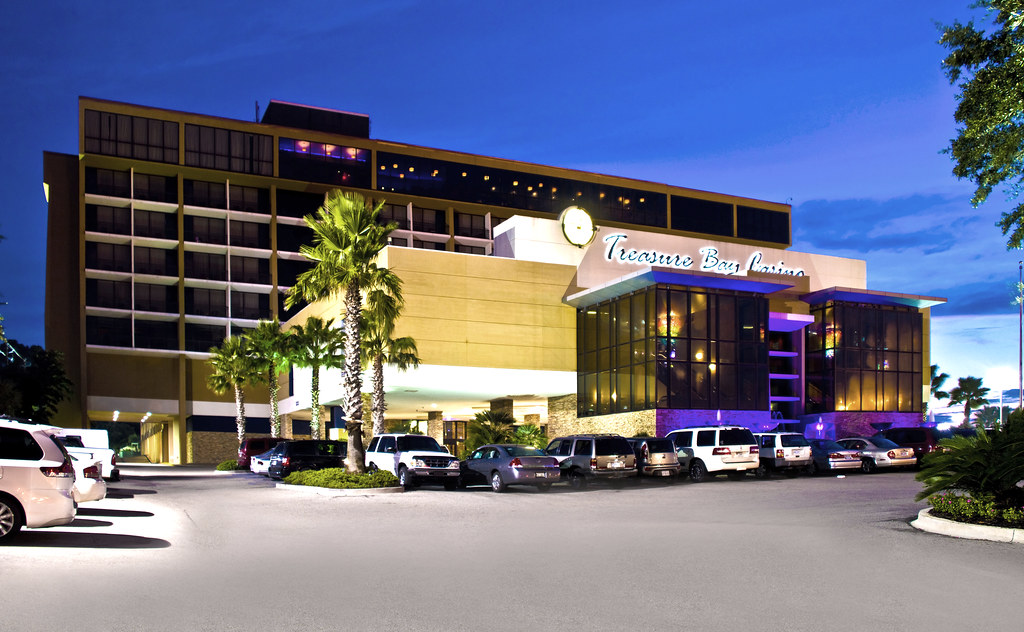
Biloxi beachside casino hotel with gaming, dining, hotel rooms, pool amenities, and Gulf Coast casino appeal.
Visit Website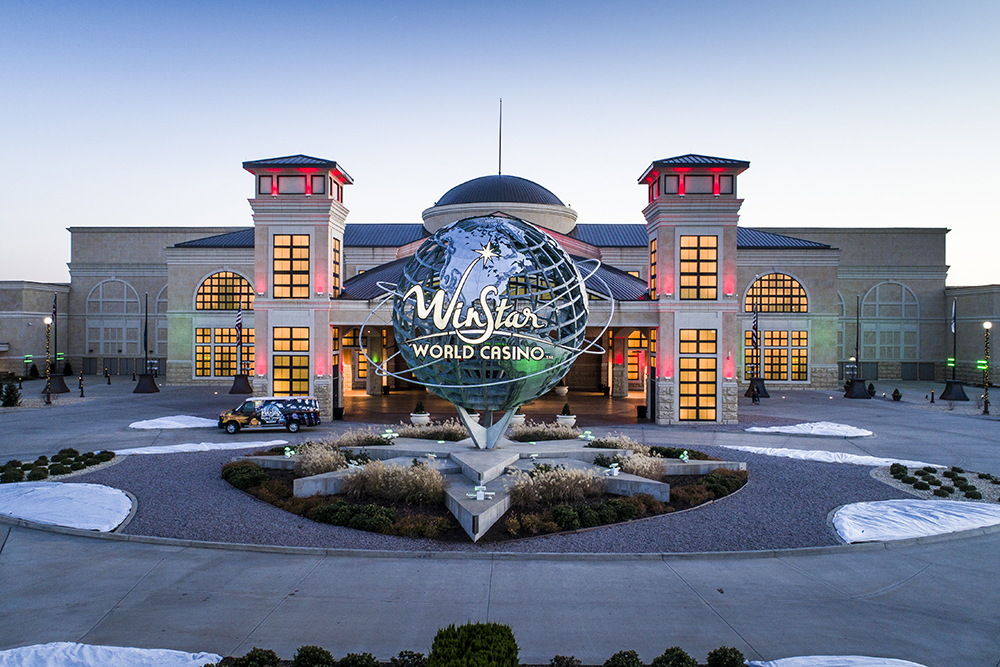
Massive Chickasaw Nation destination resort known as the world’s biggest casino, with hotel lodging, gaming, entertainment, golf, and dining.
Visit Website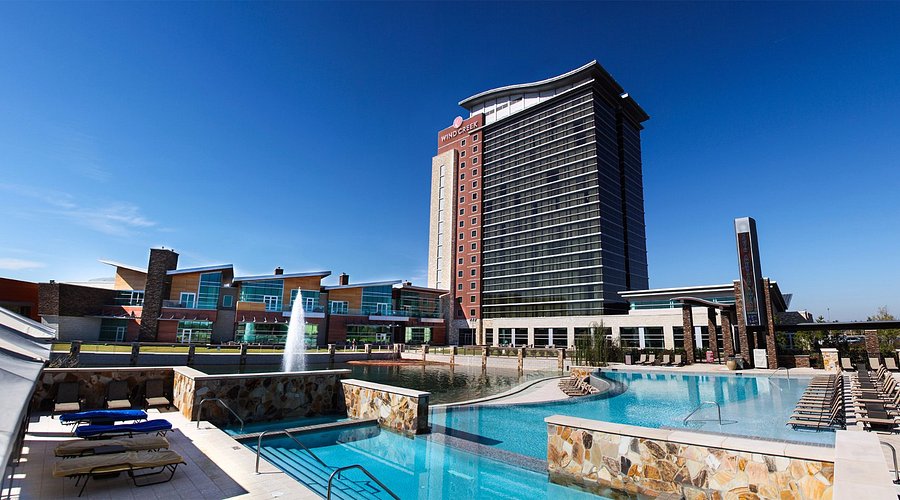
Alabama tribal casino hotel with electronic gaming, hotel lodging, dining, amphitheater entertainment, spa, and regional resort amenities.
Visit Website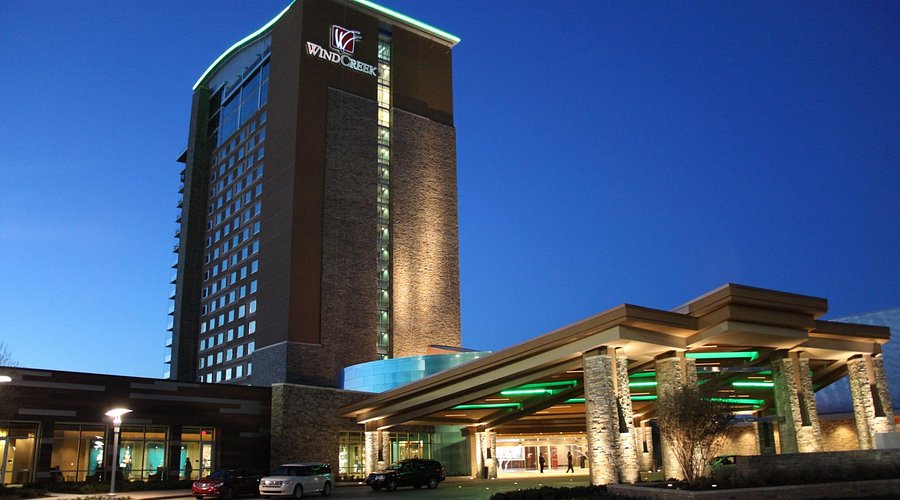
Riverfront Alabama tribal casino hotel with electronic gaming, dining, lodging, entertainment, spa amenities, and scenic Coosa River views.
Visit WebsiteSouth Central casino gaming is one of the most varied gambling regions in the United States. The region includes large tribal casino markets, riverboat and land-based casino traditions, racetrack-linked gaming, sportsbook activity, resort casinos, local gaming properties, and states where traditional casino gambling remains limited or unavailable.
For gaming purposes, the South Central region may include Oklahoma, Texas, Arkansas, Louisiana, Mississippi, Tennessee, and nearby travel corridors. Oklahoma is especially important because of its large tribal casino industry. Louisiana and Mississippi have long-standing casino traditions tied to riverboat, resort, and regional gaming. Arkansas has expanded through casino gaming and mobile sports betting. Texas remains a major potential market but continues to restrict full-scale casino gambling, while Tennessee is known more for online sports betting than for casino resorts.
The result is a regional casino landscape shaped by state borders. A traveler may find major tribal casino resorts in Oklahoma, commercial casino resorts in Louisiana or Mississippi, racetrack-linked gaming in Arkansas, limited gambling options in Texas, and sportsbook-only or lottery-based models in other nearby states. Visitors should always check current state rules before assuming that a specific form of casino gaming or betting is legal.
South Central gaming is shaped by drive-in travel, tribal sovereignty, river commerce, Gulf Coast tourism, racetrack history, local entertainment, and changing sports betting laws. Many casino trips are regional rather than national destination vacations. Guests may travel from Dallas-Fort Worth, Houston, Oklahoma City, Tulsa, Little Rock, Shreveport, Baton Rouge, New Orleans, Memphis, Jackson, Biloxi, or smaller regional communities.
The gaming experience may include slot machines, electronic bingo-style machines, video poker, table games, poker rooms at selected properties, sportsbooks where permitted, racetrack gaming, hotels, restaurants, RV parks, golf courses, concerts, event centers, loyalty programs, and resort-style amenities. Some properties are large destination resorts, while others are smaller local or highway-oriented casinos.
A defining feature of South Central gaming is the mix of tribal, commercial, racino, riverboat, and limited gaming models. Oklahoma’s casino market is primarily tribal and operates through tribal government gaming systems. Louisiana and Mississippi have commercial casino markets with riverboat, land-based, and resort-style roots. Arkansas combines casino gaming with racetrack-linked properties and mobile sports betting.
Texas is different. Although it is a large population state with strong gaming demand, full-scale Las Vegas-style casino gambling remains restricted. Some limited tribal gaming exists, but many Texas residents travel to Oklahoma, Louisiana, Arkansas, Nevada, or other states for broader casino options. Tennessee also differs because it has legal sports betting but does not have traditional casino resorts.
The South Central region benefits from large drive-in populations and strong regional travel patterns. Casino visitors may combine gaming with Gulf Coast vacations, lake trips, concerts, college sports weekends, riverfront tourism, RV travel, golf, hunting and fishing trips, food tourism, or visits to historic downtown districts.
The region also offers many different casino styles. Oklahoma has large tribal casino resorts and smaller tribal gaming facilities. Louisiana offers riverboat, land-based, tribal, racetrack, and sportsbook-connected gaming. Mississippi has Gulf Coast and river casino markets. Arkansas has casino resorts connected to racetrack history and newer sports betting growth.
South Central casinos compete across state lines. Oklahoma casinos attract visitors from Texas and surrounding states. Louisiana and Mississippi casinos compete for Gulf Coast, riverfront, and regional drive-in travelers. Arkansas properties compete with Oklahoma, Mississippi, Louisiana, Missouri, and Tennessee-area entertainment options.
The region also faces challenges from uneven state laws, changing sports betting rules, online wagering, aging properties, storm and flood risks, labor costs, smoking debates, and the need for continued reinvestment. Casinos that refresh hotel rooms, restaurants, gaming floors, event spaces, technology, and loyalty programs may have an advantage over older or less convenient properties.
South Central casino visitors should choose properties based on the type of trip they want. Some casinos are best for overnight resort stays, concerts, golf, restaurants, RV travel, and large gaming floors. Others are better for quick day trips, local slot play, sportsbook visits, casual dining, racetrack-linked entertainment, or regional road trips.
Before visiting, guests should compare hotel rates, resort fees, parking, dining options, entertainment calendars, table-game availability, poker room status, sportsbook access, smoking policy, loyalty rewards, driving distance, state gambling rules, and whether the property is best suited for a day trip or overnight stay.
Sports betting availability varies widely across the South Central region. Louisiana has licensed sportsbook platforms. Arkansas has expanded mobile sports betting, including national sportsbook participation. Tennessee operates as a sports betting market without traditional casino resorts. Oklahoma and Texas remain more limited or legally unsettled for broad sportsbook and online casino expansion.
Online casino gaming remains much more limited than sports betting across the United States. As of June 2026, real-money online casino play is legal in only a small number of states, so visitors should not assume that online slots, live dealer games, or internet casino platforms are legal simply because a state permits sports betting.
South Central casinos can support employment, tourism, hotels, restaurants, construction, entertainment, tribal government services, state and local tax revenue, transportation, suppliers, and regional development. In some rural areas, tribal casino resorts and regional casino properties are major hospitality employers and important anchors for visitor spending.
Casino development, however, is not a complete economic solution by itself. Communities may still need investment in housing, roads, public safety, workforce training, small businesses, downtown activity, flood protection, storm recovery, non-gaming tourism, and long-term economic diversification. A balanced regional economy should not depend entirely on gambling revenue.
South Central casino gaming should be treated as entertainment, not as a dependable way to make money. Visitors should set a gambling budget before they play, avoid gambling with money needed for bills or essentials, take breaks, and remember that casino games are designed with mathematical odds that generally favor the house over time.
Warning signs of problem gambling may include chasing losses, borrowing money to bet, hiding gambling activity, gambling longer than planned, using credit to continue playing, or feeling anxious when trying to stop. Anyone experiencing these warning signs should consider responsible gambling tools, self-exclusion programs, counseling services, or trusted support from family, friends, or professionals.
Overall, South Central casinos offer a broad and uneven regional gaming experience. The region’s strengths include Oklahoma’s major tribal gaming market, Louisiana and Mississippi’s casino traditions, Arkansas’ growing casino and sports betting market, Gulf Coast tourism, drive-in accessibility, and a wide range of resort and local casino styles. Its concerns include gambling addiction risk, confusing state-by-state rules, cross-border competition, storm and flood exposure, aging facilities, and the need for continued reinvestment. For informed visitors using realistic expectations and responsible limits, South Central casino gaming can provide a diverse mix of entertainment, travel, regional culture, and casino resort activity.